
Yoga for hair growth and stress reduction
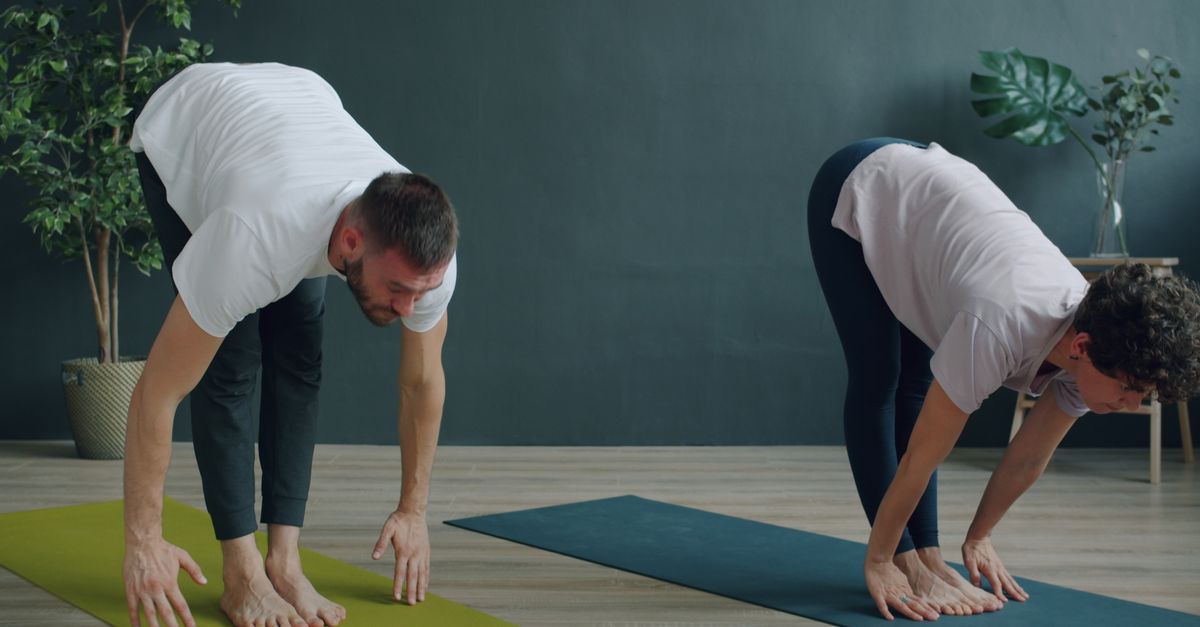
Discover how yoga can boost hair growth and reduce stress.
In recent years, the intersection of yoga, wellness, and beauty has garnered significant attention. While many have turned to various cosmetic solutions for hair growth, emerging research has begun to highlight the potential benefits of yoga as a natural method to enhance hair vitality. Simultaneously, stress remains a pervasive issue in modern life, often causing adverse effects on both mental health and physical appearance. This article explores how specific yoga techniques can promote hair growth while also serving as an effective means of stress reduction.
Exploring Yoga Techniques for Enhancing Hair Growth Naturally
Yoga has long been celebrated for its holistic benefits, and recent studies suggest it may also play a role in promoting hair growth. Certain poses, such as the downward-facing dog (Adho Mukha Svanasana) and the headstand (Sirsasana), facilitate improved blood circulation to the scalp. By increasing blood flow, these poses can enhance the delivery of essential nutrients and oxygen to hair follicles, potentially stimulating growth. Additionally, poses that involve inversion can help balance hormones, which is crucial, as hormonal imbalances can lead to hair thinning and loss.
Furthermore, breathing techniques known as pranayama are integral to yoga practices and are believed to support hair growth by reducing stress and anxiety levels. Techniques like alternate nostril breathing (Nadi Shodhana) can stimulate the parasympathetic nervous system, promoting relaxation. This relaxation can enhance the body's ability to absorb nutrients efficiently, fostering an environment conducive to healthy hair. By incorporating these practices into a regular routine, individuals may experience not only improved hair health but also a greater sense of balance.
It's important to note that while yoga can be a beneficial component of a hair care regimen, it should not be seen as a standalone solution. A well-rounded approach that combines yoga with a balanced diet, hydration, and proper hair care products is essential for optimal results. Consulting with healthcare professionals and incorporating expert guidance can further enhance the effectiveness of these traditional practices.
How Yoga Helps in Stress Reduction and Overall Well-being
Stress has become a ubiquitous part of modern life, contributing to various health issues, including hair loss. Engaging in yoga can serve as a powerful antidote to stress, promoting an overall sense of well-being. Yoga encourages mindfulness, which allows individuals to become more aware of their thoughts and feelings. This practice can lead to decreased levels of cortisol—the hormone associated with stress—which has numerous positive implications for mental and physical health.
Moreover, many yoga poses are designed to relieve tension held in the body. For example, poses such as child’s pose (Balasana) and corpse pose (Savasana) help to release tightness in the muscles and promote relaxation. This physical release can lead to a mental release, creating a soothing cycle that further alleviates stress. Regularly practicing these poses can help individuals cultivate resilience against daily stressors, which can, in turn, benefit overall health and well-being.
Lastly, participating in yoga classes often fosters a sense of community and support among practitioners. Sharing experiences and challenges can further enhance emotional resilience, creating a network of support that is beneficial for stress management. By integrating yoga into daily routines, individuals may not only find relief from stress but also improve their overall quality of life, leading to a more harmonious balance between mind and body.
In conclusion, yoga emerges as a multifaceted tool for enhancing hair growth while simultaneously addressing the pervasive issue of stress. By incorporating specific poses and breathing techniques, individuals can potentially see improvements in their hair health and overall well-being. However, it's essential to approach these practices with a comprehensive mindset, considering nutrition and lifestyle factors as well. As always, consulting healthcare professionals for personalized advice is recommended to ensure a balanced and effective approach to health and wellness.