
Yemen's Healthcare Crisis Pushes Patients to Alternative Remedies
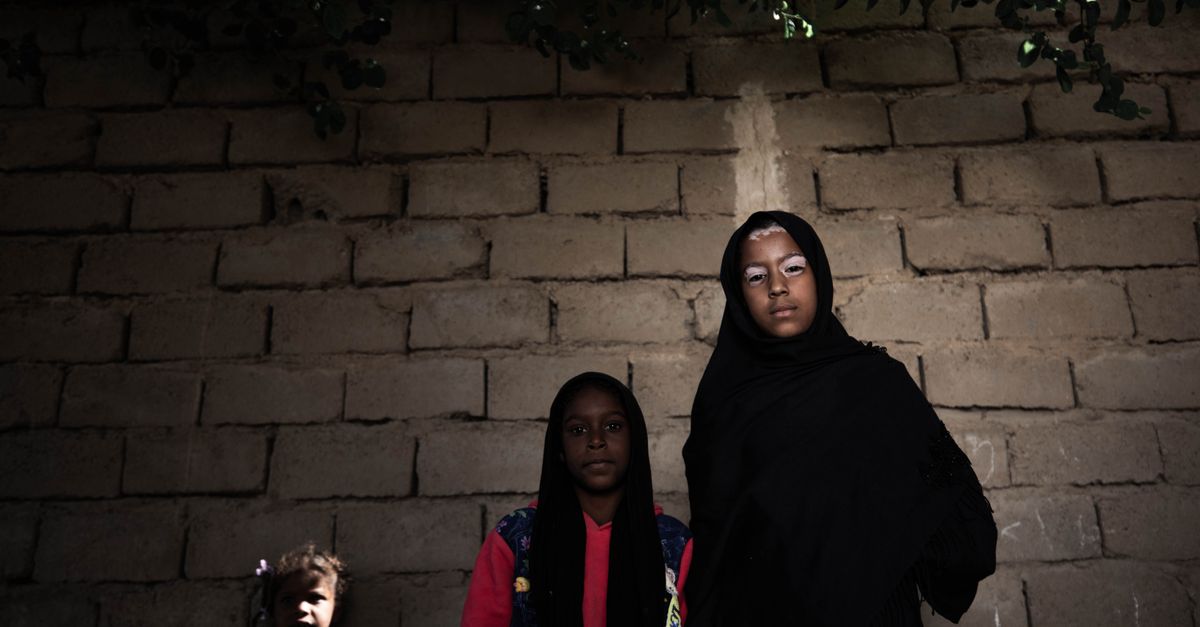
Yemen's healthcare system is crumbling, leaving many to turn to traditional and alternative medicine.
Yemen's healthcare system is on the brink of collapse, forcing a growing number of citizens to abandon conventional medical treatments and seek alternative remedies. The ongoing conflict, now in its ninth year, has devastated the country's infrastructure, leaving hospitals and clinics unable to cope with the rising demand for medical care.
Struggling Infrastructure and Medical Shortages
The war has severely damaged Yemen's medical facilities, with many hospitals struggling to operate due to a lack of resources and staff. Essential medical supplies are scarce, and the few available are often too expensive for the average Yemeni. This dire situation has left many patients, especially those with chronic illnesses, with little choice but to seek out alternative treatments.
Traditional remedies, such as herbal medicine and spiritual healing, have seen a resurgence in popularity as they become the only accessible option for many. Local healers are reporting increased demand for their services, offering treatments that are often steeped in cultural traditions and perceived as more affordable than conventional medicine.
Impact on Vulnerable Populations
The healthcare crisis is disproportionately affecting Yemen's most vulnerable populations, including children, pregnant women, and the elderly. Malnutrition and preventable diseases are rampant, exacerbated by the lack of proper medical care. Humanitarian organizations have been stepping in to provide aid, but their efforts are frequently hampered by the ongoing conflict and logistical challenges.
In rural areas, where access to healthcare was already limited before the conflict, the situation is even more dire. Many communities rely entirely on mobile clinics run by non-governmental organizations, which struggle to meet the overwhelming needs of the population.
International Response and Aid Efforts
The international community has been called upon to provide assistance to Yemen, but aid has been slow and often insufficient. Funding shortages and bureaucratic hurdles have delayed the delivery of essential supplies and support. Despite these challenges, some international organizations continue to operate in the region, trying to fill the gaps left by the failing healthcare system.
Efforts to broker peace and stabilize the region are ongoing, but until a resolution is reached, Yemen's healthcare crisis is likely to persist. The reliance on alternative medicine is a testament to the resilience of the Yemeni people, yet it highlights the urgent need for a comprehensive and sustainable solution to the nation's healthcare woes.