
Women's Health in India's Longevity Boom: A Neglected Priority
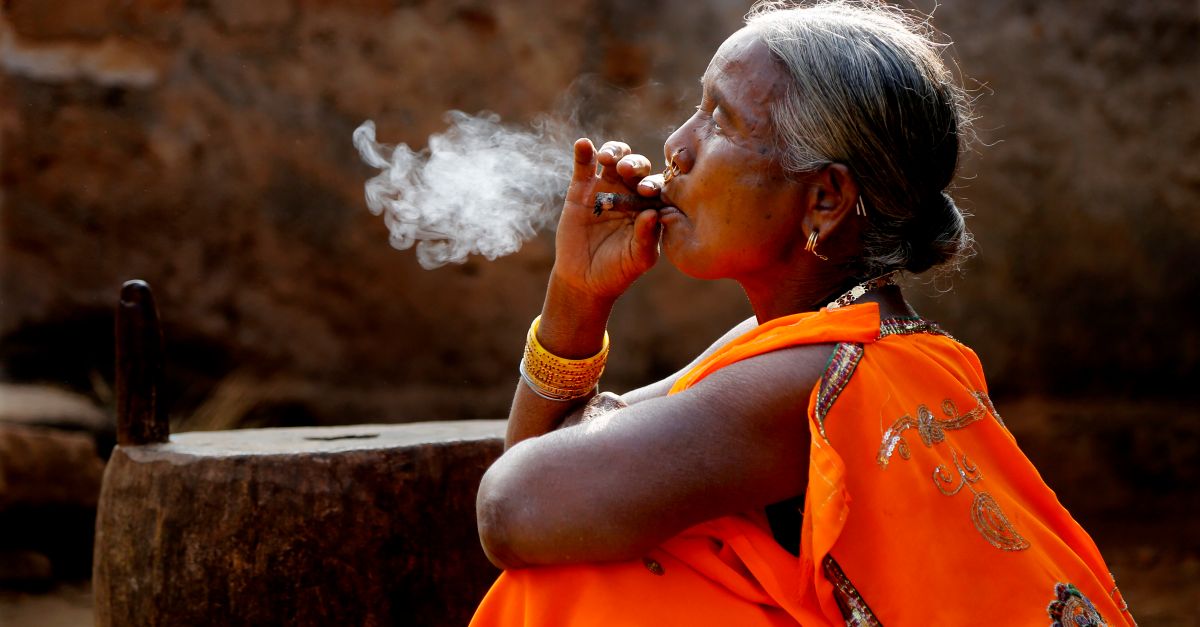
India's rising life expectancy highlights the neglect of women's health, urging a focus on gender-specific healthcare needs.
As life expectancy in India continues to rise, a concerning gap in healthcare is becoming more apparent: the insufficient attention to women's health needs. This oversight could undermine the benefits of increased longevity, particularly for women who make up nearly half of the population.
Rising Life Expectancy, Unequal Health Outcomes
India has seen a significant increase in life expectancy over the past few decades. According to the World Bank, the average life expectancy in India has risen from 49 years in 1970 to over 69 years today. However, this positive trend masks a critical issue: the disparity in health outcomes between men and women.
While women generally live longer than men, they often experience more health problems in their later years. Studies have shown that women are more likely to suffer from chronic diseases such as osteoporosis, arthritis, and depression. These conditions are often exacerbated by social and economic factors that disproportionately affect women, such as lower income levels and restricted access to healthcare services.
The Need for Gender-Specific Healthcare
Experts argue that healthcare policies in India need to address the specific needs of women to ensure that they can enjoy not just longer lives, but healthier ones. This requires a paradigm shift in how healthcare services are designed and delivered, with a focus on preventive care and early intervention.
Dr. Anjali Malhotra, a leading geriatrician, emphasizes the importance of screening programs tailored for women. "Regular screenings for breast and cervical cancer, along with bone density tests, should be a standard part of healthcare for aging women," she states. Such initiatives could significantly reduce the burden of disease and improve quality of life for older women.
Policy Changes and Social Support
In addition to healthcare services, social support systems play a crucial role in enhancing the quality of life for elderly women. Community-based programs that provide mental health support, social engagement, and financial literacy can help address some of the socio-economic challenges faced by older women.
Government policies must also evolve to include gender-sensitive approaches. The National Health Policy of India, revised in 2017, aims to improve healthcare access for all, but it lacks specific measures to cater to the unique needs of women. Advocates are calling for the inclusion of women-centric health policies that prioritize maternal health, reproductive rights, and chronic disease management.
A Call to Action
The ongoing longevity boom in India presents an opportunity to rethink healthcare strategies with a gender lens. Addressing the specific health needs of women is not just a matter of equity but also a necessity for sustainable development. As India's population continues to age, ensuring that women are not treated as an afterthought in healthcare planning is crucial for the nation's overall health and prosperity.