
Women and Hypertension: Gender-Specific Risks
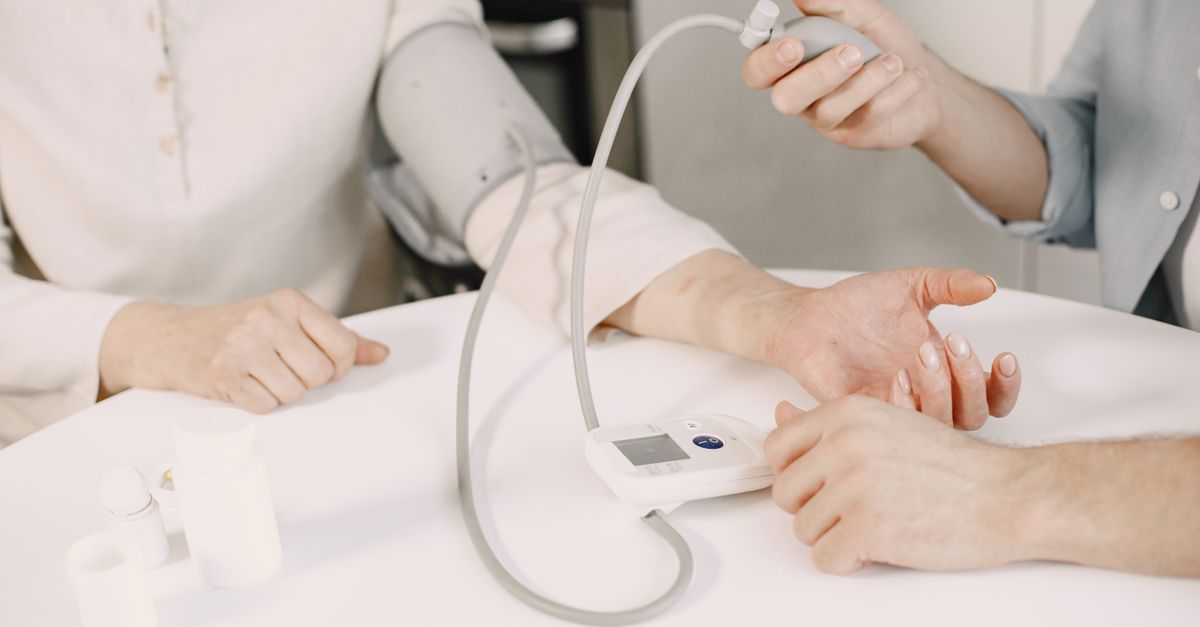
Women face unique hypertension risks that require attention.
Hypertension, commonly known as high blood pressure, is a growing concern worldwide and is often thought of as a "silent killer" due to its asymptomatic nature. While hypertension affects both men and women, emerging research indicates that women experience unique risks and consequences associated with this condition. Understanding the gender-specific factors that contribute to hypertension is crucial for developing effective prevention and management strategies tailored to women. This article delves into the unique risks faced by women concerning hypertension and the factors that elevate their vulnerability to this prevalent health issue.
Understanding Hypertension Risks Unique to Women Today
Hypertension in women often presents differently than in men, influenced by biological, social, and psychological factors. For instance, hormonal changes throughout a woman’s life—like those related to menstruation, pregnancy, and menopause—can significantly impact blood pressure levels. During pregnancy, women may experience gestational hypertension or preeclampsia, conditions that can lead to long-term cardiovascular complications. Moreover, post-menopausal women are at a heightened risk of developing hypertension, attributed in part to the decrease in estrogen levels, which previously offered some protective cardiovascular benefits.
Social determinants of health also play a critical role in hypertension risk among women. Factors such as access to healthcare, socioeconomic status, and stress can elevate blood pressure levels. Women often juggle multiple roles, including career and family responsibilities, which can lead to increased stress and anxiety, further exacerbating hypertension. Furthermore, societal norms can sometimes discourage women from prioritizing their health, making them less likely to seek regular check-ups or adhere to treatment plans.
Recent studies have shed light on the differences in hypertension management between genders. Women are often undertreated compared to men, despite evidence indicating that they may respond differently to certain antihypertensive medications. This discrepancy in treatment highlights the necessity for healthcare providers to consider gender-specific factors when diagnosing and treating hypertension in women, ensuring that they receive care that is both equitable and effective.
Factors Contributing to Women's Vulnerability to Hypertension
Several factors contribute to women's increased vulnerability to hypertension, starting with biological differences. Conditions such as polycystic ovary syndrome (PCOS) and autoimmune diseases, which are more prevalent in women, have been associated with higher rates of hypertension. Additionally, research suggests that women may experience more pronounced blood pressure increases during stressful situations compared to men, potentially due to differences in how stress hormones affect the cardiovascular system.
Lifestyle choices also play a critical role in the hypertension landscape for women. Factors such as diet, physical activity, and smoking can significantly influence blood pressure levels. Women, particularly in urban areas, may have limited access to healthy foods, contributing to overweight and obesity—both risk factors for hypertension. Moreover, the increasing prevalence of sedentary lifestyles, exacerbated by the rise of technology, can lead to further health issues, making regular exercise and healthy dietary choices essential for managing blood pressure.
Lastly, the impact of mental health cannot be overlooked. Women are statistically more likely to experience anxiety and depression, both of which can contribute to increased blood pressure. The interplay between mental health and hypertension underscores the importance of comprehensive healthcare approaches that address both physical and emotional well-being. By recognizing these interconnected factors, healthcare providers can better support women in managing their hypertension and overall health.
Recognizing the unique risks associated with hypertension in women is essential for fostering better health outcomes. By understanding the biological, social, and lifestyle factors that contribute to this condition, healthcare providers can develop more effective, gender-specific strategies for prevention and management. As awareness of women's health issues continues to grow, it is crucial for both individuals and healthcare systems to prioritize education and access to resources, ultimately leading to healthier lives for women everywhere.