
Women and Anxiety Disorders
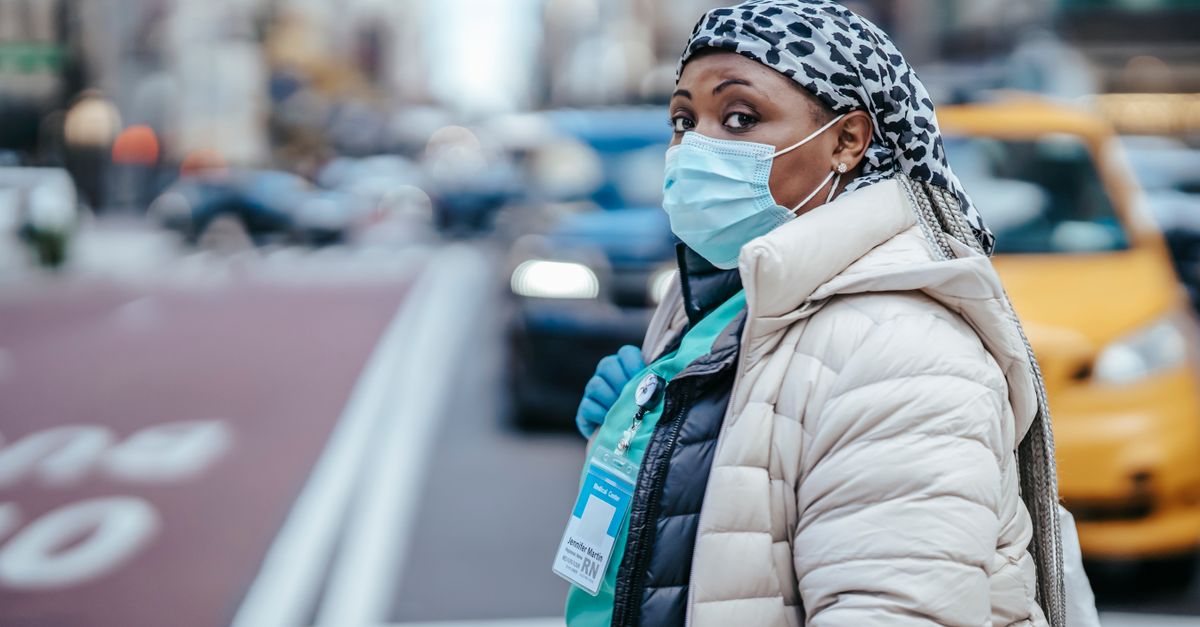
Women often face unique challenges with anxiety disorders.
Anxiety disorders serve as a significant public health concern globally, affecting millions of individuals each year. Among these individuals, women are disproportionately impacted, with studies indicating that they are more likely to experience anxiety disorders compared to their male counterparts. Understanding the nuances of anxiety disorders in women is crucial for fostering awareness, promoting mental well-being, and informing appropriate healthcare responses.
Understanding the Prevalence of Anxiety Disorders in Women
Research shows that anxiety disorders are among the most common mental health issues affecting women, with estimates suggesting that approximately 23% of women may experience an anxiety disorder in their lifetime. Various studies indicate that hormonal fluctuations, particularly during menstruation, pregnancy, and menopause, can contribute to higher susceptibility to anxiety in women. These variations can exacerbate pre-existing anxiety symptoms and complicate diagnosis and treatment.
Furthermore, societal factors play a significant role in the prevalence of anxiety disorders among women. Women often face unique stressors, such as balancing family and work responsibilities, societal expectations, and experiences of discrimination or violence. These factors can contribute to chronic stress, which is a known trigger for anxiety disorders. In contrast, men may be more likely to exhibit anxiety through externalizing behaviors, leading to different patterns of diagnosis and treatment.
The biopsychosocial model underscores the multifaceted nature of anxiety disorders in women. Biological factors, including genetics and neurochemistry, interact with psychological factors such as personality traits and coping mechanisms, as well as social factors like support systems and life events. This model emphasizes the need for a comprehensive understanding of anxiety disorders, particularly in the context of women's health.
Exploring the Impact of Anxiety on Women's Health and Well-being
The effects of anxiety disorders extend beyond emotional distress; they significantly impact women's physical health and overall well-being. Chronic anxiety can lead to a range of physical health issues, including cardiovascular problems, gastrointestinal disorders, and weakened immune function. Research indicates that women with anxiety disorders may experience higher rates of chronic illnesses, which can compound their mental health challenges.
Moreover, anxiety disorders can disrupt daily functioning, affecting women's ability to engage in work, relationships, and social activities. This disruption can lead to isolation, decreased productivity, and overall diminished quality of life. Women may also face stigma surrounding mental health, which can discourage them from seeking help and exacerbate feelings of inadequacy or shame.
Importantly, anxiety can also influence reproductive health, as women with anxiety disorders may experience menstrual irregularities, complications during pregnancy, or difficulties with infertility. Mental health and reproductive health are intrinsically linked, highlighting the need for integrated care approaches that address both aspects. Acknowledging these intersections is vital for developing effective treatment strategies tailored to women's unique experiences with anxiety.
As the conversation around mental health continues to evolve, it is essential to recognize the specific challenges faced by women regarding anxiety disorders. Greater awareness, education, and advocacy are necessary to ensure that women's mental health is prioritized in research and healthcare practices. By fostering an environment that encourages open dialogue and access to resources, we can work toward a future where women can navigate anxiety with the support and understanding they deserve.