
Why Women's Healthcare in India Demands Urgent Attention
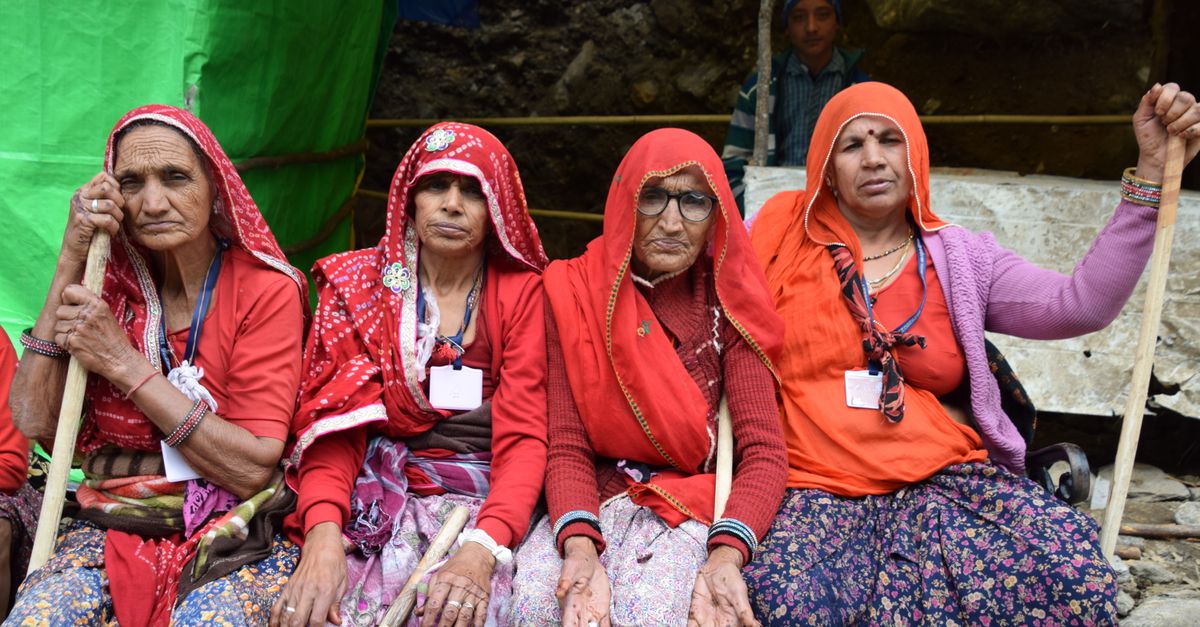
Women's healthcare in India faces significant challenges. Addressing these requires urgent attention and a national conversation.
In India, women's healthcare remains a pressing issue that demands more than just fleeting attention. Despite advancements in medical technologies and healthcare infrastructure, the healthcare needs of women are often overshadowed by broader public health discussions. This oversight has significant implications for the health and well-being of nearly half the country's population.
The Stark Reality of Maternal Health
Maternal health is a key indicator of a nation's overall health system, yet India continues to grapple with high maternal mortality rates. According to a 2020 report by the World Health Organization, India accounted for 12% of the world's maternal deaths. Lack of access to quality prenatal and postnatal care, along with inadequate emergency obstetric services, contributes to these numbers.
The government has launched multiple initiatives, such as the Pradhan Mantri Surakshit Matritva Abhiyan, aiming to provide free antenatal check-ups. However, these programs often fall short due to insufficient resources and poor implementation. Rural areas, where healthcare facilities are sparse, are particularly affected, leaving many women without critical care during and after pregnancy.
Beyond Reproductive Health: Broader Healthcare Needs
While reproductive health garners some attention, other essential aspects of women's health, such as mental health and non-communicable diseases, remain under-discussed. Studies indicate that women in India are more prone to depression and anxiety, yet mental health services are grossly underfunded. Additionally, cardiovascular diseases, increasingly prevalent among women, often go undiagnosed and untreated.
These issues are compounded by societal norms that prioritize men's health over women's. The cultural stigma around discussing women's health issues, particularly mental health, deters many from seeking the care they need. This silence must be broken to ensure comprehensive healthcare for women.
The Role of Education and Awareness
Education and awareness play critical roles in transforming women's healthcare in India. Educating women about their health rights and available medical services can empower them to seek timely care. However, a significant portion of the female population remains unaware of these rights, primarily due to low literacy rates and cultural barriers.
Efforts to improve women's healthcare must include community-based education programs that engage local leaders and health workers. Successful programs in states like Kerala and Tamil Nadu demonstrate the impact of integrating educational initiatives with healthcare services, resulting in improved health outcomes.
The Need for Policy and Infrastructure Changes
Systemic changes are essential for improving women's healthcare. Policymakers must prioritize funding and resources towards women's health services and ensure that programs are effectively implemented. This includes increasing the number of trained healthcare professionals in rural areas and enhancing the capacity of existing health facilities.
Moreover, policies should address the social determinants of health, including poverty, education, and gender equality. Initiatives that empower women economically and socially can have a profound impact on their health outcomes. For instance, microfinance programs and female education initiatives have been shown to improve health metrics among women.
Looking Forward: A National Health Agenda for Women
For India to make substantial progress in women's healthcare, it is imperative to initiate a comprehensive national conversation. Bringing together stakeholders from government, healthcare, and community organizations can drive policy changes and create sustainable healthcare solutions.
As Dr. Soumya Swaminathan, Chief Scientist at the WHO, once noted, "Addressing women's healthcare is not just about improving health outcomes but is a cornerstone for achieving sustainable development." With a concerted effort, India can pave the way for a healthier future for its women, ensuring that healthcare is not a privilege but a right.