
Why women in India face unique chronic disease risks
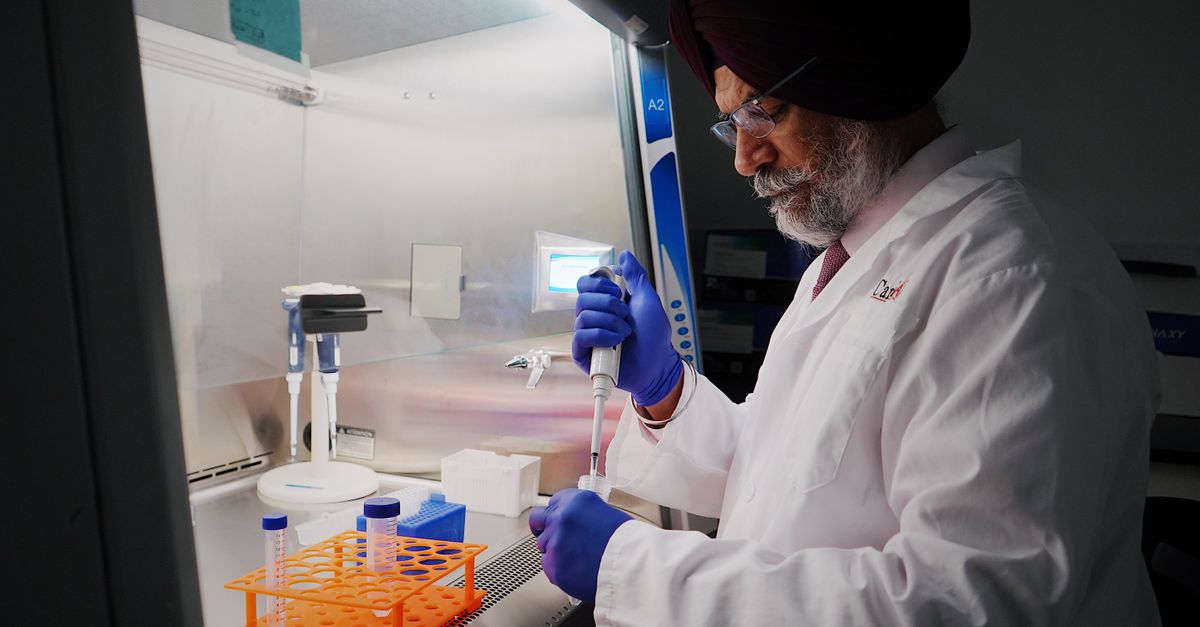
Women in India face distinct health challenges impacting chronic diseases.
Chronic diseases pose a significant and growing public health challenge in India, particularly for women. Various factors, including socioeconomic conditions and cultural norms, contribute to the heightened risks these women face. In a country where healthcare disparities are rampant, it is crucial to understand the unique challenges that hinder women's health and well-being, ultimately affecting their quality of life. This article delves into the socioeconomic and cultural factors that contribute to chronic disease risks among women in India.
Socioeconomic Factors Contributing to Chronic Disease in Women
Women in India often navigate a complex web of socioeconomic challenges that increase their vulnerability to chronic diseases. Economic disparities play a pivotal role, as many women are employed in low-paying, informal sectors that do not provide health benefits or security. According to a report by the International Labour Organization, women's labor force participation is significantly lower than men's, limiting their access to healthcare resources and information. This economic disadvantage can lead to delayed diagnosis and treatment of chronic illnesses, exacerbating health issues over time.
Moreover, education levels also impact women's health outcomes. Lower literacy rates among women, especially in rural areas, restrict their understanding of health information and preventive measures. A study published in the Journal of Global Health found that women with limited education are less likely to engage in health-seeking behaviors, which is essential for managing chronic conditions. This lack of awareness can contribute to increased morbidity and mortality rates for diseases such as diabetes and hypertension, which are becoming prevalent in the country.
Additionally, the burden of unpaid domestic work disproportionately falls on women, affecting their time and energy for self-care and health management. The World Health Organization notes that women spend significantly more hours on responsibilities related to child-rearing and household duties compared to men. This imbalance can lead to stress, poor nutrition, and minimal physical activity, all of which are risk factors for chronic diseases. Therefore, addressing these socioeconomic barriers is essential for improving health outcomes among women in India.
The Impact of Cultural Norms on Women's Health in India
Cultural norms in India often dictate women's roles and responsibilities, which can adversely affect their health. Traditional gender roles frequently prioritize family needs over personal health, leading women to neglect their well-being. In many communities, the expectation is that women should be caretakers first, often at the expense of their health. This cultural pressure can result in women ignoring symptoms of chronic diseases until they become more severe, leading to worse health outcomes.
Moreover, stigma surrounding certain health conditions also poses a challenge. For instance, mental health issues are often viewed with skepticism, and women may refrain from seeking help due to fear of societal judgment. According to research published in the Indian Journal of Psychiatry, women with mental health disorders are less likely to receive treatment compared to their male counterparts because of societal attitudes. This stigma can perpetuate chronic conditions and ultimately affect women's overall health.
Additionally, access to healthcare is often influenced by cultural beliefs and practices. Many women may rely on traditional medicine or family remedies rather than seeking professional medical advice, which can delay critical interventions for chronic illnesses. The intertwining of cultural practices with healthcare can lead to gaps in understanding and managing diseases effectively. Addressing these cultural barriers through awareness and education is vital to improving health outcomes for women in India.
In conclusion, women in India face unique chronic disease risks largely due to socioeconomic factors and cultural norms that persist in society. The interplay between economic challenges, educational disparities, and traditional gender roles creates an environment where women's health is often compromised. Addressing these issues requires a multi-faceted approach, including policy changes, community education, and efforts to reduce stigma around health topics. By focusing on these critical areas, we can pave the way for better health outcomes for women across India, ultimately enhancing their quality of life and well-being.