
Why Voluntary Blood Donation is a Lifeline for Healthcare
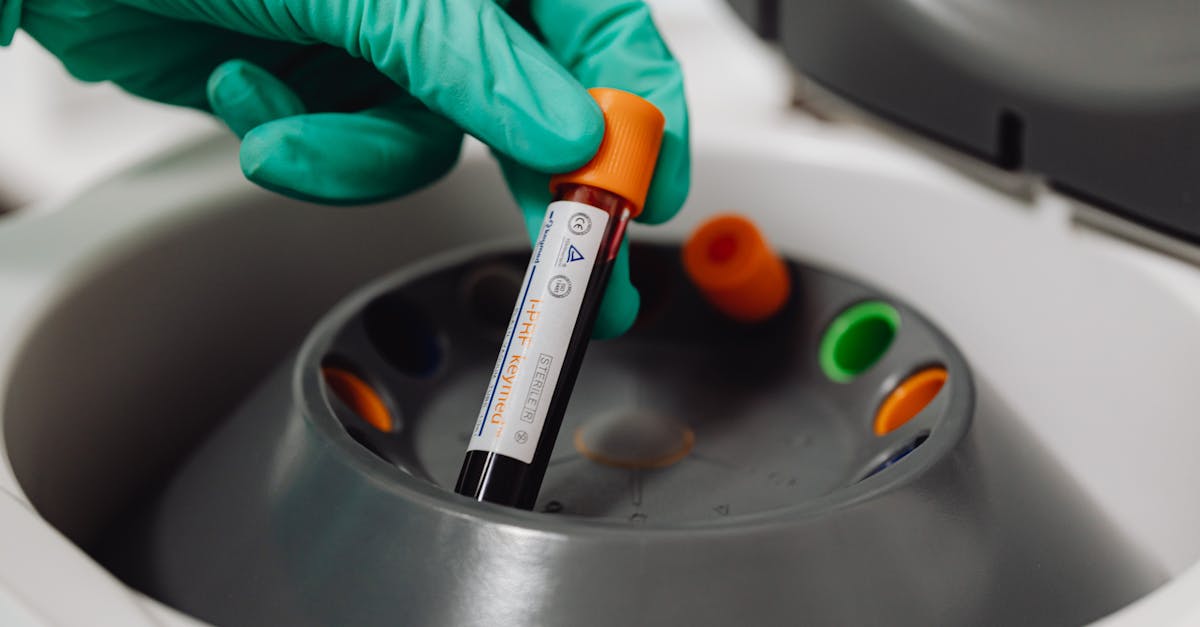
Voluntary blood donors are crucial to healthcare, providing over 112 million donations annually worldwide.
Every year, more than 112 million blood donations are collected globally, with voluntary donors contributing a significant portion of this life-saving resource. Their contributions are essential, underpinning healthcare systems worldwide and ensuring the availability of blood for emergencies, surgeries, and chronic illnesses. Yet, the critical role of these donors is often underappreciated, despite the profound impact they have on patient outcomes.
The Silent Heroes in Medical Emergencies
Voluntary blood donors are often the unsung heroes in medical emergencies. According to the World Health Organization, a significant percentage of blood donations are used to treat patients with medical conditions such as severe anemia, complications during childbirth, and traumatic injuries. For instance, in the United States alone, someone needs blood every two seconds, highlighting the constant demand for donations. Without a consistent supply from voluntary donors, hospitals and clinics would struggle to maintain adequate blood inventories, jeopardizing patient care.
Building a Reliable Blood Supply
One of the key advantages of voluntary blood donation is the reliability it brings to blood supply chains. Unlike paid donations, voluntary donations are often associated with higher safety standards. The WHO has long advocated for 100% voluntary, non-remunerated blood donation as a means to ensure the safest and most sustainable blood supply. This approach not only reduces the risk of transmitting infectious diseases but also fosters a culture of altruism and community support.
Addressing Seasonal Shortages
Healthcare facilities often face seasonal shortages, particularly during holidays when regular donors might be unavailable. Voluntary donors play a crucial role in mitigating these shortages. Blood banks and organizations like the American Red Cross and NHS Blood and Transplant in the UK rely heavily on voluntary donors to maintain blood stocks during critical periods. Campaigns to encourage donations during these times are vital, yet they also underscore the importance of fostering a year-round commitment to donation.
Donor Motivation and Education
Understanding what motivates individuals to become blood donors can help tailor campaigns to increase donor turnout. Research suggests that personal experiences, such as knowing someone who has benefitted from a blood transfusion, can significantly influence one's decision to donate. Educational efforts that emphasize the impact of a single donation can also be compelling. For instance, a single donation can save up to three lives, offering a powerful incentive for potential donors.
Future Strategies for Enhancing Donations
Looking ahead, there are several strategies that could enhance voluntary blood donations. These include increasing outreach through digital platforms, leveraging social media to share donor stories, and developing mobile donation sites to reach underserved areas. Additionally, advancements in blood storage and transfusion technology might also reduce wastage and improve the efficiency of blood use, thereby amplifying the impact of each donation.
Ultimately, the lifeline provided by voluntary blood donors cannot be overstated. As healthcare continues to advance, ensuring a steady and safe blood supply will remain a cornerstone of medical practice. Encouraging more individuals to join the ranks of these silent heroes could transform healthcare outcomes on a global scale.