
Why Network Hospitals Matter in a Health Insurance Plan
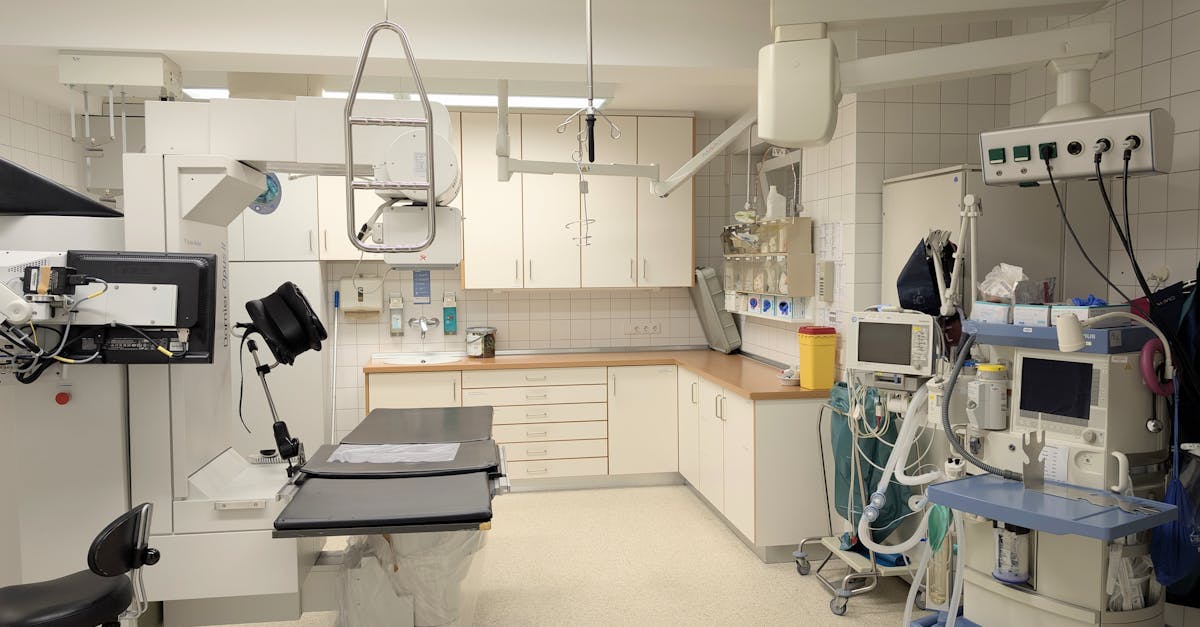
Network hospitals ensure quality care and cost efficiency in insurance.
In the intricate world of health insurance, the concept of network hospitals plays a pivotal role in determining the quality and cost-effectiveness of healthcare access for policyholders. Understanding the significance of these hospitals can empower individuals to make informed choices about their health coverage. Network hospitals are those that have established agreements with insurance providers, allowing patients to receive care at reduced rates or even at no out-of-pocket expense, depending on their plan. This article explores the essential functions that network hospitals serve within health insurance plans and highlights the benefits of choosing them for healthcare needs.
Understanding the Role of Network Hospitals in Health Insurance
Network hospitals are integral components of health insurance plans, operating under a system designed to enhance efficiency and affordability. When insurance providers form partnerships with specific hospitals, they negotiate predetermined rates for services rendered, which can significantly lower the financial burden on patients. These agreements often include discounts on procedures, medications, and other healthcare services, making it easier for individuals to receive necessary care without incurring excessive costs.
Moreover, network hospitals are typically vetted by insurance companies for their quality of care and facilities, ensuring that policyholders have access to reliable medical services. This vetting process includes evaluating factors such as patient outcomes, staff qualifications, and the availability of essential medical equipment. By choosing a network hospital, patients can have increased confidence in the level of care they will receive, knowing that these institutions meet established standards set forth by their insurance providers.
Additionally, network hospitals streamline administrative processes for both patients and insurers. When receiving care within the network, patients benefit from simplified claims processing, as the hospital often handles these on their behalf. This efficiency minimizes delays in treatment and reduces administrative burdens, allowing healthcare professionals to focus more on patient care rather than paperwork.
Benefits of Choosing Network Hospitals for Your Healthcare Needs
Opting for network hospitals offers substantial financial advantages, particularly in terms of out-of-pocket expenses. Patients who choose facilities within their insurance network are more likely to experience lower deductibles, co-payments, and overall treatment costs. In many cases, certain services may even be covered fully, alleviating financial stress and ensuring that individuals can seek necessary medical attention when required. This financial predictability can be particularly beneficial for families managing multiple healthcare needs.
In addition to financial savings, network hospitals often provide a broader range of specialized services and experienced healthcare professionals. These hospitals typically have established relationships with various specialists, which can lead to faster referrals and coordinated care. When patients require complex treatments or consultations, being associated with a network hospital can facilitate a smoother transition through various levels of care, ultimately resulting in better health outcomes.
Lastly, choosing a network hospital can enhance the overall patient experience. Many network facilities invest in modern technologies and comprehensive patient support systems, contributing to improved care delivery. Patients can benefit from streamlined appointment scheduling, integrated medical records, and access to wellness programs—all aimed at promoting better health management. By prioritizing care within the network, individuals can access a more cohesive healthcare experience that aligns with their insurance coverage.
In summary, the importance of network hospitals within health insurance cannot be overstated. They offer a range of benefits that contribute not only to financial ease but also to the quality and continuity of care. By understanding how network hospitals function and the advantages they provide, individuals can make better-informed choices about their healthcare needs, ensuring that they receive the best possible care within their insurance framework. As healthcare continues to evolve, remaining aware of the nuances in health insurance plans, particularly concerning network hospitals, is crucial for effective health management.