
Why Millions of Indians Struggle to Grasp Health Insurance
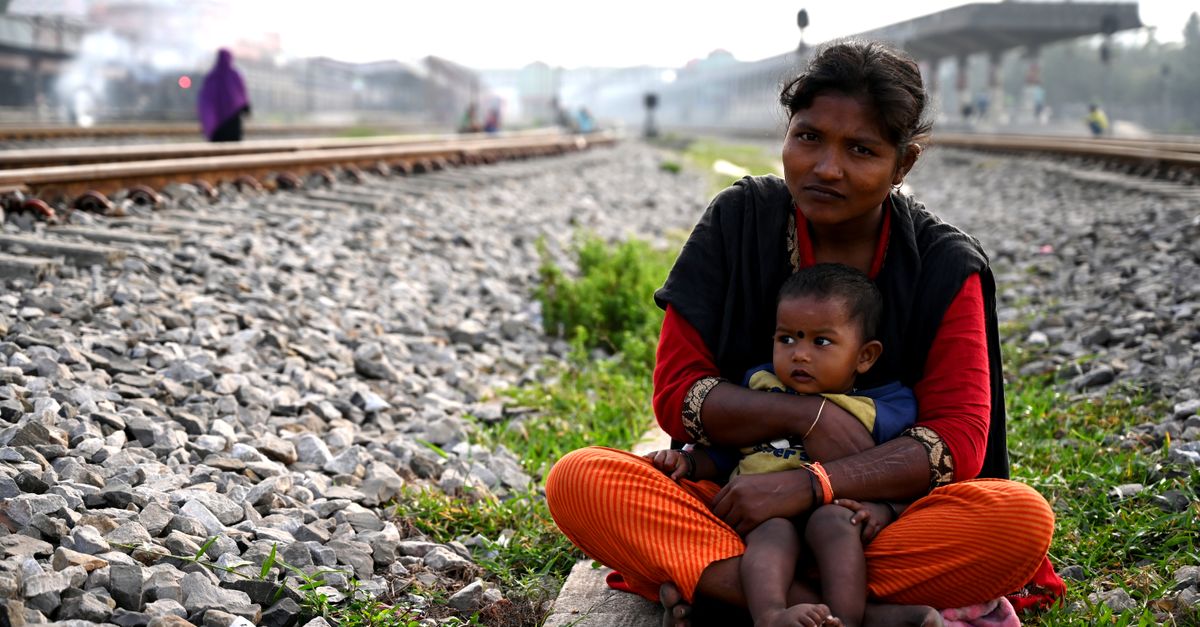
Despite rising healthcare costs, health insurance remains a perplexing topic for many Indians, leading to underinsurance and financial stress.
In India, where healthcare costs are rising sharply, understanding health insurance remains elusive for a large part of the population. With only about 37% of Indians covered by any form of health insurance according to the National Health Profile 2020, millions continue to face financial hardships during medical emergencies. This gap in comprehension often stems from a mix of cultural factors, lack of education on the subject, and the complex nature of insurance policies themselves.
The Complexity of Health Insurance Policies
One of the primary reasons health insurance remains misunderstood is the inherent complexity of the policies. Insurance documents are often laden with jargon and technical terms, making them difficult to understand for the average consumer. Terms like 'deductible', 'co-pay', and 'sum insured' are not just foreign but intimidating. This complexity discourages individuals from investing the time needed to fully grasp the benefits and limitations of their policies.
Cultural and Educational Barriers
In India, cultural attitudes towards health insurance also play a significant role in its misunderstanding. Traditionally, Indians have relied on savings, borrowing, and familial support during health crises. The concept of preemptively investing in health insurance is relatively new and often viewed with skepticism. Moreover, a lack of formal education on financial products, including insurance, exacerbates the issue. Many Indians, particularly in rural areas, have limited access to information that could help them make informed decisions.
Misleading Marketing Practices
Marketing strategies used by some insurance companies further complicate the understanding of health insurance. In an attempt to attract customers, companies often highlight benefits while downplaying exclusions and limitations. This can lead to policyholders being unaware of what their insurance actually covers until they attempt to make a claim. The resulting dissatisfaction and distrust deter people from considering health insurance as a reliable financial tool.
The Role of Government and Policy Changes
The Indian government has made efforts to increase health insurance penetration through initiatives like Ayushman Bharat, which aims to provide coverage to the most vulnerable populations. However, these initiatives often fail to reach the entire target audience due to inadequate awareness campaigns and infrastructural bottlenecks. Furthermore, frequent policy changes can confuse consumers about the current regulations and benefits, leaving them unsure about how to proceed.
Steps Towards Improvement
Addressing the misunderstanding surrounding health insurance in India requires a multi-faceted approach. Simplifying policy language and offering transparent information are crucial first steps. Insurance companies can play a pivotal role by providing clear, concise explanations of their products and investing in educating their potential clients. Additionally, governmental efforts need to focus on robust awareness campaigns that reach rural and underserved areas.
Moreover, implementing mandatory financial literacy programs in schools could equip future generations with the knowledge necessary to make informed decisions about health insurance. As India continues to grapple with high healthcare costs, understanding and expanding health insurance coverage could significantly alleviate the financial burden on its citizens.
In the words of a well-known health economist, "Understanding health insurance is not just about personal finance; it’s about social security and stability." As India evolves, so must its approach to educating its citizens about the importance and nuances of health insurance.