
Why Is Screening Critical for High-Risk Individuals
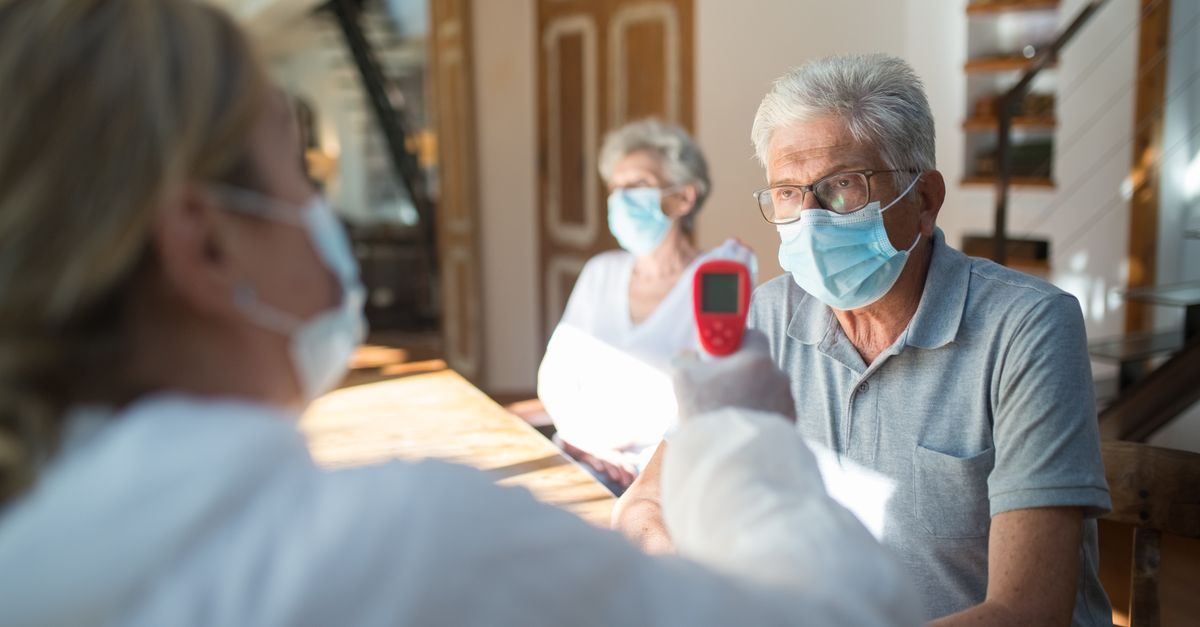
Screening can catch diseases early, saving high-risk lives.
In the realm of healthcare, preventative measures play a crucial role in managing diseases effectively, particularly for high-risk individuals. Screening is a vital process that can detect potential health issues before they develop into serious conditions. Understanding the significance of regular screening for vulnerable populations is essential, as it can lead to timely interventions, better health outcomes, and ultimately, save lives.
The Importance of Regular Screening for High-Risk Groups
Regular screening for high-risk individuals is essential due to their increased likelihood of developing certain health conditions. High-risk groups often include those with a family history of specific diseases, chronic health issues, or lifestyle factors that elevate their susceptibility. For instance, individuals with a family history of breast cancer or diabetes may benefit significantly from early screening protocols. By identifying potential health risks early, healthcare providers can tailor preventive measures and interventions to mitigate these risks.
Moreover, high-risk individuals may not exhibit symptoms in the early stages of a disease. Conditions such as hypertension, diabetes, or certain types of cancer can remain asymptomatic for years. This silent progression often leads to late-stage diagnoses, which can be more difficult to treat and manage. Regular screenings help bridge this gap, allowing for early identification and management of these conditions, which is particularly crucial in populations where access to healthcare might be limited or where there may be fewer opportunities for routine check-ups.
Additionally, regular screenings can foster a proactive approach to health management within high-risk groups. Encouraging these individuals to participate in routine health checks can promote awareness, leading to healthier lifestyle choices and increased engagement with their healthcare providers. Programs that focus on education and accessibility to screenings can further enhance participation among these populations, ultimately contributing to better overall health outcomes.
How Early Detection Can Save Lives in Vulnerable Populations
The significance of early detection in high-risk populations cannot be overstated. Early-stage identification of diseases often correlates with improved survival rates. For example, breast cancer that is detected at an early stage has a substantially higher five-year survival rate compared to those identified at a later stage. Regular screenings facilitate this early detection, enabling timely interventions that can significantly alter the course of treatment and prognosis.
Furthermore, early detection allows healthcare professionals to implement more effective management strategies. For individuals diagnosed with conditions like hypertension or elevated cholesterol levels, early intervention can involve lifestyle modifications or medication that can prevent the escalation of these issues into more serious health problems. This not only improves the quality of life for these individuals but also reduces the long-term costs associated with advanced treatment and hospitalizations.
In vulnerable populations, the benefits of early detection extend beyond the individual. When high-risk individuals receive timely diagnoses and interventions, it can lead to a ripple effect within their communities. Healthier individuals contribute to healthier families and neighborhoods, reducing the overall burden on healthcare systems. As such, focusing on screening and early detection not only addresses individual health needs but also promotes broader public health goals, making it a critical component of healthcare strategies aimed at high-risk populations.
Screening for high-risk individuals is an invaluable tool in the fight against preventable diseases. By emphasizing the importance of regular screenings and the benefits of early detection, healthcare providers can empower vulnerable populations to take charge of their health. Ultimately, prioritizing these preventive measures can lead to improved health outcomes, reduced healthcare costs, and healthier communities. As the healthcare landscape continues to evolve, maintaining a focus on screening will remain essential in delivering effective care to those who need it most.