
Why Is Preventive Orthopedic Screening Important
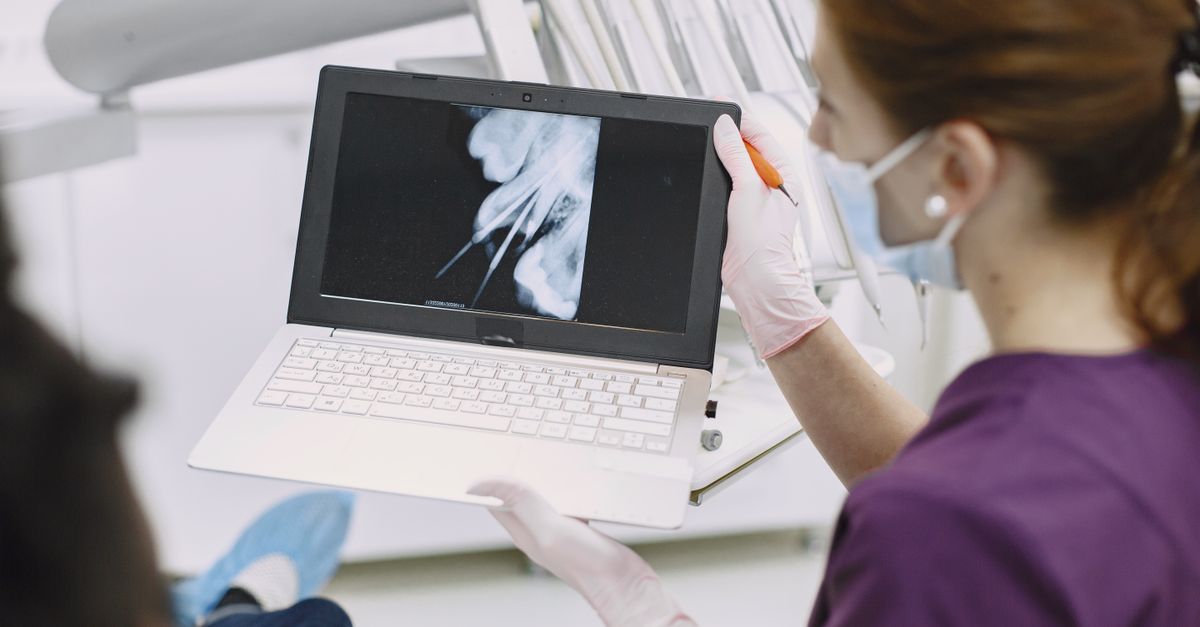
Preventive orthopedic screening can catch issues early, improving outcomes.
Preventive orthopedic screening is an essential component in maintaining musculoskeletal health. As physical activity levels rise globally, so does the prevalence of orthopedic injuries and conditions that can affect mobility and quality of life. Screening processes aim to identify potential issues before they develop into serious problems, which can lead to long-term consequences. This article explores the significance of preventive orthopedic screening, the role it plays in early detection, and the benefits associated with proactive measures in orthopedic health.
Understanding the Role of Preventive Orthopedic Screening
Preventive orthopedic screening involves comprehensive evaluations designed to detect musculoskeletal problems early on. These screenings can include assessments of posture, joint flexibility, muscle strength, and overall physical function. By identifying risk factors such as poor biomechanics or underlying conditions, healthcare providers can offer tailored advice and interventions. This proactive approach not only mitigates possible injury but also promotes a healthier lifestyle through increased awareness of individual capabilities and limitations.
Moreover, preventive screenings can play a crucial role in specific populations, such as athletes, elderly individuals, or those with pre-existing health conditions. Athletes, for example, may be more prone to injuries due to the physical demands of their sport. Regular screenings help in developing customized training regimens that reduce injury risk. Similarly, older adults can benefit from assessments that focus on maintaining mobility and preventing falls, which can lead to severe complications.
Healthcare professionals advocate for regular preventive screenings as part of routine check-ups, emphasizing their role in fostering long-term orthopedic health. By integrating these assessments into standard healthcare practices, communities can enhance overall public health, reduce healthcare costs, and improve quality of life for individuals at risk of orthopedic issues.
Key Benefits of Early Detection in Orthopedic Health
One of the most significant advantages of early detection through preventive orthopedic screening is the ability to intervene before conditions worsen. Musculoskeletal disorders, if left untreated, can lead to chronic pain, decreased mobility, and long-term disability. By identifying these issues early, healthcare providers can implement targeted treatments or lifestyle modifications that can halt the progression of the disease. This early intervention not only enhances recovery outcomes but also reduces the burden on healthcare systems.
Additionally, early detection allows for better resource allocation and management within healthcare settings. When conditions are detected and addressed promptly, it minimizes the need for more invasive treatments, such as surgeries or prolonged rehabilitation programs. This not only benefits patients by reducing their recovery times but also helps healthcare facilities manage costs and resources more effectively. Preventive screening can thus be viewed as a cost-saving strategy that serves both individual and systemic health interests.
Lastly, preventive orthopedic screening fosters a culture of health awareness among individuals. When people understand the importance of regular screenings, they are more likely to engage in self-care practices, preventive measures, and lifestyle changes that promote overall well-being. This proactive mindset can lead to healthier communities, where individuals take charge of their orthopedic health, reducing the prevalence of preventable conditions and improving the quality of life across various demographics.
In conclusion, preventive orthopedic screening is vital for maintaining musculoskeletal health and addressing potential issues before they escalate. The benefits of early detection extend beyond individual patients, impacting overall public health and healthcare resource management. As awareness of the importance of such screenings grows, it is essential for individuals to prioritize their orthopedic health and consult qualified healthcare professionals to ensure they receive appropriate assessments and recommendations. By taking preventive measures, we can pave the way for healthier, more active lives.