
Why Is Early Treatment Important in Orthopedic Conditions
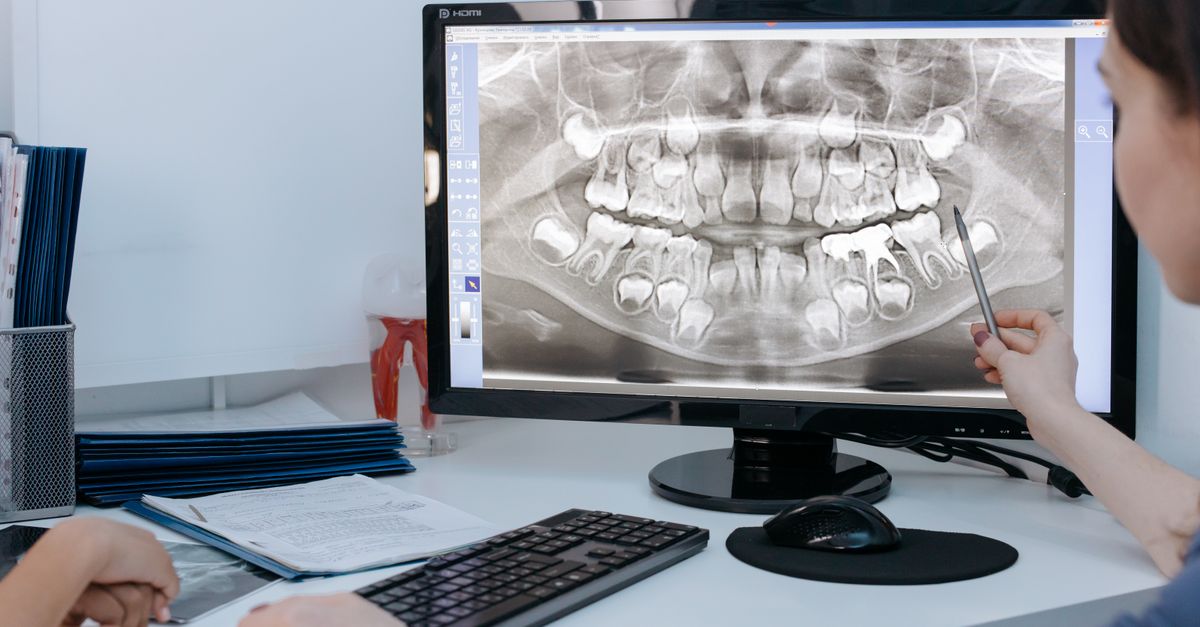
Early treatment in orthopedic conditions can prevent long-term issues.
Early intervention in orthopedic conditions has emerged as a pivotal strategy in modern healthcare, underscoring the importance of timely diagnosis and treatment. Whether it's a sports injury, chronic joint pain, or bone fractures, addressing these issues promptly can significantly influence long-term outcomes. With the prevalence of orthopedic disorders rising, understanding the urgency of early treatment becomes crucial for both patients and healthcare providers. In this article, we will explore the critical role of timely intervention in orthopedic care and the long-term benefits it offers for joint health.
The Critical Role of Timely Intervention in Orthopedic Care
Timely intervention in orthopedic conditions is essential for several reasons. First and foremost, early diagnosis can prevent the progression of a condition. For instance, repetitive strain injuries can develop into chronic pain syndromes if not addressed promptly. Immediate treatment can minimize further damage and complications, allowing for a more straightforward recovery path. Research indicates that patients who seek treatment sooner often experience less severe symptoms and a quicker return to normal function.
Moreover, early treatment can also reduce the financial burden associated with orthopedic care. Delayed intervention often leads to more complex medical procedures, prolonged rehabilitation, and a higher overall cost. According to a study published in the Journal of Orthopedic Research, the economic impact of waiting for treatment can be substantial, resulting in increased healthcare expenditures for both patients and systems. Therefore, addressing orthopedic issues at their onset can lead to substantial savings.
Additionally, timely intervention promotes better patient outcomes and satisfaction. Patients who receive early treatment for their orthopedic issues generally report greater satisfaction with their care, as they experience less pain and improved functionality. Better outcomes often translate to a return to daily activities and sports, which enhances quality of life and overall well-being. Thus, the importance of early intervention cannot be understated in orthopedic care.
Long-Term Benefits of Early Treatment for Joint Health
The long-term benefits of early treatment for joint health extend beyond immediate relief of symptoms. One significant advantage is the potential to preserve joint function and mobility over time. Conditions such as osteoarthritis can lead to cartilage degeneration, but early interventions, including physical therapy or minimally invasive surgeries, can slow this progression. By maintaining joint health, patients can prevent or delay the need for more invasive procedures like joint replacements in the future.
Furthermore, early treatment can help to instill a proactive attitude towards joint care among patients. When individuals experience positive outcomes from prompt medical attention, they are more likely to engage in preventive measures such as maintaining a healthy weight, exercising regularly, and adhering to medical advice. This proactive approach can reduce the risk of developing additional orthopedic issues down the line and foster a culture of health and self-care.
Lastly, early treatment can play a crucial role in educating patients about their conditions. Understanding the specifics of one’s orthopedic issues empowers patients to make informed decisions about their health. Educational initiatives that accompany early treatment can provide patients with essential knowledge about lifestyle modifications, rehabilitation exercises, and the importance of follow-up care. This holistic approach can lead to sustained joint health and improved overall quality of life.
In conclusion, the importance of early treatment in orthopedic conditions cannot be overstated. Timely intervention not only prevents the progression of injuries and diseases but also significantly reduces healthcare costs and enhances patient satisfaction. With the long-term benefits of preserving joint health and fostering a proactive approach to care, early treatment serves as a cornerstone in effective orthopedic management. As awareness grows, it is crucial for patients to seek help at the first signs of discomfort and for healthcare professionals to advocate for early intervention strategies to improve long-term outcomes in orthopedic care.