
Why Is Early Treatment Important for Acne
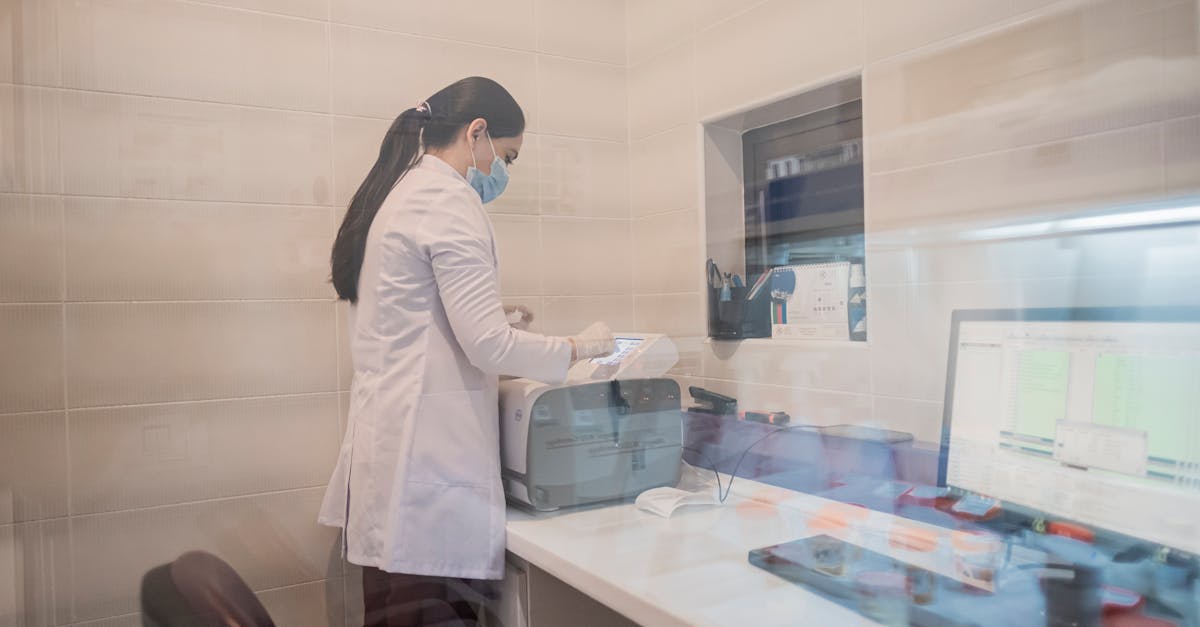
Early acne treatment can prevent lasting skin damage and scarring.
Acne is a common skin condition that affects individuals of all ages, particularly during adolescence. Characterized by the presence of pimples, blackheads, and cysts, acne can lead to physical and emotional distress. Early treatment is often emphasized by healthcare professionals, yet many individuals hesitate to seek help. Understanding the importance of prompt intervention can significantly alter the trajectory of one's skin health and overall well-being.
Understanding the Benefits of Early Acne Treatment Options
Early treatment for acne offers numerous benefits, including a reduction in the severity and frequency of breakouts. When acne is addressed promptly, the risk of developing more severe forms—such as cystic acne—diminishes significantly. Treatments can range from topical solutions to oral medications, each tailored to individual needs. Engaging with a healthcare provider early in the process ensures that patients receive personalized care and appropriate treatment options, which can lead to quicker results and reduced skin irritation.
In addition to minimizing the physical symptoms of acne, early treatment can also have substantial psychological benefits. Acne is often linked to increased levels of anxiety, depression, and lowered self-esteem, particularly in adolescents. By addressing acne early, individuals can experience a boost in confidence and a better quality of life. Access to effective treatments, combined with educational resources, helps empower patients to manage their condition proactively, avoiding potential long-term emotional scars.
Furthermore, initiating treatment early can lead to fewer and less invasive interventions down the line. Delay in seeking help can result in deeper scarring and pigmentation issues that may require more intensive procedures, such as laser therapy or surgical intervention. Early management can mitigate these risks, making it a more cost-effective and less invasive approach in the long run. By prioritizing early intervention, patients can ensure healthier skin with fewer complications.
The Long-Term Impact of Delayed Acne Management Strategies
Delaying acne treatment can have significant long-term consequences, both physically and emotionally. Left untreated, acne can evolve into more severe conditions that may be harder to manage. The persistence of acne can lead to scarring, which is often irreversible and can require costly and time-consuming treatments to correct. This often results in a vicious cycle where ongoing skin issues exacerbate the emotional distress that many patients experience.
Furthermore, the psychological ramifications of untreated acne can be profound. Studies have shown that individuals with acne are more prone to developing issues such as social anxiety and depression. Prolonged exposure to these negative feelings can lead to a decline in overall mental health and well-being. As self-image deteriorates, individuals may withdraw from social interactions and daily activities, further isolating themselves and potentially impacting their academic or professional lives.
In a healthcare context, delayed treatment can also increase the overall burden on healthcare systems. Patients might eventually require more intensive and costly treatments, which could have been avoided with early intervention. This not only affects the individual’s financial situation but also places a strain on healthcare resources. By recognizing the importance of early treatment, society as a whole can benefit from healthier individuals who are less reliant on extensive medical interventions.
In conclusion, the importance of early treatment for acne cannot be overstated. From reducing the severity of breakouts to minimizing long-term physical and psychological impacts, prompt intervention can significantly change the course of an individual's skin health. By seeking help early, patients can improve not only their skin condition but also their quality of life. As awareness grows, it is vital to encourage individuals affected by acne to consult qualified healthcare professionals to explore their treatment options and adopt proactive management strategies for their skin health.