
Why Indian Doctors Must Embrace Digital Presence Now
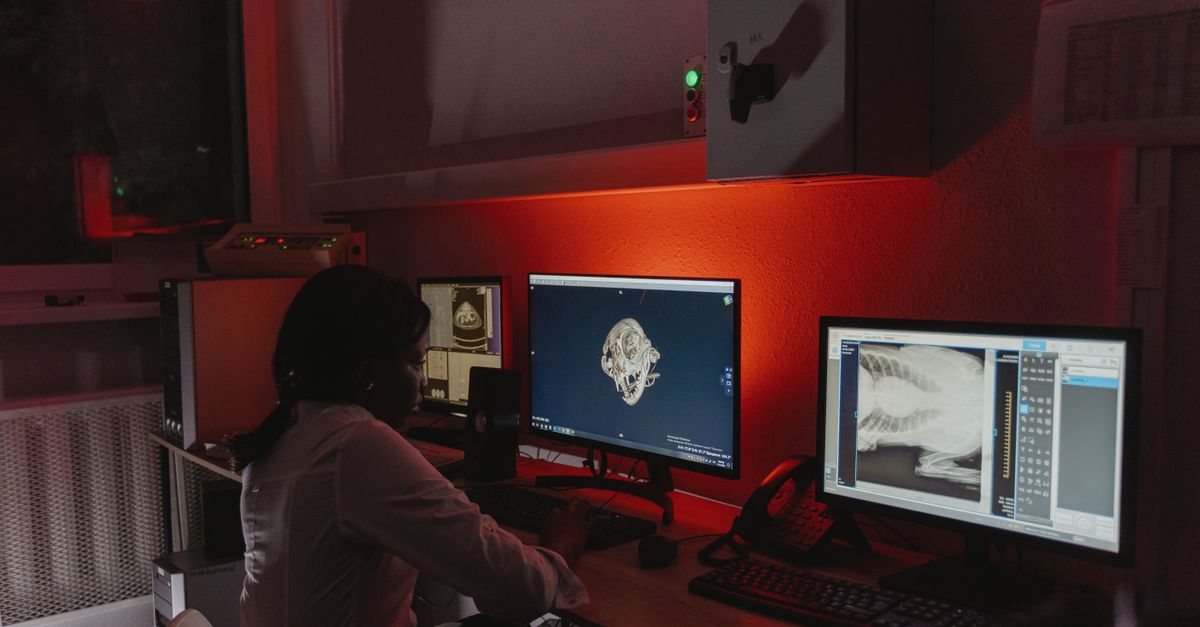
As healthcare shifts online, Indian doctors find a digital presence essential for patient engagement and professional growth.
In a country where over 700 million people are projected to use the internet by 2025, the importance of a robust digital presence for Indian doctors has never been more apparent. With an increasing number of patients turning to online platforms for healthcare advice, consultations, and appointments, doctors who fail to adapt risk becoming invisible in the competitive landscape.
The Surge in Online Healthcare Platforms
In recent years, India has witnessed a proliferation of online healthcare platforms such as Practo, 1mg, and Lybrate, which allow patients to consult doctors virtually. These platforms have not only expanded access to healthcare but have also created an imperative for doctors to establish and maintain an online profile. With these platforms reporting millions of users, the potential for reaching a wider patient base is immense.
According to a report by RedSeer Consulting, the telemedicine market in India is expected to reach $5.5 billion by 2025, growing at a compound annual growth rate of 31%. This growth underscores the necessity for doctors to be digitally active and visible to leverage this expanding market effectively.
Building Trust and Credibility Online
For many patients, especially those in urban areas, the first interaction with a healthcare provider often begins with an online search. A well-managed digital presence can significantly influence a patient’s choice of healthcare provider. Physicians who engage with their patients through blogs, informational videos, and active social media profiles can build trust and establish themselves as credible experts in their fields.
Moreover, patient reviews and ratings on platforms like Google and Practo have become modern-day word-of-mouth. Positive reviews not only enhance a doctor's reputation but also serve as a powerful marketing tool. Therefore, managing one’s online reputation has become as crucial as maintaining clinical excellence.
Expanding Professional Networks
Beyond patient engagement, a digital presence is vital for professional growth and networking. Platforms like LinkedIn offer doctors the opportunity to connect with peers, discover new research, and participate in webinars and online conferences. These interactions can lead to collaborative projects, research opportunities, and exposure to the latest medical advancements, all of which are essential for career development.
In addition, several professional forums and groups have migrated online, facilitating discussions and knowledge sharing among medical professionals across the globe. This global interaction can lead to innovative solutions and improve healthcare delivery standards.
Challenges in Adapting to Digital Platforms
Despite the clear benefits, many doctors face challenges in establishing a digital presence. Concerns about data privacy, the time investment required, and a lack of digital literacy are significant hurdles. However, resources and training programs are increasingly available to help doctors overcome these obstacles.
The Indian government has also recognized the importance of digital healthcare and is implementing policies to support its growth. Initiatives such as the National Digital Health Mission aim to create a digital health ecosystem that makes it easier for healthcare providers to adopt digital tools and platforms.
Looking Ahead: The Future of Digital Healthcare
As technology continues to evolve, the integration of artificial intelligence and machine learning into healthcare platforms promises to further transform how healthcare services are delivered. Doctors who are digitally active today are better positioned to adapt to these upcoming changes.
Ultimately, a strong digital presence is no longer optional but essential for Indian doctors who wish to remain relevant and competitive. As Dr. Arvind Kumar, a renowned pulmonologist, aptly puts it, "In the digital age, being offline is akin to being invisible."