
Why Hospital Beds Alone Cannot Solve India’s Healthcare Crisis
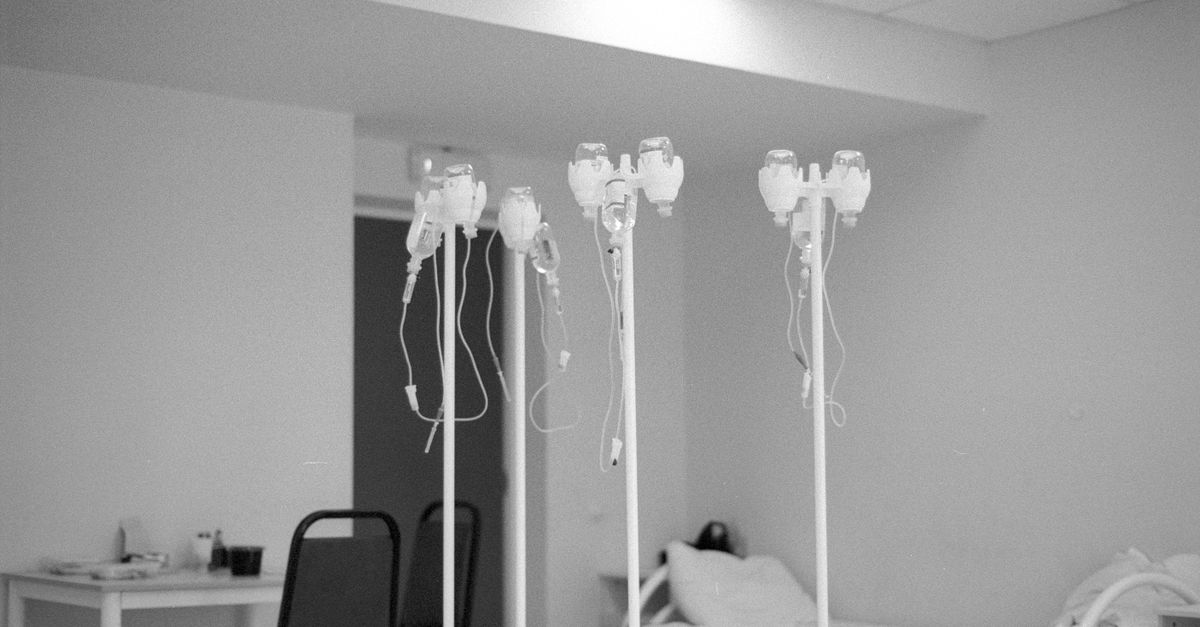
India's healthcare challenges extend beyond bed shortages, demanding systemic reforms and innovative solutions.
India's healthcare system faces an immense challenge: a severe shortage of hospital beds. With a population exceeding 1.4 billion, the country has only about 1.3 beds per 1,000 people, according to the World Bank. This figure pales in comparison to the global average of 2.7 and the World Health Organization's (WHO) recommendation of 3.5. Yet, increasing the number of hospital beds is not the panacea for India's complex healthcare crisis.
The Importance of Primary Healthcare
At the core of India's healthcare woes is the underdeveloped primary healthcare sector. Public health experts argue that a robust primary care system could alleviate the pressure on hospitals by managing diseases before they require hospital-level intervention. According to the 2021 National Health Profile, only 27% of Indians have access to comprehensive primary healthcare. This gap leads to overcrowded hospitals, as patients often bypass initial care levels and head straight to tertiary facilities for ailments that could have been addressed earlier.
Addressing the Human Resource Deficit
Even if India were to increase its number of hospital beds, the shortage of healthcare professionals remains a significant barrier. The country faces a deficit of around 600,000 doctors and 2 million nurses, as per a report by the Centre for Disease Dynamics, Economics & Policy. Without trained personnel, additional beds offer little relief. The government's efforts to augment medical education and training have been slow, with only incremental increases in medical school seats and limited initiatives to incentivize rural postings for healthcare workers.
Infrastructure and Accessibility Challenges
Beyond beds and personnel, infrastructure quality and accessibility pose formidable challenges. Many existing healthcare facilities suffer from outdated equipment, inconsistent electricity, and poor sanitation. Moreover, rural areas, where 65% of the population resides, are often underserved. This urban-rural divide means that even when beds are available, they are not always accessible to those who need them most. Efforts to build more hospitals in rural locations have been stymied by logistical and financial constraints, as well as a lack of political will.
The Role of Technology and Innovation
Technology offers promising solutions to bridge the healthcare gap in India. Telemedicine, for instance, has shown potential in expanding access to healthcare in remote areas. The Indian government’s eSanjeevani platform has facilitated over 10 million consultations since its launch, illustrating the demand and scalability of such services. Additionally, mobile health units and app-based health services can provide crucial support in regions lacking physical healthcare infrastructure.
Policy and Systemic Reforms Needed
Systemic reforms are imperative to address India's healthcare challenges comprehensively. The Ayushman Bharat scheme, launched in 2018, aims to provide health insurance to over 500 million people, but its success hinges on the effective implementation and integration of services at the ground level. Policies focusing on preventive care, public health education, and the reduction of non-communicable diseases can help decrease the burden on hospitals, making them more efficient and responsive in times of crisis.
Ultimately, while increasing hospital beds is a necessary step, it must be part of a broader strategy that includes strengthening primary care, addressing workforce shortages, improving infrastructure, and leveraging technology. As Dr. Soumya Swaminathan, Chief Scientist at WHO, notes, "A holistic approach is essential for a resilient healthcare system that serves all sections of society."