
Why Fiber is Essential for a Healthy Diet
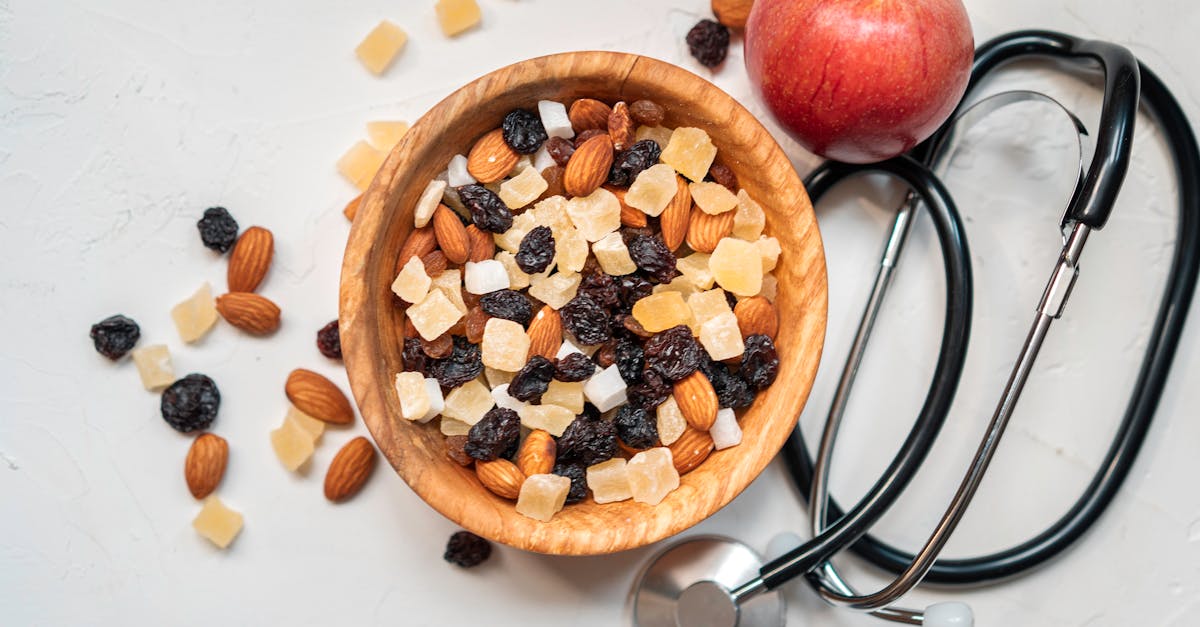
Fiber is more than just roughage; it is a key component of a well-balanced diet, providing numerous health benefits.
Fiber, often overshadowed by proteins and fats, quietly plays an indispensable role in maintaining a healthy diet. While its reputation as mere roughage persists, modern nutrition science reveals fiber's capacity to fortify health and prevent disease. Found in fruits, vegetables, whole grains, and legumes, fiber is crucial for digestive health, weight management, and chronic disease prevention.
The Science Behind Fiber
Dietary fiber is a type of carbohydrate that the body cannot digest. Unlike other carbohydrates, which are broken down into sugar molecules, fiber passes through the body undigested. It is a complex carbohydrate that is categorized into two types: soluble and insoluble. Soluble fiber dissolves in water to form a gel-like material, aiding in the regulation of blood glucose levels and lowering cholesterol. Insoluble fiber promotes the movement of material through the digestive system, increasing stool bulk and helping those who struggle with constipation or irregular stools.
The Digestive Benefits
Fiber’s most lauded benefit is its ability to aid in digestion. High-fiber diets help normalize bowel movements by increasing the weight and size of stools and softening them, thus decreasing the likelihood of constipation. Additionally, a diet rich in fiber lowers the risk of developing diverticular disease and hemorrhoids. The fermentation of some fibers in the colon produces short-chain fatty acids, which are beneficial for colon health.
Weight Management and Satiety
Fiber plays a significant role in weight management. Foods rich in fiber are generally more filling than low-fiber foods, helping to curb appetite and reduce overall calorie intake. This is because fiber-rich foods often require more chewing time, giving the body time to register when it is no longer hungry. Moreover, the bulk and gel-like properties of fiber slow down digestion and prolong feelings of fullness.
Heart Health and Disease Prevention
Aside from digestion, fiber is also a formidable ally in heart health. Consuming plenty of fiber, particularly soluble fiber, can help lower total blood cholesterol levels by lowering low-density lipoprotein, or "bad" cholesterol levels. High-fiber foods also help control blood sugar levels, reducing the risk of developing type 2 diabetes. Additionally, a diet rich in fiber is associated with a lower risk of developing cardiovascular diseases and certain types of cancer, such as colorectal cancer.
Incorporating Fiber into Your Diet
Despite its benefits, many people do not get the recommended daily intake of fiber, which is 25 grams for women and 38 grams for men, according to the Institute of Medicine. To increase fiber intake, focus on whole foods. Opt for whole fruits and vegetables, whole grain breads and cereals, nuts, seeds, and legumes. Gradually increasing fiber intake can help minimize the risk of bloating and gas, common side effects when fiber is added too quickly to the diet.
Incorporating a variety of fiber-rich foods not only contributes to overall health but also enhances meal satisfaction. As awareness grows around the importance of fiber, its role in a balanced diet should not be underestimated. As Dr. Jane Smith, a nutrition expert, puts it: "Fiber is the unsung hero of nutrition, quietly supporting health in ways we are only beginning to fully understand."