
Why Does Stroke Cause Sudden Weakness on One Side
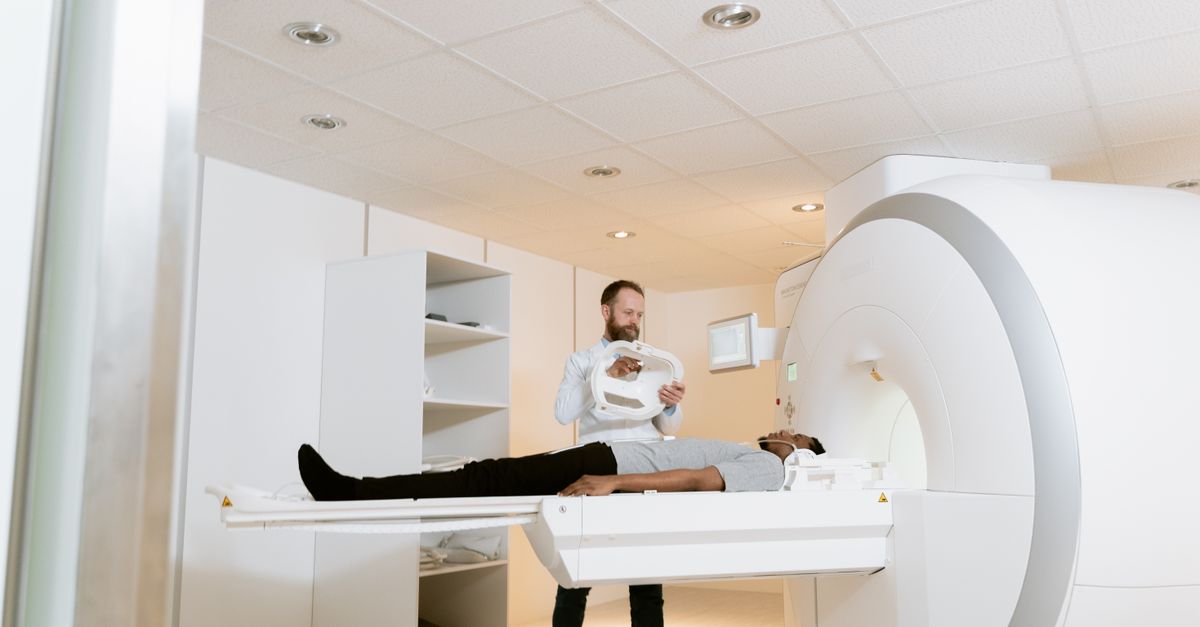
Stroke can lead to sudden weakness on one side of the body.
A stroke is a medical emergency that can have profound effects on the body, particularly in causing sudden weakness on one side. This phenomenon, known as hemiparesis or hemiplegia, can be alarming and disorienting for both the individual and their loved ones. Understanding the underlying mechanisms that lead to this one-sided weakness can provide clarity on the condition's implications and highlight the importance of immediate medical intervention.
Understanding the Mechanism Behind Stroke-Induced Weakness
Strokes occur when there is a disruption of blood flow to the brain, either due to a blockage (ischemic stroke) or a rupture (hemorrhagic stroke). When brain cells are deprived of oxygen and nutrients, they begin to die, leading to various neurological deficits. The side of the body affected depends on which part of the brain is damaged; for instance, damage to the right hemisphere can lead to weakness on the left side of the body, while a problem in the left hemisphere affects the right side.
The brain's motor cortex, located in the frontal lobe, is responsible for voluntary movement. It communicates with the spinal cord and peripheral nerves to facilitate movement on both sides of the body. However, this communication pathway is complex, and a stroke can disrupt it at various points, causing weakness or loss of function in specific muscle groups. Understanding this pathway helps explain why only one side of the body may be affected following a stroke.
Additionally, the brain is organized in a contralateral manner, meaning that each hemisphere primarily controls the opposite side of the body. This means that damage to the left side of the brain impacts the right side of the body and vice versa. Consequently, the type and severity of weakness experienced can vary depending on the stroke's location and extent of brain damage, further complicating recovery and rehabilitation efforts.
The Impact of Stroke on Brain Function and Body Movement
The immediate effects of a stroke can be devastating. Many individuals experience not only weakness but also difficulties with coordination, balance, and fine motor skills. This can lead to challenges in performing everyday activities, such as walking, dressing, or eating. The neurological impact of a stroke goes beyond just physical weakness; it can also affect cognitive and emotional functioning, altering a person's ability to communicate and process information.
Rehabilitation plays a crucial role in recovery, focusing on regaining strength, improving coordination, and restoring function. Physical therapy often centers on exercises designed to strengthen weakened muscles and improve overall mobility. Occupational therapy may also be introduced to assist individuals in adapting to their new circumstances, teaching them strategies to perform daily tasks more easily despite their limitations. The holistic approach ensures that both physical and cognitive aspects of recovery are addressed.
Understanding the impact of stroke-induced weakness is essential for caregivers and healthcare providers. Recognizing that sudden weakness on one side is a potential sign of a stroke can lead to more timely medical intervention, which is critical for improving outcomes. Education about the signs and symptoms of stroke—commonly summarized by the acronym FAST (Face drooping, Arm weakness, Speech difficulties, Time to call emergency services)—is vital in fostering community awareness and prompt action.
In summary, the sudden weakness experienced on one side of the body following a stroke is a direct consequence of disrupted brain function and communication pathways. Awareness of this condition can facilitate quicker responses and better treatment outcomes. As medical science continues to advance, understanding the complexities of stroke and its effects serves as a reminder of the brain's vulnerability and the critical importance of holistic care in rehabilitation. For individuals and families affected by stroke, consulting qualified healthcare professionals remains essential to navigate recovery effectively.