
Why Does Stress Cause Acne
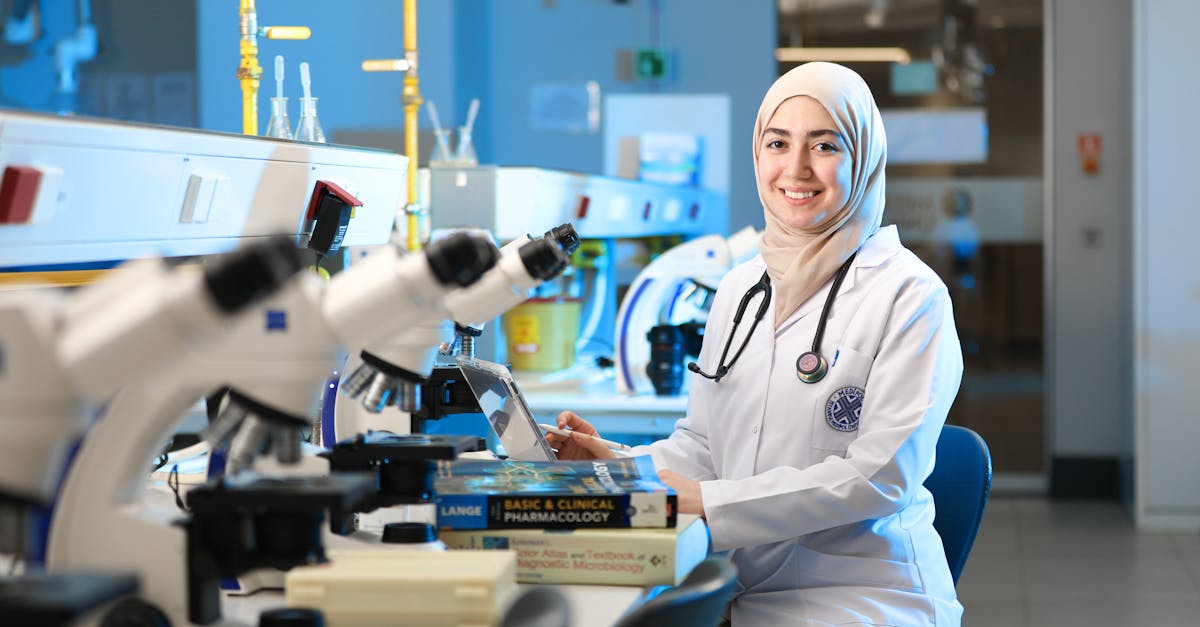
Stress can trigger acne by increasing oil production and inflammation.
Stress is an omnipresent aspect of modern life, influencing not only our mental well-being but also our physical health. One area where this connection is particularly evident is skin health, specifically acne. Acne, a common skin condition that affects millions worldwide, can be exacerbated by stress. This article delves into the scientific understanding of how stress and acne are connected, particularly focusing on hormonal changes and their implications for skin health.
The Connection Between Stress and Acne: What Science Says
Research has shown a significant correlation between stress levels and the severity of acne outbreaks. When the body experiences stress, it triggers a cascade of physiological responses, including the release of various hormones. Notably, cortisol, the primary stress hormone, has been shown to increase sebum production, which can lead to clogged pores and ultimately, acne. This process illustrates a biological mechanism that connects emotional strain to skin health, demonstrating how stress can manifest physically.
A study published in the Journal of Investigative Dermatology suggests that the psychological state of an individual can have profound effects on skin conditions, including acne. The findings highlight that stress not only aggravates existing acne but may also contribute to the onset of new breakouts. This relationship underscores the importance of understanding stress management as a component of acne treatment strategies, particularly for those who experience chronic stress.
Moreover, the skin is often referred to as a "mirror" of one's internal state, both emotionally and physiologically. Stress can lead to changes in behaviors that further worsen acne, such as neglecting skincare routines, poor diet, and inadequate sleep. Therefore, the cycle of stress and acne can become self-perpetuating, as individuals may feel distressed about their skin condition, leading to further stress and exacerbation of the problem.
Hormonal Changes: How Stress Impacts Your Skin Health
When the body is under stress, it triggers hormonal changes that can profoundly affect skin health. As previously mentioned, cortisol is released during stressful situations. Elevated cortisol levels can stimulate the sebaceous glands in the skin, leading to increased oil production. This excess oil can mix with dead skin cells and bacteria, creating an environment conducive to acne development. Understanding this mechanism can help individuals appreciate the importance of managing stress to maintain healthier skin.
In addition to cortisol, stress can also affect other hormones, such as androgens. Increased androgen levels can lead to heightened sebum production, which is a primary factor in acne formation. For individuals who are already prone to acne, this hormonal imbalance can significantly worsen their condition. The interplay between stress and hormonal fluctuations is crucial for dermatologists and skincare professionals to consider when developing treatment plans for patients.
Furthermore, the impact of stress on skin health is not just limited to hormonal changes; it can also influence inflammation and immune responses. Chronic stress may contribute to an inflammatory environment in the body, making skin conditions, including acne, more severe. This understanding highlights the need for a holistic approach to skincare that incorporates stress management as a key element in promoting overall skin health.
The relationship between stress and acne is a multifaceted issue that intertwines mental health with skin health. Understanding the biological mechanisms, particularly hormonal changes, can empower individuals to take proactive steps in managing their stress levels. While it is essential to address the physical aspects of acne, recognizing and mitigating stress may lead to more effective and lasting skin health outcomes. As always, consulting with qualified healthcare professionals is crucial for personalized advice and treatment options.