
Why Does Sitting Too Long Cause Back Pain
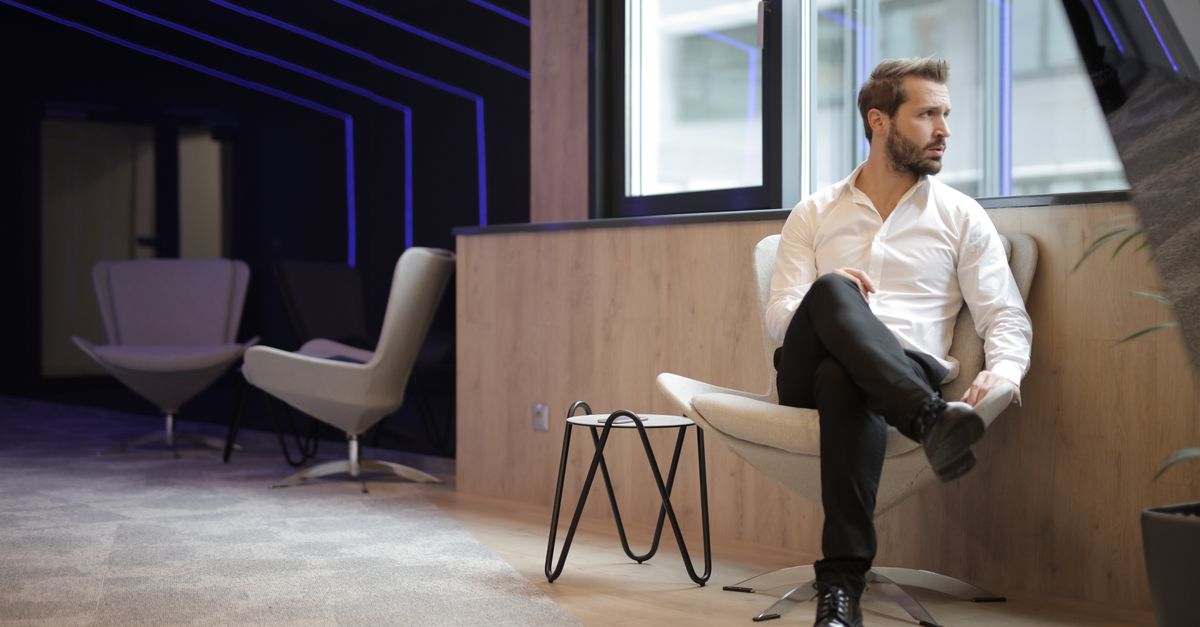
Sitting too long can strain your back and affect posture.
In today’s fast-paced world, many individuals find themselves spending long hours seated, whether at work, in front of screens, or during commutes. While sitting is often seen as a benign activity, understanding its implications for our physical health, particularly back pain, is essential. This article delves into the relationship between prolonged sitting and back pain, unpacking the mechanics and biological factors behind this common issue.
Understanding the Link Between Prolonged Sitting and Back Pain
Prolonged sitting can lead to various musculoskeletal issues, particularly in the back. When seated for extended periods, the spine often shifts into a position that can strain muscles and ligaments. For instance, slouching or hunching can increase pressure on the intervertebral discs, the cushions between vertebrae, potentially leading to discomfort and pain. Moreover, the lack of movement while sitting can contribute to muscle stiffness, making it more difficult for the back to support the body properly.
Additionally, sitting for long durations can exacerbate existing conditions, such as herniated discs or degenerative disc disease. The cumulative effect of prolonged inactivity can weaken the core muscles that support the spine, leading to an increased risk of injury. Experts emphasize that these physical changes are not just limited to those with previous back issues; even individuals with no prior discomfort can develop pain as a result of poor sitting habits.
Ergonomic factors also play a significant role in the relationship between sitting and back pain. Many people do not have proper seating arrangements, which can lead to unnatural body postures. Chairs that lack lumbar support may fail to support the natural curve of the spine, while desks that are not at the correct height can cause strain. Addressing these ergonomic issues is crucial in mitigating the risk of back pain associated with prolonged sitting.
The Science Behind Back Pain from Extended Sitting Habits
Research indicates that the human body is not designed for prolonged inactivity. When we sit, the muscles in the lower back and abdomen become weakened, and blood circulation to these areas decreases. This reduction in blood flow can impair the delivery of oxygen and nutrients to the spinal structures, leading to fatigue and discomfort. Over time, chronic pressure on specific points of the back can result in inflammation, which is a key contributor to pain.
Furthermore, the psychological impact of prolonged sitting should not be underestimated. Stress and anxiety can lead to muscle tension, particularly in the back and neck areas. As individuals sit for longer periods, the chances of adopting a tense posture increase, potentially leading to additional strain on the spine. This interplay between physical and psychological factors illustrates that back pain is often multifaceted, requiring a comprehensive approach to understanding its causes.
Lastly, modern technology contributes to the problem. With the rise of remote work and digital communication, many people find themselves glued to their screens for extended periods. This trend has been linked to an increase in sedentary lifestyles, further exacerbating issues related to back pain. Researchers advocate for regular movement and breaks from sitting as essential strategies to counteract these risks, emphasizing that incorporating physical activity into daily routines can significantly improve spinal health.
Understanding the intricate link between prolonged sitting and back pain is vital for individuals seeking to maintain their spinal health. By recognizing the physical and psychological implications of extended sitting, coupled with awareness of ergonomic factors, proactive measures can be taken to mitigate discomfort. Encouraging regular movement and breaks can play a crucial role in reducing the prevalence of back pain in our increasingly sedentary lives. As always, consulting qualified healthcare professionals is advisable for personalized guidance and management strategies.