
Why Does Family History Increase Cancer Risk
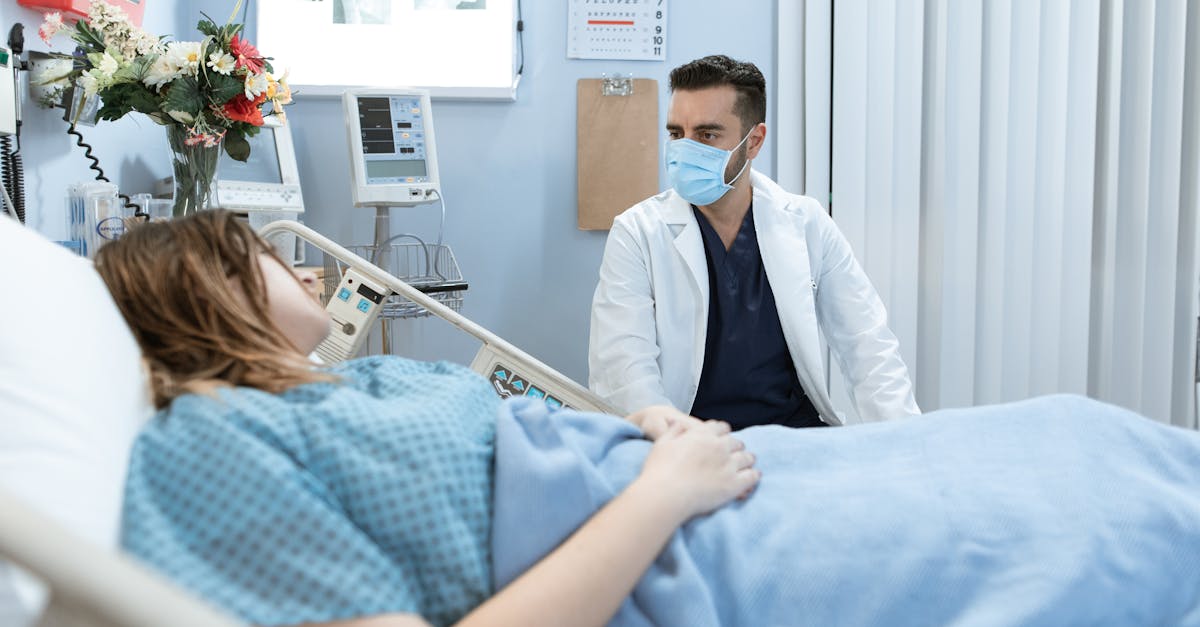
Family history can reveal genetic predispositions to cancer.
The relationship between family history and cancer risk is a complex interplay of genetics, lifestyle, and environmental factors. Understanding this connection is crucial for individuals seeking to comprehend their health profiles and take proactive measures. In this article, we will explore how family history influences cancer risk, the underlying genetic mechanisms, and the role of environmental factors in cancer development.
Understanding the Link Between Family History and Cancer Risk
Family history serves as a significant indicator of an individual's potential risk for developing cancer. Studies show that individuals with close relatives who have had cancer are more likely to develop the disease themselves. This increased risk can often be attributed to shared genetic mutations that predispose family members to certain types of cancer, such as breast, ovarian, and colorectal cancers. For instance, mutations in the BRCA1 and BRCA2 genes are well-documented as hereditary factors that elevate breast cancer risk among women with a family history of the disease.
Beyond genetic predispositions, family history may also highlight lifestyle choices and environmental exposures that run in families. For example, families may share similar dietary habits, smoking patterns, or levels of physical activity, all of which can contribute to cancer risk. These familial behaviors can compound the genetic factors, making it essential for individuals to consider both aspects when evaluating their health risks.
Moreover, the psychological impact of having a family history of cancer can lead to increased anxiety and stress, which may influence health behaviors. Individuals with a strong family history may undergo more frequent screenings and health checks, potentially leading to earlier detection of cancer. However, heightened awareness can also result in undue stress, which might negate some of the positive health behaviors that could reduce risk.
The Role of Genetics and Environment in Cancer Development
Genetics plays a pivotal role in cancer development, often serving as a double-edged sword. While certain inherited mutations can significantly increase cancer risk, not all individuals with a family history will develop the disease. This variability underscores the importance of understanding the genetic landscape. Genetic counseling can help families identify risks and make informed decisions about screening and preventive strategies, but it is crucial to recognize that genetics is just one piece of the puzzle.
Environmental factors are equally important in the discourse surrounding cancer risk. These factors can include exposure to carcinogens such as tobacco smoke, pollutants, and certain chemicals. A family that lives in a high-pollution area may expose its members to harmful substances that elevate cancer risks, irrespective of their genetic predispositions. This highlights the need for a holistic approach when assessing cancer risk, factoring in both genetic and environmental influences.
Additionally, emerging research is shedding light on the interplay between genetics and environment, suggesting that gene-environment interactions may influence cancer risk. For example, individuals with a genetic predisposition to cancer may be more susceptible to the effects of environmental carcinogens. This complex relationship necessitates ongoing research and public health efforts to mitigate risk factors, particularly for families with a noted history of cancer.
Understanding the connection between family history and cancer risk is vital for prevention and early detection strategies. By acknowledging the roles of both genetics and environmental factors, individuals can better prepare themselves and their families for potential health challenges. Continued research in this field remains crucial, as it can lead to improved screening guidelines and preventive measures that may ultimately save lives. Always consult qualified healthcare professionals for personalized advice and risk assessments.