
Why Does Climate Change Influence Dengue Spread
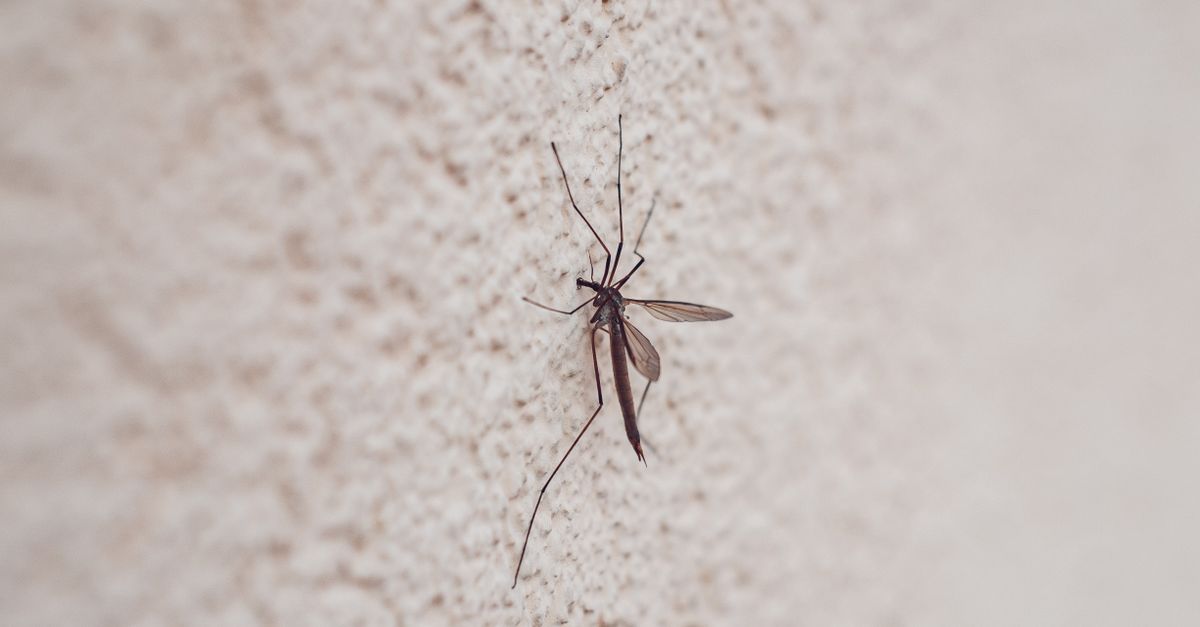
Climate change is reshaping dengue fever's spread globally.
Climate change is a pressing global issue that affects various aspects of life, including public health. Among the many diseases influenced by climate dynamics, dengue fever stands out as a significant concern. The spread of this mosquito-borne illness is closely tied to environmental conditions that are becoming increasingly erratic due to climate change. This article explores the intricate relationship between climate change and the spread of dengue, with a focus on how temperature and rainfall patterns alter mosquito habitats.
Understanding the Link Between Climate Change and Dengue Fever
Dengue fever, transmitted primarily by the Aedes aegypti mosquito, is endemic in many tropical and subtropical regions around the world. The disease's prevalence has been rising, with climate change being a critical factor in its expansion. As global temperatures rise, the geographical range of the Aedes mosquito is widening. Warmer temperatures can shorten the mosquito life cycle, allowing populations to grow more quickly and increasing the likelihood of disease transmission. Additionally, enhanced survival rates in warmer climates enable these mosquitoes to thrive in regions that were previously unsuitable for their existence.
Research indicates that climate change not only affects mosquito populations but also influences the viral replication rates within them. Higher temperatures can accelerate the replication of the dengue virus inside the mosquito, leading to a higher chance of transmission to humans. Studies have shown that even slight increases in temperature can lead to dramatic rises in dengue cases in affected areas. Regions that once experienced mild dengue outbreaks may see more severe epidemics, further complicating public health responses.
Moreover, climate change is expected to create more frequent and intense extreme weather events, such as floods and droughts. These changes can disrupt existing ecosystems and create new breeding grounds for mosquitoes. As urbanization increases and natural habitats are altered, the risk of dengue transmission becomes more pronounced, raising significant concerns for public health officials worldwide.
The Role of Temperature and Rainfall in Mosquito Habitats
Temperature is a critical factor influencing mosquito behavior and life cycle. Aedes mosquitoes thrive in warm climates, with optimal breeding occurring at temperatures between 25°C and 30°C. As climate change drives global temperatures higher, more regions will fall within this optimal range, facilitating the rapid proliferation of mosquito populations. This increased presence not only raises the risk of dengue outbreaks but also poses challenges for existing vector control strategies, which may need to adapt to changing environmental conditions.
Rainfall patterns also play a crucial role in the spread of dengue. Mosquitoes require standing water to breed, and fluctuating rainfall can create ideal conditions for their proliferation. Increased rainfall can lead to the accumulation of water in urban areas, where inadequate drainage systems become breeding grounds for mosquitoes. Conversely, prolonged dry spells can be followed by intense rainfall events, creating a sudden surge in mosquito populations. This cycle highlights the need for effective water management strategies to mitigate the risk of dengue transmission.
Understanding the interplay between climate variables and mosquito habitats is essential for effective public health planning. Policymakers and healthcare providers must consider these environmental factors when developing strategies to combat dengue outbreaks. Proactive measures, such as community education on mosquito breeding prevention and enhanced surveillance of vector populations, can help mitigate the risks posed by climate change on dengue transmission.
In conclusion, the relationship between climate change and the spread of dengue fever is complex and multifaceted. Rising temperatures and shifting rainfall patterns significantly influence mosquito habitats, leading to increased dengue transmission risks. As climate change continues to reshape our environment, it is crucial for public health efforts to adapt accordingly. By investing in research, infrastructure, and community awareness, we can better prepare for the challenges posed by climate change and protect public health from the threats of diseases like dengue.