
Why Does Cancer Sometimes Return After Treatment
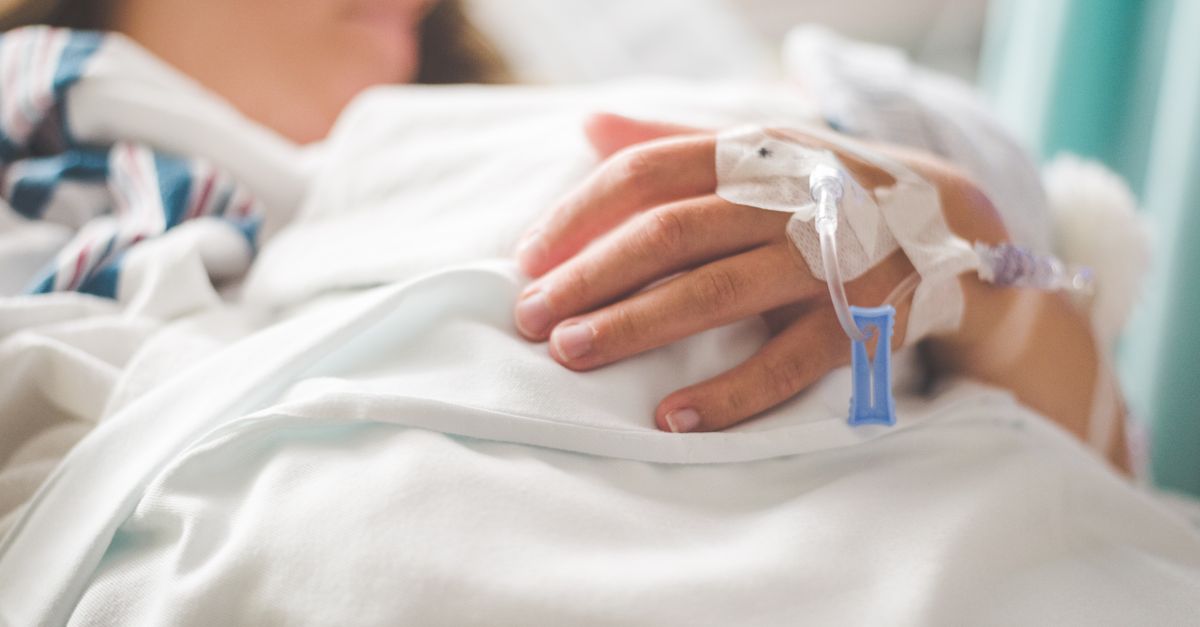
Cancer can return due to lingering cells and treatment limits.
Cancer is a multifaceted disease that challenges both patients and healthcare providers. While many individuals experience successful treatment outcomes, a significant number face the unsettling reality of recurrence. Understanding why cancer can return after treatment is essential for patients and their families, as well as healthcare professionals, to foster informed discussions and better manage expectations.
Understanding the Complexities of Cancer Recurrence Post-Treatment
Cancer recurrence refers to the situation where cancer returns after a period of being undetectable, often after treatment has seemingly eradicated it. This phenomenon is not simply a failure of treatment; rather, it reflects the complexity of cancer biology. Tumors can harbor microscopic cells that evade detection and treatment, leading to a resurgence. These residual cancer cells can remain dormant for years before becoming active again, complicating the overall understanding of cancer management.
The biology of cancer is inherently variable, with each tumor exhibiting unique genetic and molecular characteristics. Some cancers are more aggressive and prone to recurrence, while others may have a lower risk of returning. Factors such as tumor type, stage at diagnosis, and individual patient responses to treatment all contribute to the likelihood of recurrence. Furthermore, cancer can evolve over time, acquiring new mutations that may render previous treatments less effective, underscoring the need for personalized approaches in cancer care.
Post-treatment surveillance is critical for early detection of recurrence, yet it is not foolproof. The lack of universal screening guidelines for all cancer types means that some recurrences may go unnoticed until they advance. Therefore, it is vital for patients to maintain regular follow-ups with their healthcare providers and to report any unusual symptoms, as early intervention can significantly impact outcomes.
Factors Contributing to Cancer's Return After Successful Therapy
Several factors contribute to the return of cancer after treatment, and understanding them can help demystify the recurrence process. One of the primary factors is the intrinsic properties of the cancer cells themselves. Some tumors may possess characteristics that enable them to survive aggressive treatments like chemotherapy and radiation. These resistant cells can multiply and lead to a new tumor formation, often requiring different treatment strategies to combat.
Another significant factor is the microenvironment surrounding the tumor. The body’s immune response plays a critical role in controlling cancer. A weakened immune system, whether due to the cancer itself or as a side effect of treatments, can allow cancer cells to escape detection. Moreover, factors such as inflammation, hormonal changes, and metabolic shifts within the body can foster an environment conducive to cancer recurrence. This interplay between cancer cells and their microenvironment highlights the complexity of treatment and post-treatment care.
Finally, lifestyle factors can also play a crucial role in cancer recurrence. Research has shown that diet, physical activity, and other lifestyle choices can influence cancer outcomes. For instance, obesity and smoking are associated with higher rates of recurrence in certain cancers. Patients are encouraged to adopt healthier lifestyles post-treatment, as these changes not only improve their overall well-being but may also reduce the risk of cancer returning.
The recurrence of cancer after treatment remains a complex issue influenced by a myriad of biological, environmental, and lifestyle factors. Understanding these elements is essential for patients and healthcare providers alike, facilitating informed conversations about risk, monitoring, and future care strategies. As research continues to advance our understanding of cancer behavior, it is vital for patients to engage actively in their health journeys and consult their healthcare professionals for personalized guidance.