
Why Does Alcohol Affect the Gut Lining
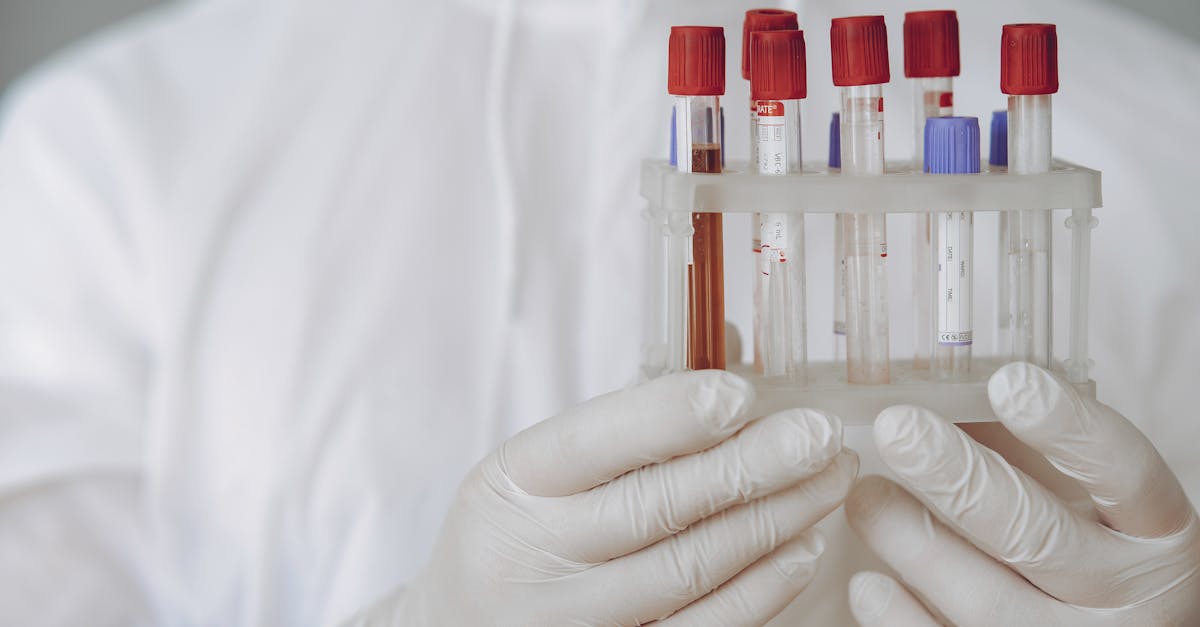
Alcohol can damage the gut lining, leading to various issues.
===
Alcohol consumption has long been a topic of discussion regarding its effects on health, particularly its impacts on the gut. The gut lining, which plays a crucial role in digestion and overall health, can be significantly affected by alcohol intake. Understanding how alcohol interacts with the gut lining is essential for comprehending broader health implications. This article delves into the relationship between alcohol and gut health, exploring the mechanisms that lead to potential damage.
Understanding the Impact of Alcohol on Gut Health
The gut lining acts as a barrier, regulating what enters the bloodstream while helping to absorb nutrients. Alcohol can compromise this barrier, leading to increased permeability, commonly referred to as "leaky gut." When the gut lining is damaged, it allows undigested food particles and toxins to pass through the intestines and enter the bloodstream, which can trigger inflammatory responses and contribute to various health issues.
Research indicates that chronic alcohol consumption can lead to significant alterations in gut microbiota, which are the trillions of microorganisms residing in the intestines. These changes can lead to dysbiosis, a condition where the balance of gut bacteria is disrupted, potentially resulting in gastrointestinal disorders, metabolic issues, and even mental health concerns. This highlights the interconnectedness of gut health and overall well-being, emphasizing the importance of maintaining a healthy gut lining.
Moreover, the impact of alcohol on gut health is not limited to heavy drinkers; even moderate consumption can have detrimental effects. Studies have shown that regular alcohol intake, even in moderate amounts, can lead to inflammation and oxidative stress, further contributing to gut lining damage. As a result, understanding these effects is crucial for individuals who consume alcohol and for healthcare professionals working to promote gut health.
Exploring the Mechanisms Behind Alcohol and Gut Lining Damage
The primary mechanism through which alcohol affects the gut lining involves its direct toxicity to gut cells. Ethanol, the active component in alcoholic beverages, can cause apoptosis, or programmed cell death, in gut epithelial cells. This loss of cells can impair the gut lining's protective functions, making it less effective at preventing harmful substances from entering the bloodstream. Inflammation plays a significant role here; when gut cells are damaged, the body responds with an inflammatory reaction that can exacerbate the condition.
Another critical factor is the production of acetic acid and other metabolites during alcohol metabolism. These substances can alter the gut environment, increasing acidity and affecting the balance of beneficial bacteria. This shift can lead to an overgrowth of pathogenic bacteria, further damaging the gut lining and potentially leading to a cycle of inflammation and dysfunction. The resulting dysbiosis can have far-reaching effects on digestion, nutrient absorption, and even immune function.
Furthermore, alcohol can contribute to the production of reactive oxygen species (ROS), leading to oxidative stress within the gut. Oxidative stress is known to damage cellular components, including lipids, proteins, and DNA, which can result in further injury to the gut lining. This multifaceted approach—the combination of direct cellular damage, changes in microbiota, and oxidative stress—helps explain why alcohol consumption poses a significant risk to gut health.
===
In conclusion, the relationship between alcohol and the gut lining is complex and multifaceted. Understanding the mechanisms through which alcohol affects gut health is vital for both individuals and healthcare professionals. Given the potential for alcohol to disrupt gut integrity and contribute to a range of health issues, it is important to promote awareness about responsible consumption. Individuals are encouraged to consult healthcare professionals for guidance tailored to their specific health needs, as everyone may respond differently to alcohol consumption and its effects on gut health.