
Why Does Acne Impact Self-Confidence
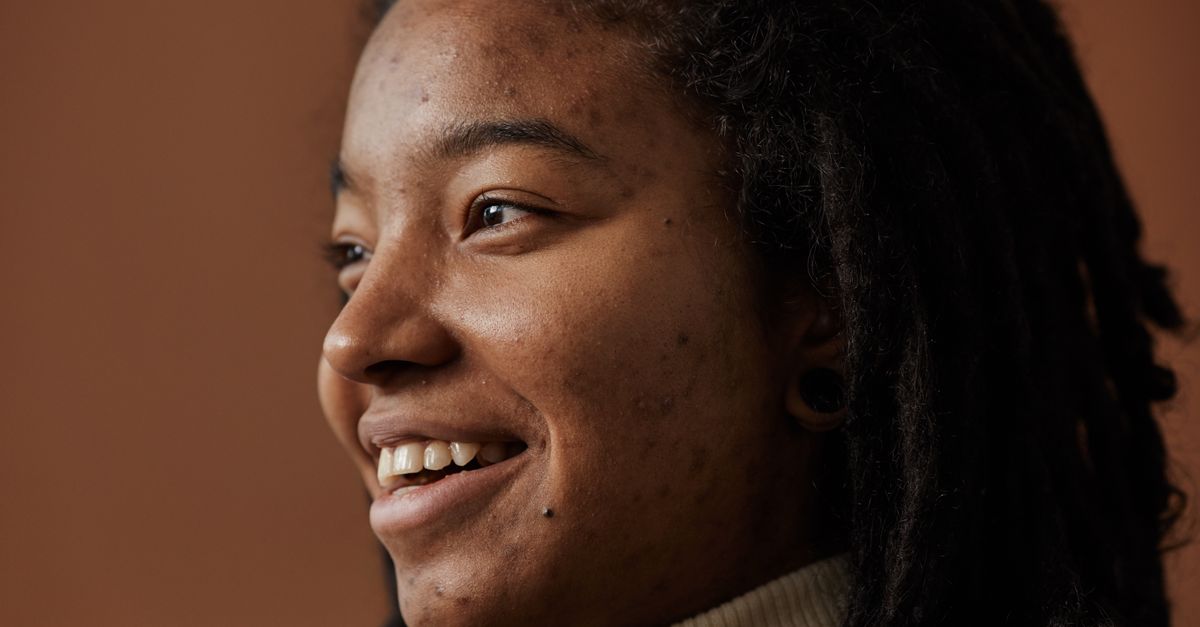
Acne can profoundly affect how individuals view themselves.
Acne is a common skin condition that affects millions around the world, particularly during adolescence. Beyond its physical manifestations, it can profoundly influence self-esteem and self-image. This article explores the psychological implications of acne and the social stigma surrounding it, shedding light on why this condition can severely impact self-confidence.
The Psychological Effects of Acne on Self-Image and Confidence
The appearance of acne can lead to a cascade of negative thoughts and feelings about oneself. Research indicates that individuals suffering from this condition often report feelings of shame, embarrassment, and frustration. This emotional turmoil can be particularly pronounced during formative years when individuals are more susceptible to peer influence and approval. As a result, many may withdraw from social interactions or avoid certain situations, further isolating themselves and exacerbating feelings of inadequacy.
Furthermore, acne can distort one’s self-image, leading to a critical internal dialogue. Many individuals become hyper-aware of their skin and may feel that their worth is tied to their appearance. According to a study published in the Journal of Investigative Dermatology, those with acne are at higher risk of developing anxiety and depression. This psychological burden can hinder personal development and affect various aspects of life, including academic performance and relationships.
Coping mechanisms often vary; some individuals may resort to covering their skin with makeup or seek dermatological treatments, while others may hide behind their insecurities. The pressure to conform to societal beauty standards can lead to a cycle of low self-esteem, where the desire for clear skin becomes an overwhelming fixation. The psychological ramifications of acne extend far beyond the skin, influencing how individuals perceive themselves and interact with the world around them.
Understanding the Social Stigma Surrounding Acne and Its Impact
The social stigma associated with acne can significantly contribute to the decline in self-confidence among affected individuals. Society often places a premium on flawless skin, equating it with beauty and desirability. This perspective is reinforced by media portrayals that frequently showcase individuals with perfect complexions, leaving those with acne feeling marginalized and judged. A survey conducted by the American Academy of Dermatology found that a substantial number of respondents believe that individuals with acne are less attractive, which can reinforce negative self-perceptions.
Additionally, the stigma surrounding acne can manifest in subtle yet damaging ways, such as teasing or judgment from peers. This can lead to social withdrawal or avoidance behaviors, as individuals may fear being ridiculed for their skin condition. A publication in the British Journal of Dermatology suggests that the experience of stigma can lead to a decrease in overall mental well-being, creating a cycle where mental health issues further exacerbate the perception of acne.
Furthermore, the rise of social media has created a platform where unrealistic beauty standards are amplified, contributing to the perception that clear skin is a mark of worthiness. The constant comparison to curated images can lead individuals to internalize feelings of inadequacy, further diminishing their self-confidence. As people navigate the complexities of their self-image, the external pressures of societal beauty norms can create a challenging environment for those struggling with acne.
In conclusion, acne has far-reaching implications that extend beyond physical appearance, affecting self-confidence and mental health. The psychological effects of dealing with acne can be profound, with many individuals experiencing shame and a negative self-image. Moreover, the pervasive social stigma surrounding acne only compounds these challenges, making it essential to foster understanding and empathy towards those affected. As awareness grows, it is crucial to encourage open discussions about acne and its psychological impacts, promoting a society that values individuals for who they are, beyond their skin.