
Why Do Hormonal Imbalances Trigger Acne
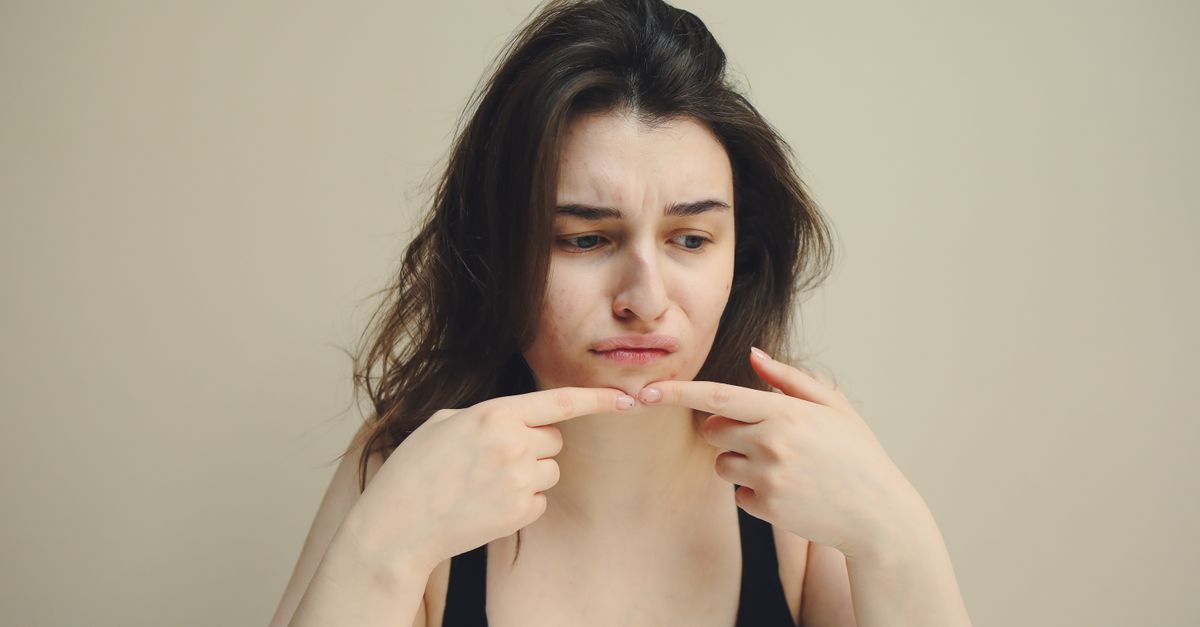
Hormonal imbalances can significantly influence acne development.
Hormonal imbalances are a significant factor in many skin conditions, particularly acne. While commonly associated with adolescence, acne can persist or even emerge in adulthood due to various hormonal shifts. Understanding the connection between hormones and acne is crucial for effective management and treatment. This article delves into how hormonal fluctuations can lead to acne formation, exploring the underlying mechanisms and impacts on skin health.
Understanding the Connection Between Hormones and Acne
Hormones play a pivotal role in regulating many bodily functions, including skin health. Androgens, a group of hormones that includes testosterone, are particularly influential in the development of acne. These hormones stimulate sebaceous glands in the skin to produce more oil (sebum). An excess of sebum can clog pores, trapping bacteria and leading to inflammation—key contributors to acne formation. Thus, hormonal imbalances that elevate androgen levels can create a breeding ground for acne.
In addition to androgens, other hormones such as estrogen and progesterone also influence skin conditions. Women, for instance, may experience acne flare-ups due to hormonal changes related to menstrual cycles, pregnancy, or menopause. Fluctuations in these hormones can alter sebum production and skin cell turnover rates, further contributing to acne. Researchers have noted that the timing of these hormonal changes often correlates with the emergence of acne in women, emphasizing the need for a nuanced understanding of hormonal interactions.
Another crucial aspect is the psychological impact of hormonal acne. Individuals suffering from acne often experience stress, which can exacerbate hormonal fluctuations. This creates a vicious cycle, as stress-induced hormones like cortisol can further increase oil production and inflammation. Understanding these interrelated factors is essential for developing a comprehensive approach to acne treatment and management.
The Role of Hormonal Fluctuations in Skin Health
Hormonal fluctuations can occur due to various factors, including stress, diet, lifestyle changes, and underlying medical conditions. For example, polycystic ovary syndrome (PCOS) is a condition that can lead to significant hormonal imbalances, often resulting in acne. Women with PCOS typically exhibit elevated androgen levels, which can also lead to additional symptoms such as hair growth and irregular menstrual cycles. Recognizing the role of such conditions is vital for understanding and addressing the root causes of hormonal acne.
Moreover, the skin's microbiome also plays a role in the interaction between hormones and acne. The balance of bacteria on the skin can be influenced by hormonal changes, which may lead to an imbalance that favors the proliferation of acne-causing bacteria. Research suggests that maintaining a healthy microbiome could help mitigate some of the effects of hormonal imbalances, highlighting the importance of integrative approaches in managing acne.
Finally, understanding the timing of hormonal fluctuations is essential for managing acne effectively. Professionals often recommend tracking acne outbreaks in relation to the menstrual cycle or other hormonal changes. Such tracking can aid in tailoring treatments to specific times when patients are more likely to experience flare-ups, emphasizing a personalized approach to skin health. This not only supports effective management but also empowers individuals by providing insights into their unique hormonal patterns.
Hormonal imbalances are a significant contributor to acne, with complex interactions affecting skin health. By understanding the connection between hormonal fluctuations and acne formation, individuals can better navigate treatment options and lifestyle adjustments. Although hormonal acne can be particularly challenging, ongoing research and a growing understanding of the underlying factors hold promise for more effective management strategies. As always, consulting with qualified healthcare professionals is crucial for tailored advice and treatment.