
Why Do Athletes Get Frequent Injuries
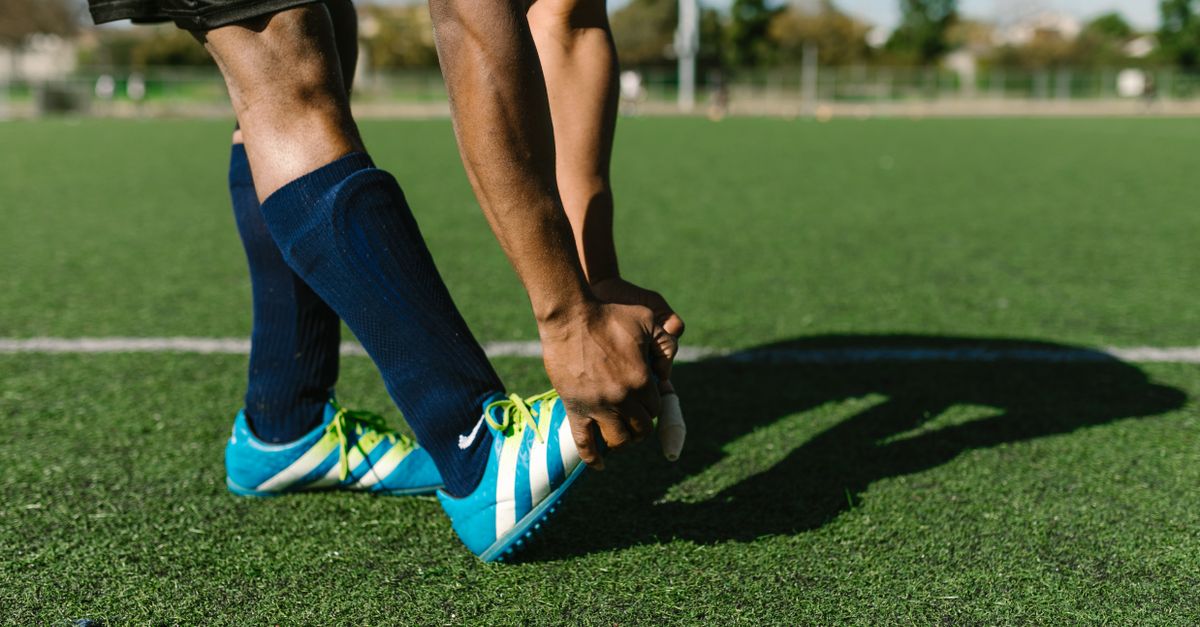
Athletes face frequent injuries due to intense training and competition.
===INTRO:=== Athletes are often celebrated for their extraordinary feats of strength, speed, and skill. However, alongside their achievements, the specter of injuries looms large. From sprained ankles to torn ligaments, these injuries can sideline athletes at any moment, affecting their performance and career longevity. Understanding the reasons behind the frequency of these injuries can illuminate not only the risks associated with high-level sports but also how to mitigate them.
Understanding the Common Causes of Sports Injuries in Athletes
Injuries in athletes can stem from a variety of sources, but one of the most prominent factors is the physical demands placed on their bodies during training and competition. Many athletes push their limits, often ignoring the signs of fatigue or strain. This relentless pursuit of excellence can lead to overuse injuries, which occur when repetitive motion places excessive stress on muscles, tendons, or joints. Research indicates that approximately 50% of all sports injuries are classified as overuse injuries, highlighting a critical area of concern for athletes and coaches alike.
Another significant contributor to injury frequency is the lack of proper technique or form during performance. An athlete's mechanics play a crucial role in how forces are distributed across their body. Poor technique not only increases the risk of injury but can also exacerbate existing weaknesses or imbalances. For example, improper running form can lead to knee injuries, while incorrect lifting techniques in weight training can result in back injuries. Coaches and trainers must prioritize educating athletes on the importance of technique to help mitigate these risks.
Finally, the psychological factors involved in competition can not be overlooked. Athletes often experience immense pressure to perform, which can lead to a mindset that prioritizes competition over safety. This often manifests in a reluctance to report pain or discomfort, resulting in injuries going unaddressed until they become more severe. The impact of mental health on physical performance is an evolving field of study, but understanding this relationship is vital for minimizing injury rates among athletes.
The Impact of Training, Equipment, and Recovery on Injury Rates
Training regimens that lack balance can significantly increase the likelihood of injuries. Many athletes engage in rigorous training schedules that prioritize skill development and conditioning over adequate recovery. A well-structured training program should include not only physical conditioning but also rest days and varied exercises to prevent overuse injuries. Studies have shown that athletes who incorporate rest and cross-training into their routines experience fewer injuries, suggesting that a holistic approach to training is essential.
The role of equipment cannot be understated when discussing sports injuries. Gear that is outdated, poorly fitted, or unsuitable for the specific sport can lead to a higher incidence of injuries. For instance, improperly fitting shoes can contribute to foot and ankle injuries, while inadequate protective gear can increase the risk of trauma in contact sports. Recent advancements in sports technology have led to the development of more effective equipment designed to offer better support and protection. However, athletes must also be educated on the importance of choosing the right gear for their specific needs.
Recovery practices are equally vital in minimizing injuries. Adequate recovery helps the body heal and adapt to the stresses of training. Techniques such as stretching, massage, and physical therapy can aid in recovery, while nutrition plays a crucial role in repairing tissues and refueling the body. A study published in the Journal of Sports Medicine found that athletes who prioritize recovery are less prone to injuries compared to those who neglect this aspect. It is essential for athletes and coaches to recognize that recovery is not a luxury but a necessity in maintaining long-term health and performance.
===OUTRO:=== The frequency of injuries among athletes is multifaceted, influenced by training practices, psychological pressures, equipment choices, and recovery protocols. By understanding these contributing factors, athletes and their support teams can better prepare for and potentially prevent injuries. Prioritizing education, technique, and overall well-being can pave the way for safer athletic endeavors, allowing athletes to continue pushing their limits while minimizing the risk of injury. In a world where sports continue to evolve, a proactive approach to injury prevention is essential for the health and longevity of athletes across all disciplines.