
Why Do Acne Treatments Cause Dryness
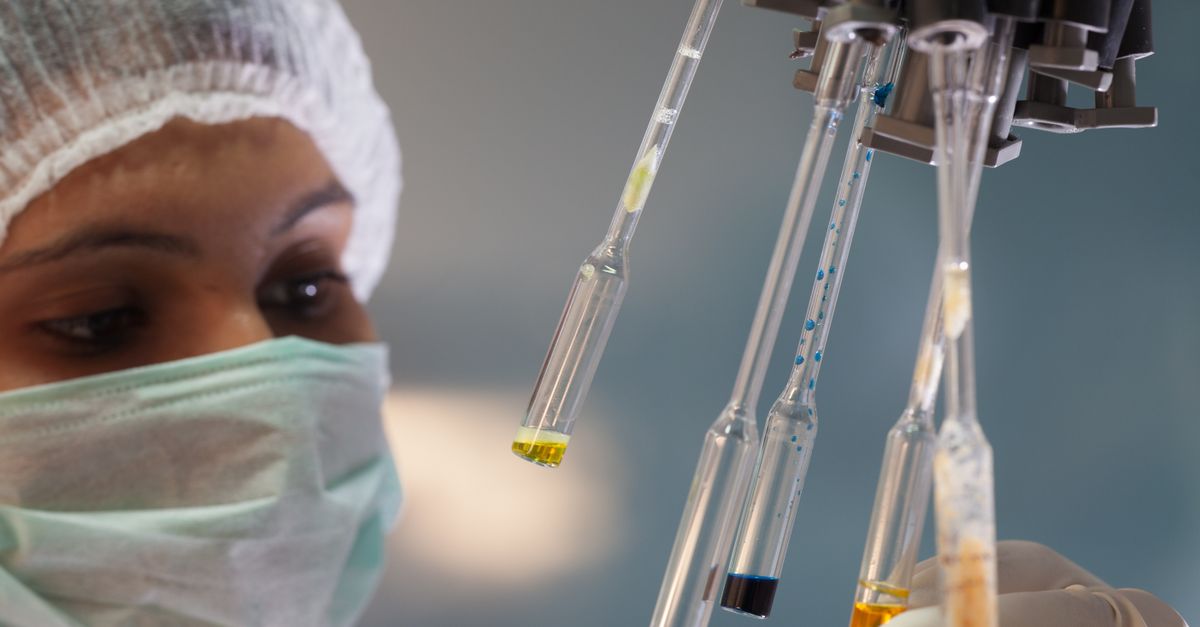
Acne treatments often lead to skin dryness; here’s why.
Acne is a common skin condition that affects millions worldwide, leading many to seek effective treatments to manage breakouts. However, one common side effect of these treatments is skin dryness. Understanding why acne treatments can lead to dryness is essential for anyone navigating the variety of available options. This article explores the underlying mechanisms behind this phenomenon and discusses how to maintain a balanced skincare routine.
Understanding the Mechanisms Behind Acne Treatment Dryness
Many acne treatments, including topical retinoids and benzoyl peroxide, work by reducing oil production and accelerating skin cell turnover. While these mechanisms are effective in targeting acne, they can strip the skin of essential moisture. When the skin's natural oils are diminished, it often leads to a feeling of tightness and flakiness, which is particularly noticeable in individuals with sensitive skin.
Moreover, certain ingredients found in acne medications, such as alpha hydroxy acids (AHAs) and salicylic acid, are known for their exfoliating properties. While they help unclog pores, their aggressive action can compromise the skin barrier. A compromised skin barrier is less effective at retaining moisture, which can exacerbate dryness and irritation, creating a vicious cycle that may deter individuals from continuing their treatment regimen.
Additionally, some systemic treatments, like oral antibiotics or hormonal therapies, can also contribute to skin dryness as a side effect. These medications can alter the body's natural balance, affecting moisture levels in the skin. Understanding these mechanisms can help patients and healthcare providers better navigate treatment plans and manage skin dryness effectively.
Balancing Efficacy and Hydration in Skin Care Routines
To combat the dryness associated with acne treatments, it's crucial to develop a balanced skincare routine that incorporates hydration. Using non-comedogenic moisturizers can provide the skin with much-needed moisture without clogging pores. Ingredients like hyaluronic acid, glycerin, or ceramides can be particularly beneficial, as they help attract and retain moisture in the skin.
Furthermore, it’s advisable to apply moisturizers immediately after cleansing or applying acne treatments. This strategy can help lock in moisture and form a protective barrier on the skin. Many dermatologists recommend waiting for a few minutes after applying topical medications before layering on moisturizers to minimize the risk of dilution and maintain the efficacy of the acne treatment.
Lastly, considering lifestyle factors such as diet, hydration, and environmental conditions can also significantly influence skin health. Drinking adequate water, consuming a balanced diet rich in vitamins and antioxidants, and using a humidifier in dry environments can contribute positively to skin hydration. Consulting with a dermatologist can lead to tailored advice on managing dryness while effectively treating acne.
In summary, while acne treatments are often necessary for managing breakouts, they can lead to dryness due to their active ingredients and mechanisms of action. By understanding why this occurs and implementing a balanced skincare routine, individuals can mitigate dryness and promote healthier skin. As always, it is advisable to consult healthcare professionals to find the most suitable treatment plan tailored to individual needs.