
Why delayed responses lead to patient drop-offs in clinics
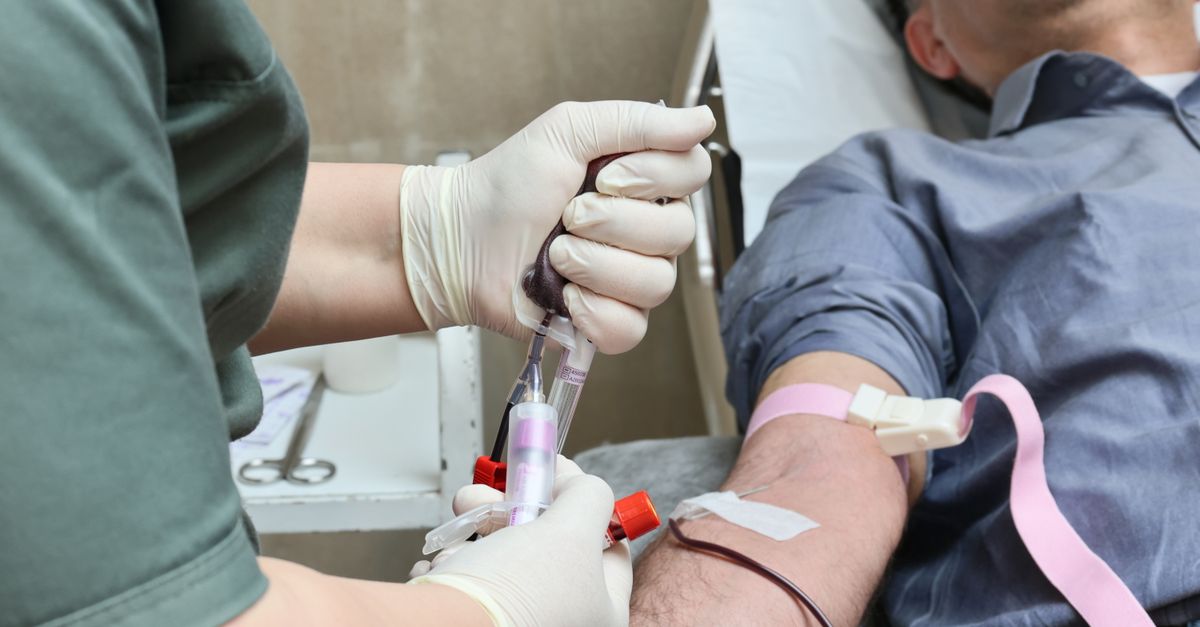
Delayed responses in clinics can significantly impact patient retention.
In the healthcare sector, efficient communication is paramount for building strong relationships between patients and clinics. Delayed responses can significantly hinder this relationship, often resulting in patient dissatisfaction and eventual drop-offs. Understanding the reasons behind these delayed responses and their cascading effects is essential for clinics looking to maintain patient loyalty. This article delves into the impact of delayed responses on patient retention and offers strategies to enhance communication within clinics.
Understanding the Impact of Delayed Responses on Patient Loyalty
Delayed responses can lead to a sense of neglect among patients, fostering feelings of frustration and undervaluation. When patients reach out for appointments, test results, or general inquiries, they expect timely feedback. Research indicates that a significant portion of patients report feeling anxious when they do not receive prompt responses. This anxiety can lead to diminished trust in the clinic's abilities to address their healthcare needs effectively.
Moreover, in a competitive healthcare landscape, patients have numerous options for providers. A delay in communication can easily prompt them to seek alternative clinics that promise quicker responses. According to a study published in the Journal of Healthcare Management, over 40% of patients indicated they would consider switching providers if their calls or messages went unanswered for extended periods. This trend underscores the importance of timely communication as a critical component of patient loyalty.
Finally, delayed responses can create a ripple effect within the clinic's operations. Frustrated patients may leave negative reviews online, which can tarnish the clinic's reputation and deter potential patients. Additionally, poor communication can lead to misunderstandings regarding appointments or treatments, further exacerbating patient dissatisfaction. In this way, the consequences of delayed responses extend beyond immediate patient interactions, impacting the overall image of the clinic.
Strategies to Improve Communication and Retain Patients in Clinics
To combat the issue of delayed responses, clinics can implement various communication strategies aimed at enhancing patient engagement. One effective approach is to utilize technology, such as automated messaging systems or patient portals, which can provide immediate acknowledgment of inquiries. These systems can send notifications regarding appointment confirmations, reminders, or test results, ensuring patients feel heard and valued right from the outset.
Moreover, training staff in effective communication techniques is crucial. Ensuring that all team members understand the importance of prompt responses can foster a culture of accountability and patient-centered care. Regular staff meetings can be a platform for discussing communication challenges and brainstorming solutions, reinforcing the commitment to timely patient interactions as a shared responsibility.
Lastly, gathering feedback from patients about their communication experiences can be invaluable. Surveys and feedback forms can help clinics identify specific areas where they may be falling short. Utilizing this information not only highlights patient concerns but also demonstrates to patients that their opinions matter. Implementing changes based on feedback fosters a sense of partnership between the clinic and its patients, ultimately leading to greater retention and loyalty.
In summary, delayed responses can pose significant risks to patient loyalty, leading to dissatisfaction and potential drop-offs in clinics. By understanding the impact of communication delays and implementing strategic improvements, healthcare providers can enhance patient experiences and foster long-term relationships. The key lies in recognizing communication as an essential element of patient care, one that warrants attention and continuous enhancement. As clinics look to build a loyal patient base, prioritizing timely and effective communication will be vital in navigating an increasingly competitive healthcare landscape.