
Who Should Get Screened for Colon Health
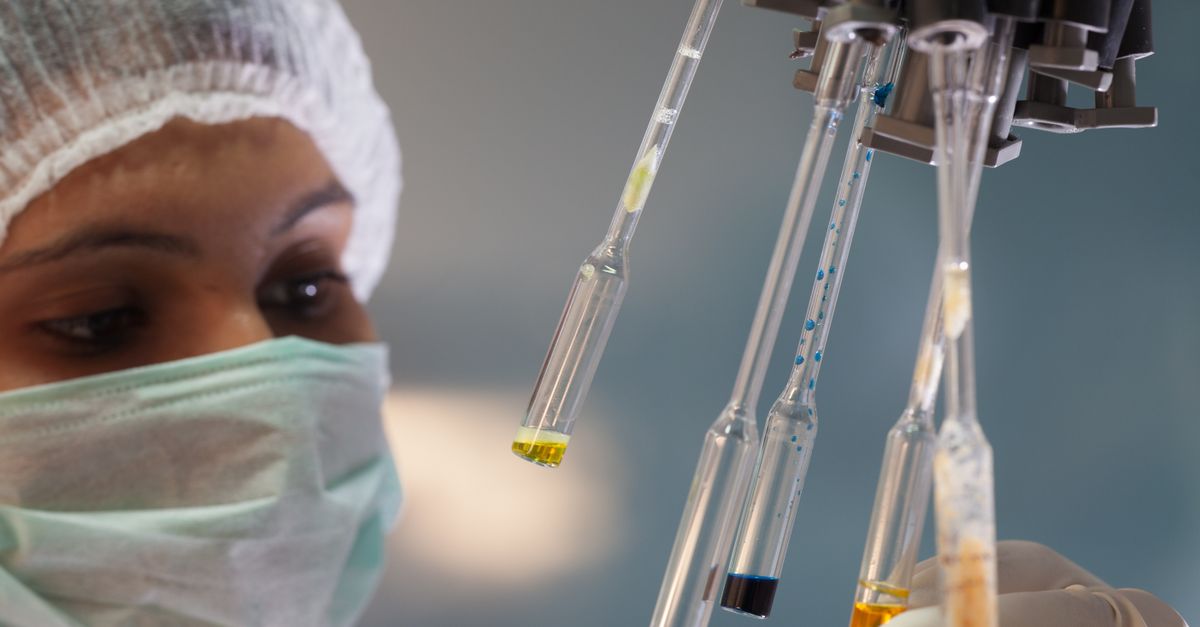
Understanding who needs colon health screenings is essential.
===
Colon health screenings play a crucial role in detecting potential issues early, including precancerous conditions and colorectal cancer. With an increasing incidence of these health concerns globally, understanding who should get screened and when is vital for effective prevention and treatment. This article aims to provide insights into the importance of colon health screenings and identify key groups that should consider these evaluations.
Understanding the Importance of Colon Health Screenings
Screenings for colon health are essential as they can detect abnormalities before they develop into more serious conditions. Colorectal cancer is one of the leading causes of cancer-related deaths worldwide, but the prognosis improves dramatically with early detection. Regular screenings can identify polyps, which are growths on the inner lining of the colon that may become cancerous over time. By removing these polyps during screening, the risk of developing colorectal cancer can be significantly reduced.
Furthermore, screening can help identify other potential issues such as inflammatory bowel diseases and diverticulosis. These conditions may not always present with noticeable symptoms until they have progressed to a more severe state. Regular screening allows for monitoring and managing these diseases more effectively, thereby improving overall gastrointestinal health. Public awareness about the importance of screenings is crucial in reducing the stigma and fear often associated with these procedures.
Lastly, colon health screenings can contribute to a better understanding of individual risk factors related to lifestyle and family history. As research continues to evolve, healthcare professionals can offer personalized recommendations based on a patient's unique background, potentially leading to more effective preventative measures and treatment plans.
Key Groups Who Should Consider Colon Health Screening
The general recommendation is that individuals should begin regular screenings for colorectal cancer at age 45. However, certain groups may need to start earlier. Those with a family history of colorectal cancer or polyps, particularly first-degree relatives, should discuss their screening options with a healthcare provider, as genetic factors significantly increase their risk. Additionally, individuals with a personal history of inflammatory bowel disease, such as Crohn's disease or ulcerative colitis, are advised to begin screenings earlier and continue them more frequently.
Other high-risk populations include individuals with specific genetic syndromes, such as Lynch syndrome or familial adenomatous polyposis (FAP), which predispose them to colorectal issues. These individuals may require a more aggressive screening schedule, often starting in their teenage years. Engaging with a genetic counselor or a specialized healthcare provider can help assess risk levels and determine appropriate screening timelines.
Moreover, lifestyle factors cannot be overlooked. Individuals with obesity, a sedentary lifestyle, a diet high in red or processed meats, or a history of smoking are also at increased risk for colorectal issues. These groups should consult with their healthcare professionals about personalized screening plans, emphasizing the need for proactive measures in managing their health.
===
Colon health screenings are a vital component of preventive healthcare, especially for those at higher risk of colorectal issues. By understanding the importance of these screenings and identifying key groups who should consider them, we can foster a more informed public. Early detection can lead to better outcomes, and as awareness grows, so too does the potential for reducing the burden of colorectal diseases. Always consult with qualified healthcare professionals to determine the most appropriate screening schedule based on individual risk factors and health history.