
Who Should Avoid DIY Acne Remedies
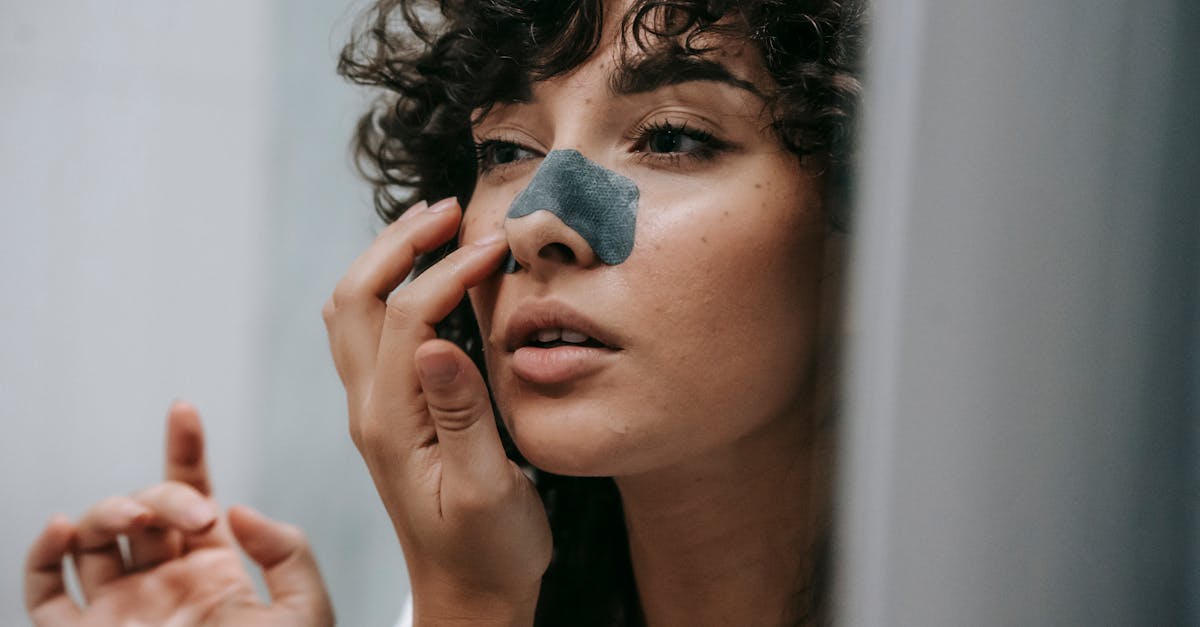
Not everyone's skin responds well to DIY acne treatments.
Acne is a common skin condition that affects millions of people worldwide. While many individuals turn to DIY remedies in search of relief, these approaches can sometimes lead to unintended consequences. Certain populations may face heightened risks when experimenting with homemade acne treatments. Understanding these risks is crucial for making informed decisions about skincare.
Understanding the Risks of DIY Acne Solutions for Some Individuals
DIY acne remedies often rely on natural ingredients and household items, leading many to believe they are safe and effective. However, the reality is more complex. Certain skin types, particularly sensitive or reactive skin, may react negatively to ingredients that are safe for others. For instance, the use of lemon juice, a popular DIY solution, can cause irritation or photosensitivity, leading to further complications. Individuals with conditions like eczema or rosacea should be particularly cautious, as these skin issues can exacerbate the effects of homemade treatments.
Moreover, many DIY acne remedies lack the scientific backing that commercial products do. Without proper clinical trials, it is difficult to ascertain their effectiveness and safety. Ingredients that are typically safe for consumption may not be suitable for topical application. This lack of regulation can lead to serious skin reactions, including allergic reactions or chemical burns, particularly when strong substances like vinegar or certain essential oils are used. Therefore, it is essential to approach DIY solutions with skepticism, recognizing that what works for one person may not work for another.
Lastly, individuals with pre-existing health conditions or those taking particular medications should proceed with caution. Certain medications can cause skin sensitivity, increasing the risk of adverse reactions to DIY treatments. Those undergoing treatments for hormonal imbalances or taking acne medication may have different skin needs that homemade solutions cannot address. Consulting a healthcare professional is always advisable to ensure that any treatment plan aligns with one’s overall health and medical history.
Key Groups Who Should Steer Clear of Home Remedies for Acne
1. Individuals with Chronic Skin Conditions
People diagnosed with chronic skin conditions, such as psoriasis or dermatitis, should avoid DIY acne remedies. These conditions often require specialized treatments aimed at addressing underlying issues rather than surface-level symptoms. Using untested home remedies could worsen their skin condition or lead to flare-ups. Consulting a dermatologist can provide personalized guidance and appropriate treatment options that align with their skin’s unique needs.
2. Those with Allergies or Sensitive Skin
Individuals with known allergies or sensitive skin types are another group that should be cautious about DIY approaches. Ingredients like honey, baking soda, and certain essential oils can trigger allergic reactions in susceptible individuals. Even seemingly harmless items can cause irritation, redness, or inflammation. A patch test is not a foolproof method; thus, those with sensitive skin should prioritize products that are hypoallergenic and dermatologist-approved over unverified home solutions.
3. Pregnant or Nursing Women
Pregnant and nursing women face unique challenges when it comes to skincare. Many ingredients commonly found in DIY acne remedies, such as retinoids and salicylic acid, are contraindicated during pregnancy. These substances can potentially harm the developing fetus or affect breast milk. As such, it’s critical for this group to consult healthcare providers to determine safe and effective treatment options tailored to their specific circumstances.
While DIY acne remedies may seem appealing for their accessibility and cost-effectiveness, they are not suitable for everyone. Individuals with chronic skin conditions, sensitive skin, or those in unique life stages, such as pregnancy, should approach these remedies with caution. It’s always advisable to consult a healthcare professional for appropriate treatments that cater to individual needs, ensuring both safety and effectiveness in managing acne.