
Who Needs Long-Term Monitoring for Cirrhosis
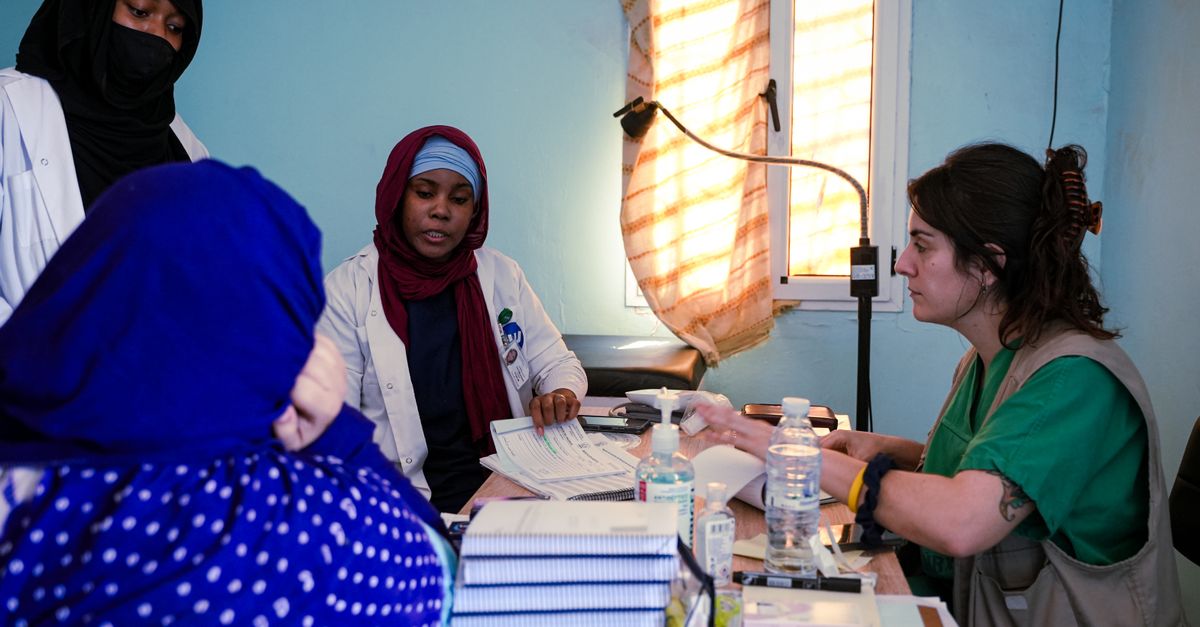
Long-term monitoring is crucial for managing cirrhosis effectively.
Cirrhosis is a progressive liver disease that can have serious health implications if not monitored properly. Long-term monitoring is crucial for specific patient populations to manage complications, evaluate disease progression, and enhance quality of life. Understanding who requires this ongoing oversight is essential for both healthcare providers and patients. As the burden of liver disease continues to grow globally, identifying the right individuals for long-term care becomes increasingly important.
Identifying Patients Who Require Long-Term Cirrhosis Monitoring
Cirrhosis can arise from various causes, including chronic alcohol consumption, viral hepatitis, and non-alcoholic fatty liver disease (NAFLD). Patients diagnosed with advanced liver fibrosis or cirrhosis often need regular monitoring to assess liver function and detect life-threatening complications such as liver cancer or hepatic decompensation. Those with a Child-Pugh score of B or C, which indicates more severe liver dysfunction, are typically flagged for long-term follow-up. Regular screenings through imaging and blood tests are vital in these cases to catch potential complications early.
Additionally, patients with a history of liver-related complications, such as variceal bleeding or ascites, require continuous monitoring. These individuals may benefit from a multidisciplinary approach involving hepatologists, nutritionists, and other specialists to address the complex needs that arise from cirrhosis. Regular consultations can help manage symptoms effectively and enhance the overall treatment experience, ultimately leading to better health outcomes.
Another key group includes patients who have undergone liver transplantation or are on the transplant waiting list. These individuals need long-term follow-up to monitor for potential transplant rejection and to ensure they are adequately prepared for the procedure. The ongoing evaluation of their liver health and overall well-being is crucial in this transitional phase, as it can significantly impact the success of a transplant and the patient’s quality of life.
Key Factors Influencing Long-Term Care for Cirrhosis Patients
Several factors can influence the necessity for long-term monitoring in cirrhosis patients. One of the most critical is the underlying cause of the liver disease. For instance, patients with viral hepatitis B or C require regular monitoring due to the risk of liver cancer associated with these infections. Surveillance through imaging and serum alpha-fetoprotein (AFP) levels might be recommended every six months to one year, depending on specific risk factors. The need for such proactive measures emphasizes the importance of tailored care plans.
Age and comorbidities also play significant roles in determining the intensity and frequency of monitoring. Older adults or those with additional health conditions, such as diabetes or cardiovascular disease, may experience a faster deterioration of liver function. Consequently, these patients might need more frequent evaluations and a more comprehensive approach to managing their overall health. Regular communication between healthcare providers can help ensure that these individuals receive the appropriate level of care.
Finally, lifestyle factors cannot be overlooked. Patients who continue to consume alcohol or engage in high-risk behaviors may find their condition worsening, necessitating stricter monitoring protocols. Education on lifestyle modifications, including diet and abstinence from alcohol, forms an integral part of the long-term management strategy. Effective patient engagement is key to ensuring adherence to monitoring schedules and improving health outcomes in individuals living with cirrhosis.
Long-term monitoring for cirrhosis is a multifaceted process that hinges on a patient's unique circumstances, including the underlying cause of the disease, age, comorbidities, and lifestyle choices. Identifying the right patients for ongoing care is essential in managing this progressive condition effectively. By adhering to established monitoring protocols and fostering a collaborative approach among healthcare professionals, patients can experience improved health outcomes and a better quality of life. As liver disease continues to pose challenges worldwide, continued research and awareness are vital for advancing care strategies and patient education.