
Who Is Vulnerable to Severe Dengue
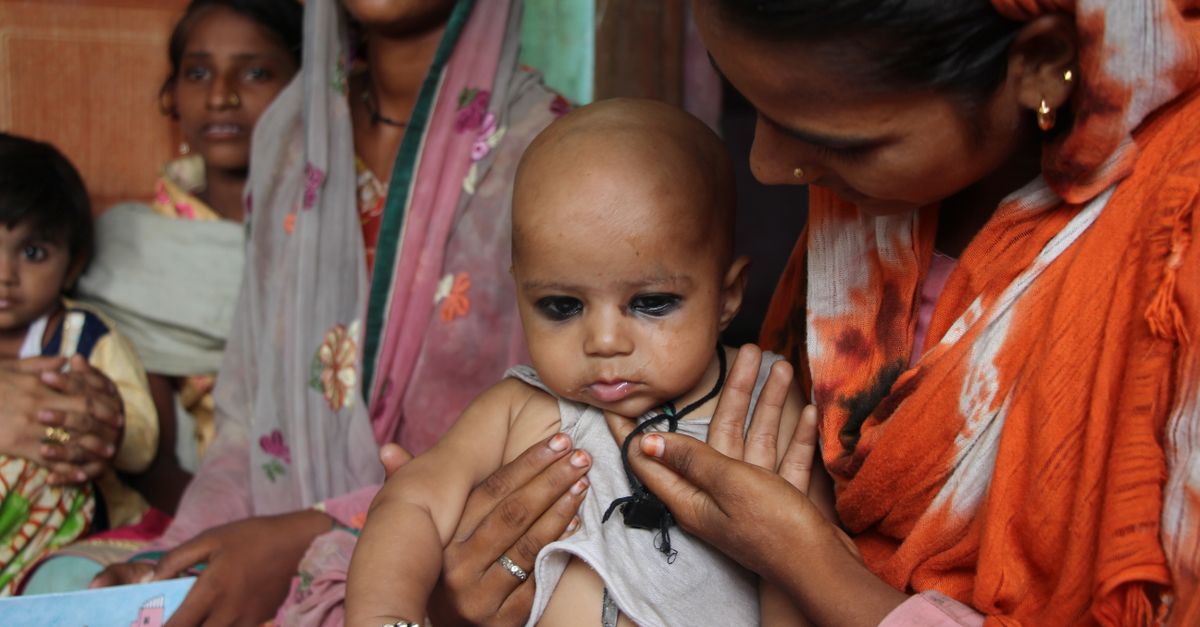
Understanding who is at risk for severe dengue is crucial.
Severe dengue, also known as dengue hemorrhagic fever, poses a significant health threat, especially in tropical and subtropical regions. This article explores the demographics and risk factors that make certain groups more susceptible to the severe form of this viral illness. Understanding who is vulnerable can help in implementing focused public health strategies and preventive measures.
Understanding the Groups Most Affected by Severe Dengue
Certain demographics are more prone to experiencing severe dengue symptoms, particularly children and adolescents. Research indicates that children, especially those under the age of 15, are at a higher risk. This increased vulnerability can be attributed to their developing immune systems, which may not react as effectively to the dengue virus compared to adults. Additionally, when children are infected with a second serotype of the virus, they are at an even greater risk for severe manifestations.
Pregnant women also fall into a vulnerable category. The physiological changes that occur during pregnancy can place additional strain on a woman’s immune system, making her more susceptible to severe dengue. Moreover, if a pregnant woman contracts dengue, there are risks not only to her health but also to the health of her unborn child. Severe cases can lead to complications such as preterm birth and low birth weight.
Elderly individuals represent another demographic at risk due to their generally weakened immune systems. Age-related factors often decrease the body's ability to respond effectively to infections, including viruses like dengue. Older adults may also have comorbidities that can exacerbate the severity of dengue symptoms, making them a critical group for targeted public health interventions.
Key Risk Factors for Developing Severe Dengue Symptoms
Apart from demographic factors, various medical and environmental conditions contribute to the severity of dengue. Individuals with pre-existing health conditions such as diabetes, hypertension, or heart disease are more likely to experience severe dengue. The interplay between these chronic conditions and the dengue virus can lead to complications, necessitating closer monitoring and care for those affected.
Geographical location plays a critical role in susceptibility to severe dengue. Regions with high mosquito populations, particularly Aedes aegypti, are breeding grounds for dengue outbreaks. Urban areas with poor sanitation and overcrowding provide an ideal environment for the proliferation of these mosquitoes. Consequently, individuals living in such conditions are at an increased risk of contracting the virus and potentially experiencing severe outcomes.
Finally, insufficient access to healthcare can exacerbate the risk of severe dengue. In regions where healthcare facilities are limited or where public health awareness is low, individuals may not receive timely interventions. Delayed diagnosis and treatment can significantly increase the chances of developing severe symptoms, highlighting the need for enhanced healthcare infrastructure and education on preventive measures.
Understanding who is vulnerable to severe dengue is crucial for effective public health strategies. Targeting high-risk groups, enhancing healthcare access, and raising awareness can lead to better outcomes in managing this debilitating disease. As the world continues to grapple with dengue outbreaks, informed communities and responsive healthcare systems are essential in mitigating the impact of this virus.