
WHO Highlights Ongoing Zika Virus Threats and Challenges
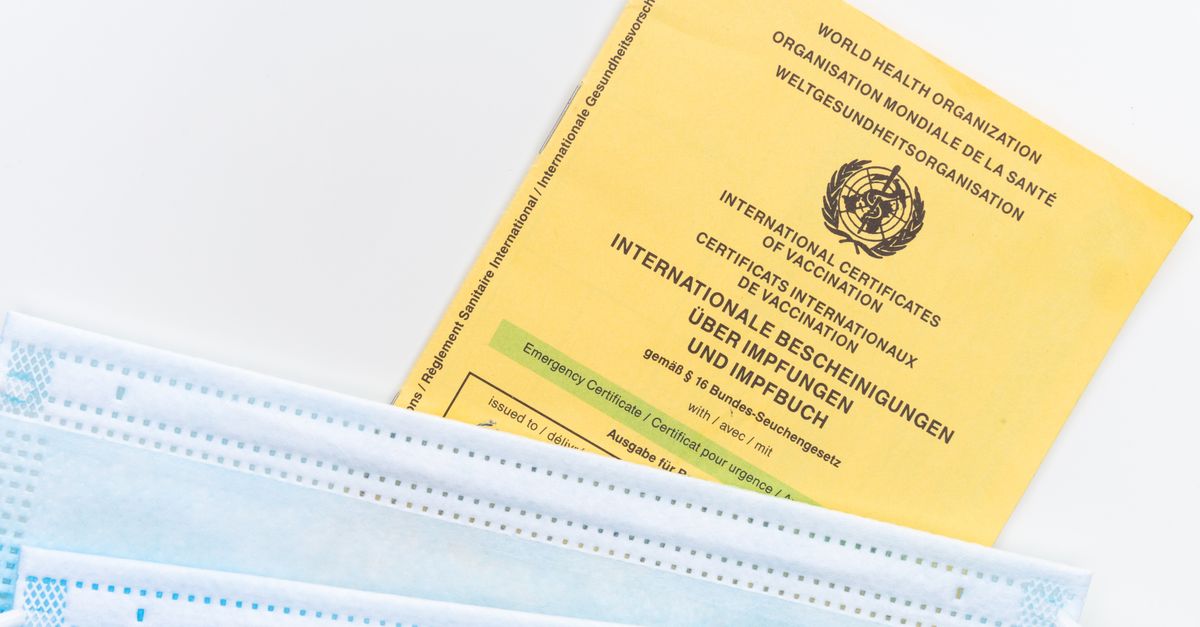
The World Health Organization underscores the persistent threat of the Zika virus and its global health implications.
The World Health Organization (WHO) continues to emphasize the persistent threats posed by the Zika virus, a mosquito-borne disease that has sparked global health concerns since its outbreak in 2015-2016. The virus, primarily transmitted by Aedes mosquitoes, is known for causing severe birth defects such as microcephaly and other neurological disorders.
Global Health Impact of Zika
Since its emergence, Zika has been detected in over 87 countries, with significant outbreaks reported in the Americas, Southeast Asia, and the Pacific Islands. The virus's ability to spread rapidly in regions with dense mosquito populations has made it a focal point for public health initiatives worldwide. The WHO's ongoing surveillance and research efforts aim to monitor and mitigate the virus's impact, particularly in vulnerable regions.
While the number of Zika cases has decreased since the peak years, the virus remains a concern due to its potential to cause outbreaks in areas where it was previously not detected. The WHO warns that changes in climate, urbanization, and travel patterns contribute to the virus's unpredictable spread.
Challenges in Controlling Zika
Efforts to control the Zika virus face several obstacles. One significant challenge is the lack of a specific antiviral treatment or vaccine available for widespread use. Although research is underway, developing a safe and effective vaccine remains a complex and lengthy process. Additionally, the asymptomatic nature of many Zika infections complicates detection and containment strategies.
Public health campaigns emphasize the importance of mosquito control measures, such as eliminating standing water where mosquitoes breed and using insect repellent. Community engagement and education are critical components of these efforts, as local populations play a crucial role in implementing preventive measures.
Research and Future Directions
Ongoing research efforts aim to understand better the Zika virus's transmission dynamics and its long-term health effects. Recent studies focus on the virus's genetic variations and potential links to other diseases. Scientists are also exploring novel vector control methods, including genetically modified mosquitoes, to reduce transmission rates.
The WHO collaborates with international health organizations and governments to strengthen healthcare systems in affected regions, ensuring they are equipped to handle potential outbreaks. The organization urges continued investment in research and public health infrastructure to prevent and respond to future Zika outbreaks effectively.
As the global health community remains vigilant, the lessons learned from past Zika outbreaks inform strategies to combat similar mosquito-borne diseases, highlighting the need for a coordinated and sustained response to emerging infectious threats.