
WHO Highlights Essential Role of Primary Health Care in Global Health
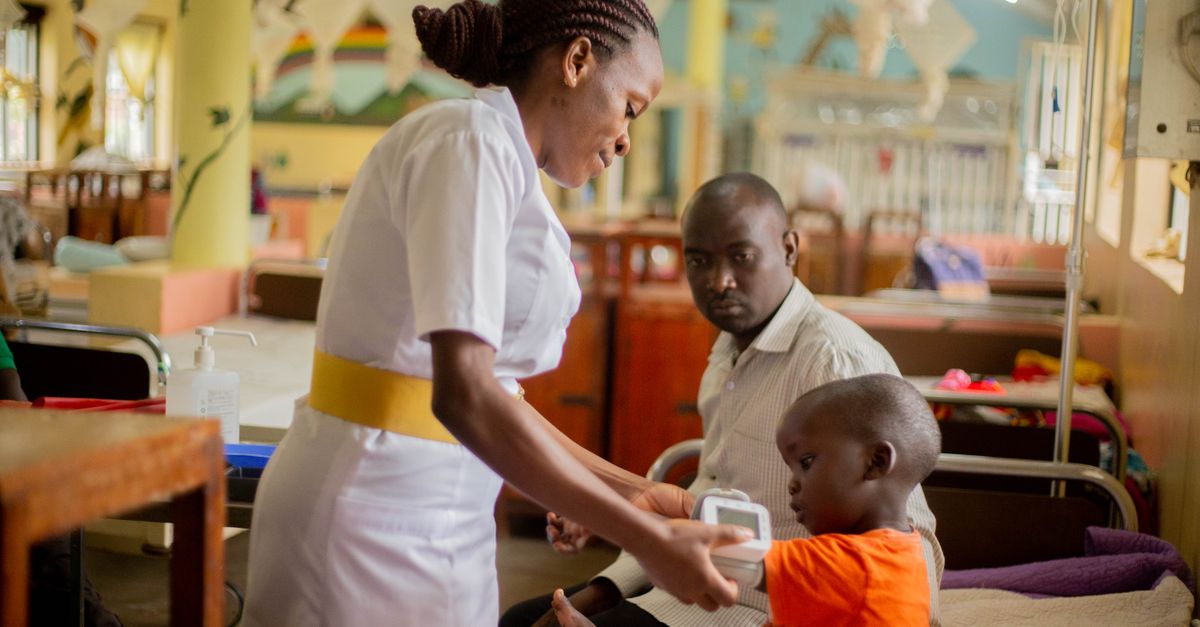
The WHO emphasizes primary health care as crucial for addressing global health challenges and achieving universal health coverage.
The World Health Organization (WHO) has reiterated the significance of primary health care (PHC) as a cornerstone in tackling global health issues and advancing universal health coverage. According to WHO, PHC is essential for improving health outcomes, enhancing healthcare accessibility, and ensuring sustainable health systems worldwide.
Primary Health Care as a Foundation
Primary health care is defined by WHO as a comprehensive, accessible, community-based form of care that meets most individuals' health needs throughout their life. It encompasses health promotion, disease prevention, treatment, rehabilitation, and palliative care. WHO argues that a strong PHC system can address up to 90% of a person's health needs throughout their life.
Dr. Tedros Adhanom Ghebreyesus, WHO Director-General, stated that robust primary health care is vital for achieving universal health coverage and is the first line of defense against health emergencies. He emphasized that investing in PHC can lead to better health outcomes and more efficient health systems.
Challenges and Opportunities
Despite its importance, primary health care faces numerous challenges, including inadequate funding, workforce shortages, and infrastructure deficits, especially in low and middle-income countries. The COVID-19 pandemic has further strained these systems, highlighting the need for resilient health care structures.
However, WHO sees these challenges as opportunities to strengthen PHC. The organization advocates for increased investment in primary care systems and encourages countries to adopt integrated care models that leverage digital technologies and community health workers.
Global Initiatives and Future Directions
WHO is actively working with member states to enhance primary health care services. Initiatives such as the Global Action Plan for Healthy Lives and Well-being for All aim to accelerate progress towards PHC by fostering collaboration among countries and stakeholders.
Looking ahead, WHO calls for a renewed commitment from governments to prioritize PHC in their health agendas. This includes allocating adequate resources, training health workers, and implementing policies that support integrated and patient-centered care models.
As the world grapples with ongoing health challenges, the WHO's focus on primary health care underscores its crucial role in building resilient health systems capable of delivering equitable health services to all.