
Who Can Help Implement Community Mosquito Control
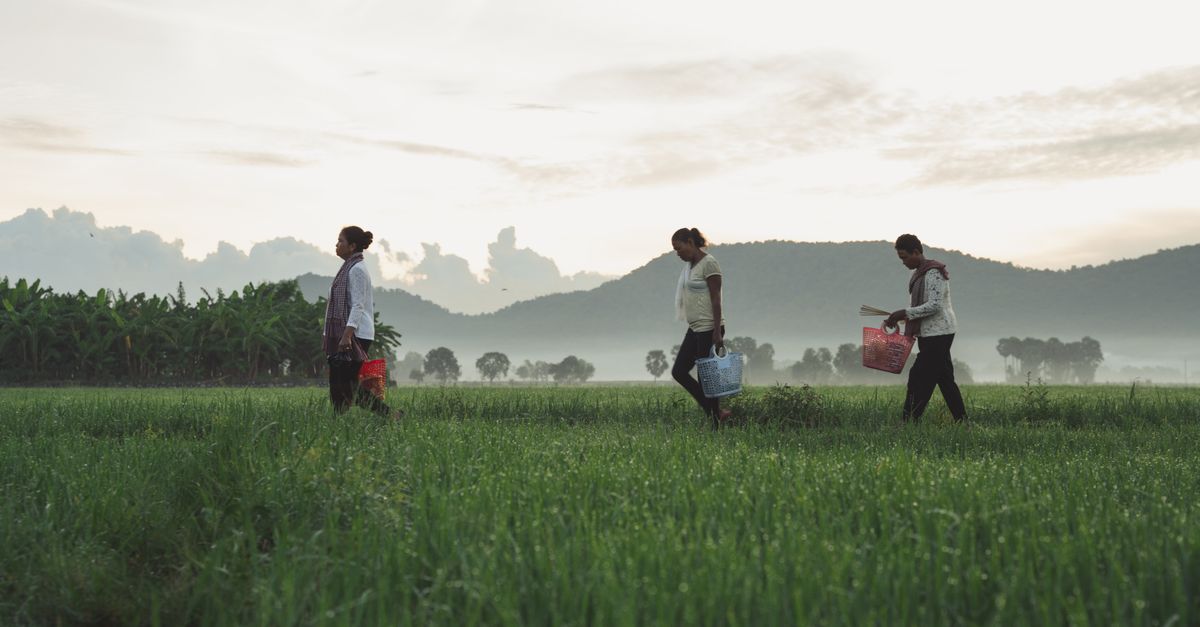
Community efforts can significantly enhance mosquito control initiatives.
Mosquitoes are more than just a nuisance; they are vectors for various diseases, including dengue, malaria, and Zika virus. Effective community mosquito control is essential to mitigate these health risks. This article discusses the key stakeholders involved in implementing mosquito control measures and the importance of collaboration with experts for effective management.
Key Stakeholders in Community Mosquito Control Efforts
Community mosquito control efforts require the participation of multiple stakeholders, each playing a vital role in the implementation of effective strategies. Local government agencies are at the forefront, often tasked with public health responsibilities. These agencies can allocate resources, enforce regulations, and mobilize personnel to carry out mosquito control initiatives. Their involvement is crucial for developing policies that target breeding sites, such as stagnant water, and implementing community education programs to raise awareness about preventive measures.
In addition to local government bodies, non-governmental organizations (NGOs) can also provide essential support. Many NGOs focus on public health and environmental sustainability, working to educate communities on the risks associated with mosquito-borne diseases. They can facilitate grassroots movements to promote community engagement in mosquito control efforts. By fostering collaboration between residents and local authorities, these organizations help ensure that control measures are not only effective but also widely accepted by the community.
Finally, community members themselves are vital stakeholders in mosquito control. Their active participation can significantly influence the success of any initiative. When residents adopt preventative measures—such as eliminating standing water around their homes and using repellents—they contribute directly to reducing mosquito populations. Community engagement also fosters a sense of ownership and responsibility, encouraging residents to be proactive in their environment and health.
Collaborating with Experts for Effective Mosquito Management
To achieve effective mosquito control, collaboration with experts in entomology, public health, and environmental management is crucial. Entomologists, for example, specialize in the study of insects and can provide valuable insights into mosquito behavior, lifecycle, and breeding habits. By leveraging this expertise, community programs can tailor their strategies to target the most problematic mosquito species and implement measures that are scientifically validated to reduce their populations effectively.
Public health officials are also essential in guiding community mosquito control efforts. They can analyze data on disease incidence and mosquito populations to identify high-risk areas and recommend interventions. Furthermore, these officials can evaluate the effectiveness of control strategies and adjust them as needed based on empirical evidence. Their involvement ensures that community efforts are aligned with broader public health objectives and are responsive to emerging threats.
Environmental scientists and urban planners play a critical role in sustainable mosquito management by integrating ecological principles into urban design and land use. Collaborating with these experts can aid in identifying potential mosquito habitats and implementing long-term strategies, such as creating natural drainage systems or maintaining green spaces that discourage standing water. By combining their knowledge, communities can develop holistic mosquito management plans that emphasize both immediate action and sustainable practices.
In conclusion, effective community mosquito control is a multi-faceted endeavor requiring the collaboration of various stakeholders, including local governments, NGOs, community members, and experts. By working together, these entities can develop and implement strategies that not only reduce mosquito populations but also protect public health. As communities become more engaged and informed, the potential for creating a healthier environment free from mosquito-borne diseases becomes increasingly achievable.