
Who Can Donate a Portion of Their Liver
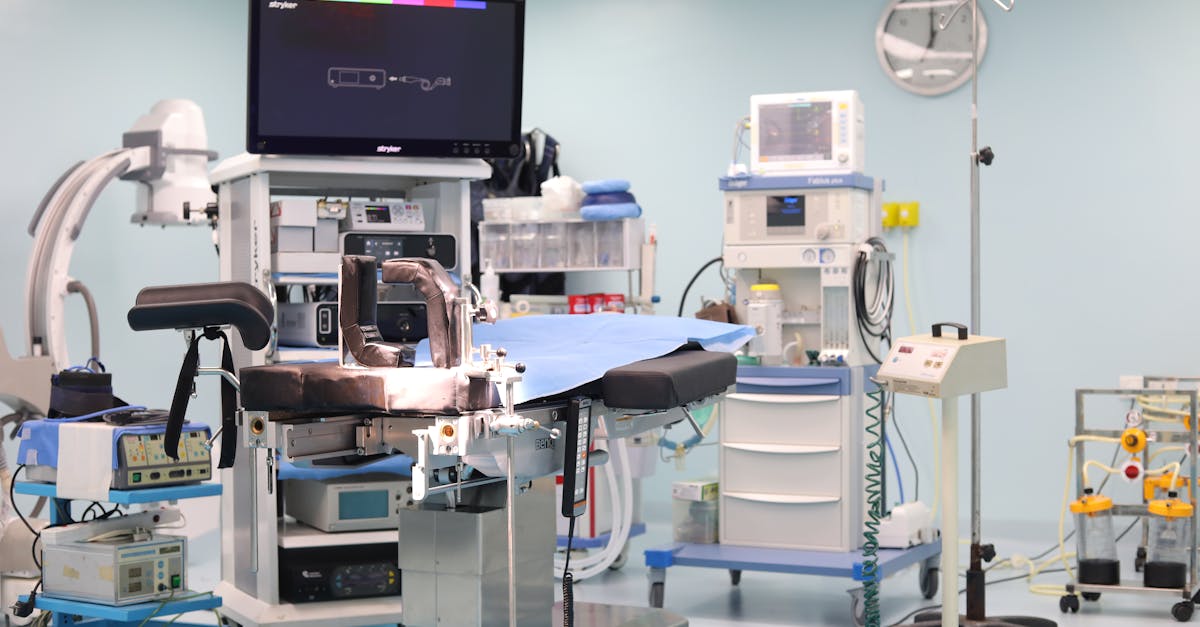
Understanding liver donation criteria is essential for potential donors.
Liver transplantation is a critical procedure for individuals suffering from end-stage liver diseases. In many cases, living donors can provide a portion of their liver, which can regenerate over time. However, not everyone is eligible to donate a part of their liver. Understanding the criteria for potential liver donors is essential for ensuring safe and successful transplants. This article delves into the eligibility criteria for liver donation and key considerations for those contemplating this life-saving act.
Understanding Eligibility Criteria for Liver Donation
To be considered a living liver donor, individuals must meet specific medical and psychological criteria. Generally, potential donors should be between the ages of 18 and 60, with a healthy body mass index (BMI). A thorough medical evaluation is conducted to rule out any underlying health issues such as liver diseases, diabetes, or cardiovascular problems that could complicate the donation process. Blood type compatibility with the recipient is also a prerequisite for a successful transplant.
In addition to physical health, psychological evaluation is critical. Potential donors must demonstrate emotional stability and a clear understanding of the risks involved in the donation process. This includes being fully aware of the recovery process and the possibility of complications. Donors must also voluntarily choose to donate without any coercion, ensuring their motivation is rooted in altruism rather than financial incentive or other pressures.
Moreover, some countries have specific legal requirements regarding liver donation. In India, for instance, the Transplantation of Human Organs Act governs living donations. It emphasizes the need for donor-recipient relationships, such as being a close relative or having a significant emotional bond. These regulations aim to protect both the donor and the recipient, ensuring that the donation process is ethical and consensual.
Key Considerations for Potential Liver Donors Explained
For potential donors, several key considerations extend beyond basic eligibility criteria. The donation process significantly impacts the donor's health, and understanding these implications is crucial. After the donation, the remaining liver tissue typically regenerates within a few months, but donors may experience pain, fatigue, or complications during recovery. These factors must be weighed carefully, as they can influence not only the donor's health but also their social and professional life.
Another critical aspect is the long-term follow-up required post-donation. Donors must commit to regular medical check-ups to monitor their liver health and overall well-being. This follow-up care is essential in detecting any complications early and ensuring the donor’s health remains stable. Potential donors should also consider their support systems during the recovery period, as adequate emotional and physical support can aid in a smoother healing process.
Lastly, the decision to donate a portion of one's liver is deeply personal and can have emotional ramifications. It’s essential for potential donors to engage in discussions with family, friends, or mental health professionals to assess their motivations and any concerns they might have. Altruistic intentions are admirable, but ensuring that the decision is well-informed and emotionally supported is crucial for both the donor and the recipient.
Living liver donation is a commendable act that can save lives, but it is not without its complexities. Understanding the eligibility criteria and key considerations involved in the donation process is vital for anyone contemplating this life-altering decision. Potential donors should engage with healthcare professionals to navigate the medical, emotional, and ethical landscapes of liver donation. Ultimately, informed decisions lead to better outcomes for both donors and recipients, contributing to the ongoing efforts in the field of organ transplantation.