
WHO Bolsters Cross-Border Health Coordination in Africa
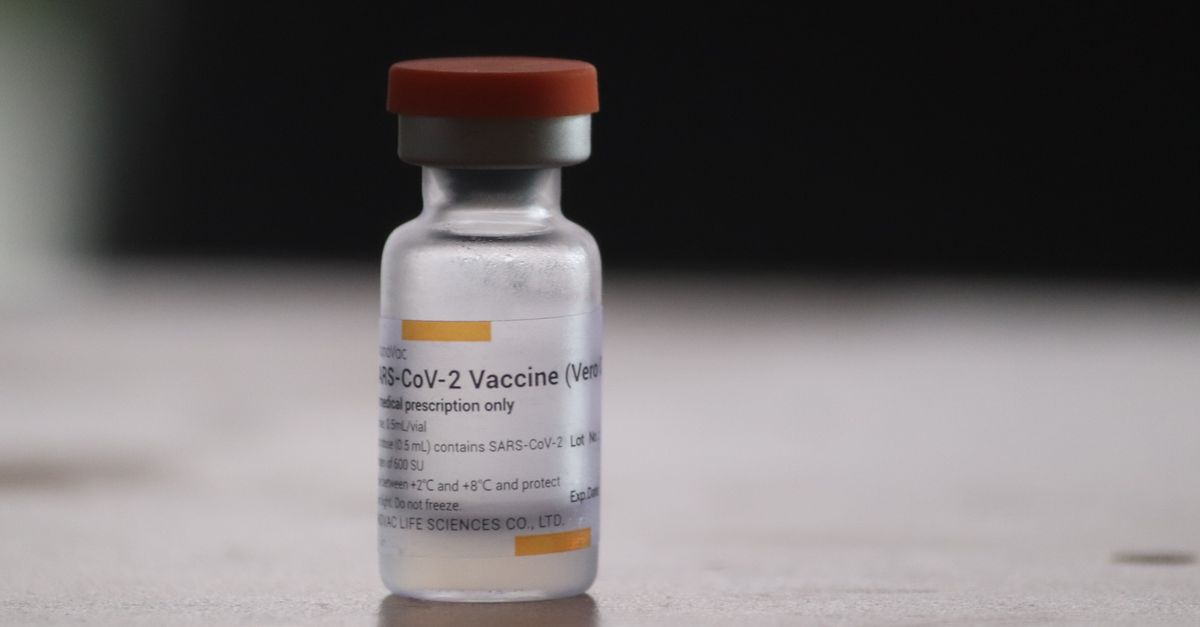
WHO aims to enhance health threat response by improving cross-border coordination in Africa.
The World Health Organization (WHO) Regional Office for Africa is intensifying efforts to strengthen cross-border coordination in tackling health threats across the continent. This initiative is designed to enhance the collaborative response to infectious diseases and other health emergencies that transcend national boundaries.
Addressing Cross-Border Health Challenges
Africa faces unique health challenges due to its vast geography and interconnectedness of communities across borders. The spread of diseases such as Ebola, malaria, and more recently COVID-19, have highlighted the need for robust cross-border health strategies. WHO's efforts aim to build a framework for countries to effectively manage health threats that require a coordinated regional response.
The initiative involves improving information sharing, harmonizing health policies, and establishing joint response mechanisms. By fostering collaboration among neighboring countries, WHO seeks to ensure rapid detection and containment of health threats, minimizing their impact on public health and economies.
Collaborative Efforts and Strategic Partnerships
WHO is partnering with regional health bodies, governments, and non-governmental organizations to implement this cross-border coordination strategy. These partnerships are essential for sharing expertise, resources, and best practices. The joint efforts are expected to lead to more resilient health systems and better-prepared populations.
Training healthcare workers, enhancing surveillance systems, and conducting joint simulations are among the key components of the initiative. These activities aim to boost the capacity of countries to respond swiftly to health emergencies, thereby reducing morbidity and mortality rates associated with infectious diseases.
Outlook for Improved Regional Health Security
The success of this initiative could serve as a model for other regions facing similar challenges. By prioritizing cross-border health coordination, WHO hopes to create a more integrated and effective response system that can adapt to emerging health threats. This approach not only benefits individual countries but also contributes to global health security.
As Africa continues to develop its healthcare infrastructure, the emphasis on regional collaboration will be crucial in managing both current and future health challenges. The WHO's commitment to strengthening these ties is a significant step towards a healthier, more secure future for the continent.