
WHO and Africa CDC Applaud Ebola Vaccine Allocation to Congo
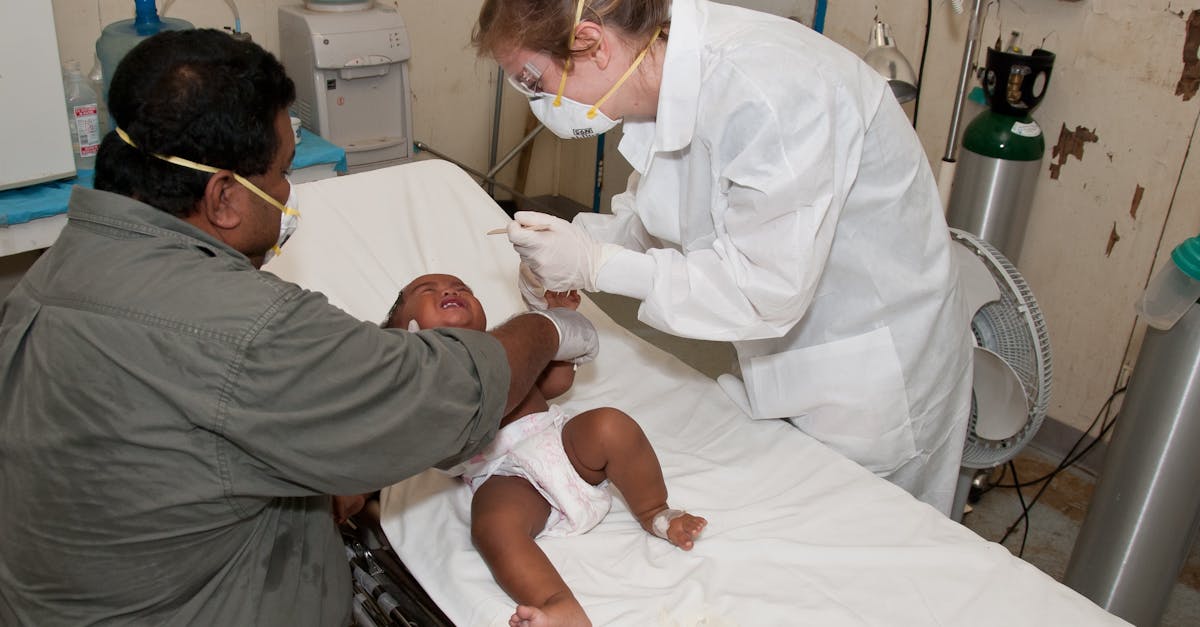
WHO and Africa CDC have endorsed the distribution of Ebola vaccines to the DRC, aiming to curb the ongoing outbreak.
The World Health Organization (WHO) and the Africa Centres for Disease Control and Prevention (Africa CDC) have expressed strong support for the recent allocation of Ebola vaccines to the Democratic Republic of the Congo (DRC). This move is seen as a critical step in addressing the ongoing Ebola outbreak in the region.
Targeted Vaccine Distribution
The vaccine distribution aims to mitigate the spread of the Ebola virus, which has posed a significant health threat in the DRC. The allocation comes as part of a concerted effort by international health organizations to provide effective solutions to regions grappling with the virus. The WHO and Africa CDC have emphasized the importance of timely vaccinations in preventing further outbreaks and safeguarding public health.
The DRC has been one of the countries most affected by Ebola, with several outbreaks recorded over the past few years. The vaccines are expected to play a crucial role in breaking the chain of transmission and bringing the current outbreak under control.
International Support and Collaboration
The allocation of vaccines is a result of collaborative efforts among various international health bodies. The WHO and Africa CDC have worked closely with the Congolese government to ensure that the vaccines are distributed efficiently and reach the most vulnerable populations.
Dr. Matshidiso Moeti, WHO Regional Director for Africa, highlighted the importance of international cooperation in addressing health emergencies. “The allocation of these vaccines is a testament to the power of collaboration and the shared commitment to combatting Ebola,” she stated.
In addition to the WHO and Africa CDC, other organizations have also contributed to the vaccination efforts, demonstrating a unified approach to tackling the Ebola crisis.
Challenges and Future Prospects
Despite the positive step of vaccine allocation, challenges remain. The logistics of distributing vaccines in remote areas, coupled with the need for public awareness campaigns, present significant hurdles. Moreover, the ongoing conflict in certain regions of the DRC complicates the delivery of healthcare services.
However, health officials remain optimistic. The deployment of vaccines is seen as a proactive measure that, if successful, could serve as a model for managing future outbreaks of Ebola and other infectious diseases in Africa and beyond.
With the backing of global health organizations, the DRC is poised to make significant strides in controlling the current outbreak, potentially setting a precedent for effective epidemic response in the region.