
Where Should You Seek Emergency Care for Severe Symptoms
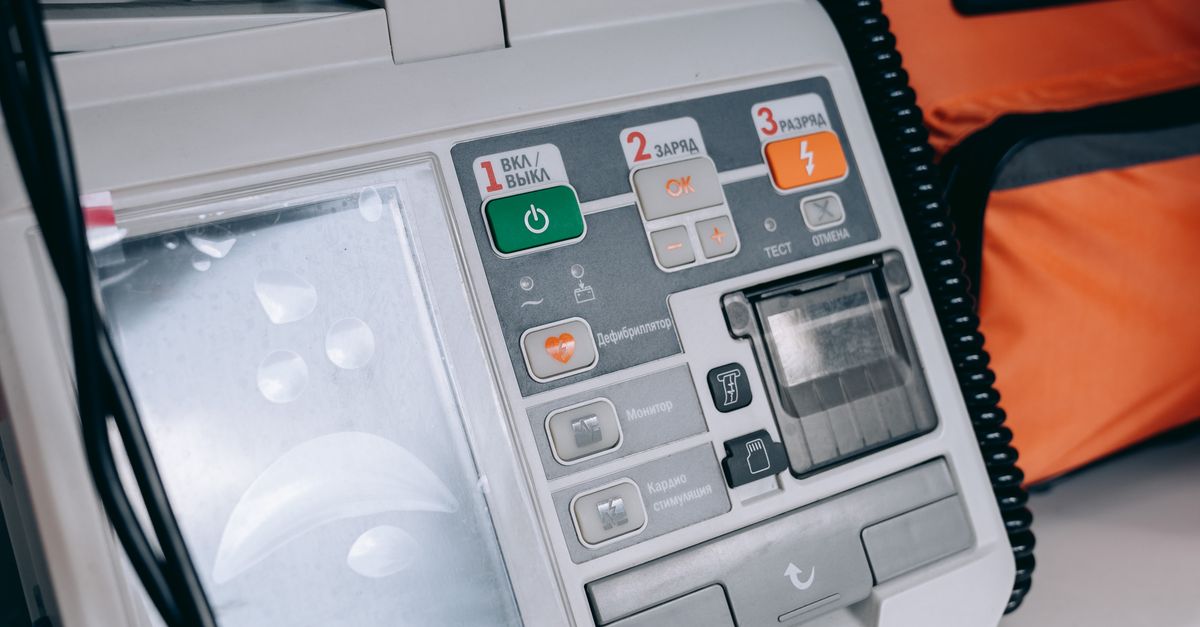
Choosing the right facility for urgent medical needs is crucial.
In the realm of healthcare, knowing where to seek immediate assistance for severe symptoms can be a daunting task. With various care options available, it’s crucial to discern between an emergency room (ER) and urgent care facility. Understanding the differences can lead to timely and appropriate treatment, which is vital in life-threatening situations. This article aims to clarify when to head to the emergency room versus an urgent care center, providing key insights to help navigate these critical decisions in healthcare.
Understanding When to Visit an Emergency Room vs. Urgent Care
Emergency rooms are designed to handle life-threatening conditions and severe medical issues. Symptoms that typically warrant a visit to the ER include chest pain, severe shortness of breath, loss of consciousness, or major trauma. ERs are equipped with advanced diagnostic tools and specialists available around the clock, making them the go-to choice for critical situations. They can deliver immediate interventions that are life-saving, such as surgeries or advanced imaging tests.
On the other hand, urgent care facilities are tailored for non-life-threatening conditions that require prompt attention, such as minor fractures, sprains, or infections. Although they can provide immediate care, they lack the extensive resources of an ER and are generally not equipped to handle severe emergencies. Understanding this distinction is vital; choosing the wrong facility could delay necessary treatment and exacerbate health risks.
In some cases, the lines may blur, but if symptoms are severe enough to cause concern, opting for the emergency room is generally the safer choice. An important rule of thumb is that if you feel uncertain about the severity of your symptoms, it is often better to err on the side of caution and visit the ER.
Key Factors to Consider for Seeking Immediate Medical Attention
When faced with severe symptoms, several factors should guide your decision-making process. Firstly, consider the nature of the symptoms. Sudden and severe pain, particularly in the chest or abdomen, could indicate a life-threatening condition like a heart attack or appendicitis. If the symptoms are rapidly worsening or accompanied by other alarming signs, like confusion or difficulty breathing, it is critical to seek emergency medical care.
Secondly, timing is essential. Emergency rooms operate 24/7 and are geared to handle critical situations promptly, which can be lifesaving. If you are experiencing symptoms that could deteriorate quickly, such as severe allergic reactions or compound fractures, immediate intervention is necessary. On the contrary, for less severe symptoms—like a persistent cough or mild fever—urgent care facilities could suffice, allowing you to access care without the longer wait times often associated with ER visits.
Lastly, consider your personal health history. Individuals with pre-existing conditions, such as heart disease or respiratory issues, should be particularly cautious. If you are unsure about the severity of your symptoms, consult a healthcare provider before making a decision. In such instances, they can guide you on the appropriate pathway to ensure timely intervention, potentially saving your life.
In navigating the complex healthcare landscape, understanding where to seek emergency care for severe symptoms is essential for optimal health outcomes. Emergency rooms are designed to handle critical health issues, while urgent care facilities cater to non-life-threatening conditions. By considering the nature of your symptoms, the urgency of your situation, and your personal health history, you can make informed decisions that prioritize your well-being. Always remember that consulting a qualified healthcare professional can provide clarity when faced with health emergencies, reinforcing the importance of timely and appropriate medical intervention.