
Where Can You Get Dengue Testing in India
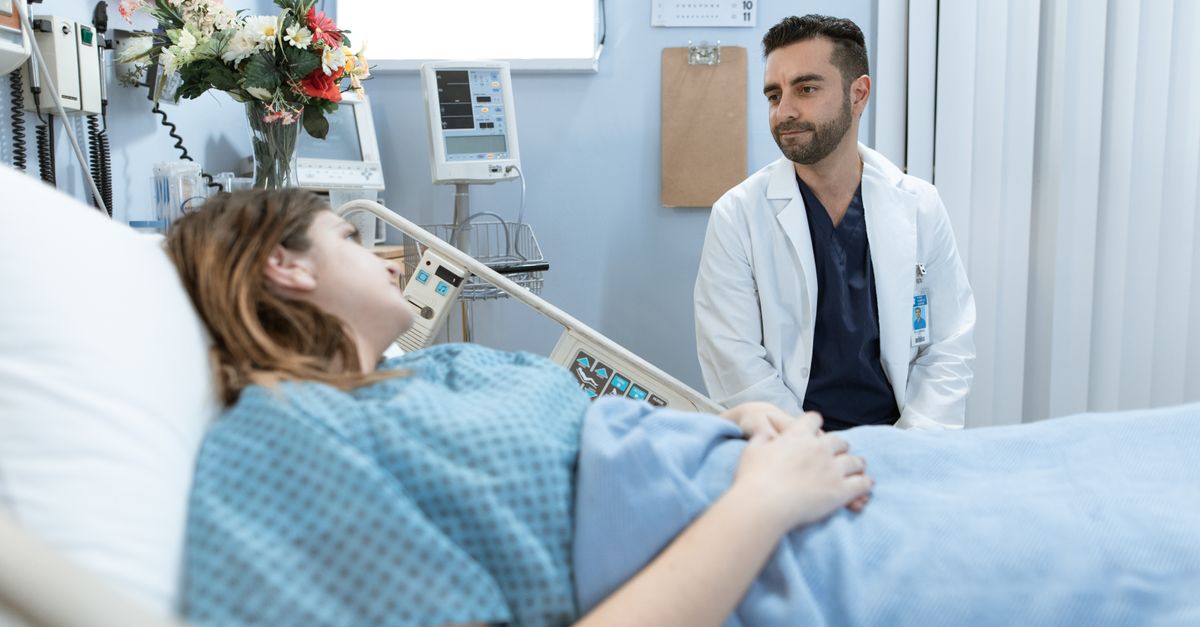
Find reliable dengue testing options across India here.
Dengue fever is a significant public health concern in India, especially during the monsoon season when mosquito populations tend to surge. As cases rise, timely and accurate testing becomes essential for effective management and treatment. This article aims to provide insights into where individuals can access dengue testing across India and how the testing process works, ensuring that everyone understands their options and the next steps should they suspect infection.
Top Locations for Dengue Testing Across India Today
Dengue testing can be accessed through various healthcare facilities across India, including government hospitals, private clinics, and diagnostic laboratories. Major metropolitan regions like Delhi, Mumbai, and Bengaluru have numerous dedicated pathology labs and hospitals equipped to conduct dengue tests. For instance, institutions like All India Institute of Medical Sciences (AIIMS) in Delhi and KEM Hospital in Mumbai are well-regarded for their medical services, including comprehensive dengue testing.
In addition to large hospitals, many small to mid-sized diagnostic labs also offer dengue testing. Chains such as Thyrocare, Dr. Lal PathLabs, and SRL Diagnostics provide convenient testing options across numerous cities. These labs often have facilities for both rapid testing and serological examinations, making it easier for patients to get results in a timely manner. Many of these establishments also provide home collection services, allowing patients to get tested without the need to travel.
Government health initiatives often emphasize the importance of early detection in dengue cases. Local health departments may set up free testing camps during peak transmission periods. In regions where dengue outbreaks are common, community health centers also play a vital role in providing accessible testing options, ensuring that those in remote or underserved areas can receive timely care.
Understanding the Process of Dengue Testing in India
Dengue testing generally begins with a consultation where medical professionals assess the symptoms presented by the patient. Common indicators of dengue fever include high fever, severe headache, joint and muscle pain, and rashes. After an initial evaluation, healthcare providers may recommend specific tests to confirm a dengue infection. The most common tests include the NS1 antigen test and antibody tests (IgM and IgG).
The NS1 antigen test is particularly effective within the first week of symptoms and can provide results in a matter of hours. On the other hand, antibody tests may be conducted later in the illness to confirm the infection. Sample collection typically involves a blood draw, and patients can expect to receive their results within 24 to 48 hours, depending on the laboratory's processing time. Many modern diagnostic centers offer digital access to results, making it easier for patients to stay informed about their health status.
Cost can vary significantly based on the location and type of facility chosen for testing. Government healthcare facilities often offer testing at little to no cost, while private labs may charge a fee that ranges from a few hundred to several thousand rupees. It is advisable for patients to inquire about costs upfront, as well as check whether their health insurance covers dengue testing to avoid unexpected expenses.
As the incidence of dengue fever continues to pose challenges in India, understanding where and how to access testing can make a substantial difference in timely diagnosis and treatment. From government health centers to private laboratories, the options are diverse, catering to various needs and circumstances. By being informed about the testing process, individuals can take proactive steps in safeguarding their health and well-being. Always consult healthcare professionals for guidance on symptoms and testing recommendations.