
When Should You Monitor Blood Pressure Closely
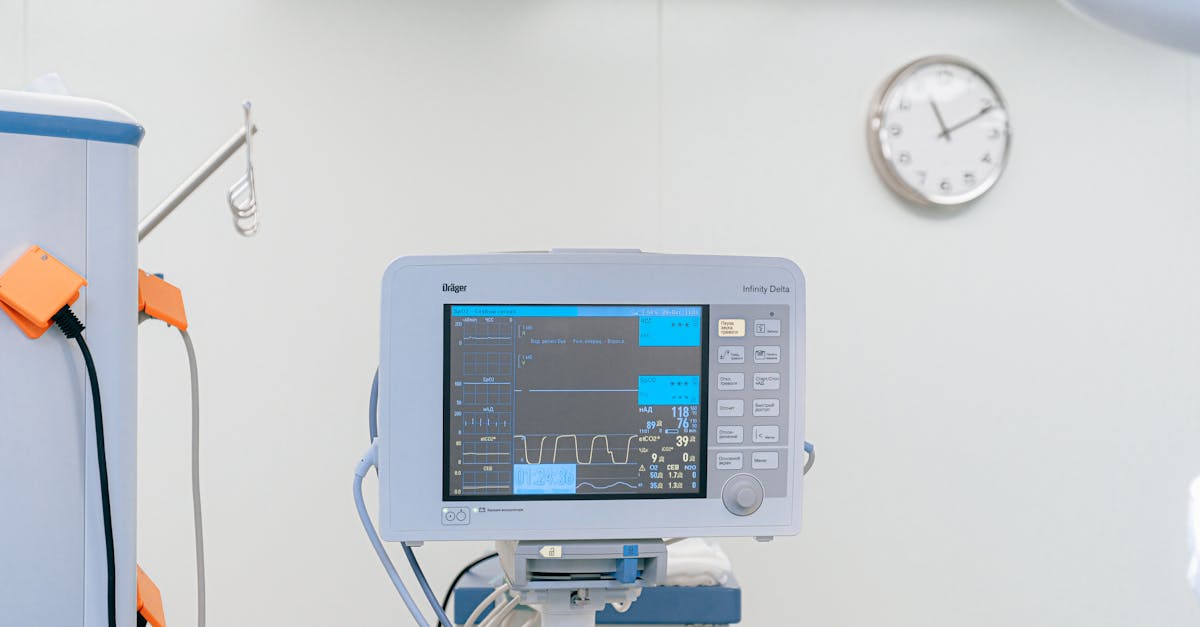
Monitoring blood pressure is crucial during key life events.
Monitoring blood pressure is an essential aspect of maintaining overall health, particularly for individuals at risk of hypertension or related complications. Understanding when to closely monitor blood pressure can significantly impact long-term health outcomes, helping to prevent serious cardiovascular events. This article aims to outline key situations that necessitate vigilant blood pressure monitoring and to shed light on various risk factors associated with elevated blood pressure levels.
Key Situations Requiring Close Blood Pressure Monitoring
There are several situations in which individuals should prioritize close monitoring of their blood pressure. One of the primary scenarios is when individuals have been diagnosed with hypertension. Regular monitoring helps track the effectiveness of prescribed medications and lifestyle changes, ensuring that blood pressure remains within a healthy range. Additionally, fluctuations in blood pressure can indicate complications or the need for adjustments in treatment plans, making it crucial to stay vigilant.
Another significant situation is during periods of stress or major life changes. Events such as moving homes, starting a new job, or experiencing personal loss can introduce stressors that elevate blood pressure. Individuals experiencing heightened stress levels should consider monitoring their blood pressure more frequently to identify any concerning trends. Early detection allows for timely interventions, whether through lifestyle modifications or medical consultations.
Finally, periods of acute illness, such as infections or surgical recovery, warrant close monitoring of blood pressure. Illness can place additional strain on the cardiovascular system, potentially leading to elevated blood pressure levels. Keeping a close eye on blood pressure during these times can help identify potential complications early, allowing healthcare providers to respond appropriately and safeguard overall health.
Understanding Risk Factors for Elevated Blood Pressure Levels
Beyond situational awareness, understanding the risk factors for elevated blood pressure is vital for proactive health management. Key risk factors include age, family history, and lifestyle choices. As individuals age, the likelihood of developing hypertension increases, highlighting the importance of regular monitoring, particularly for those over 40. A familial predisposition to high blood pressure can also raise an individual’s risk, underscoring the need for vigilance even in the absence of symptoms.
Lifestyle factors play a significant role in determining blood pressure levels. Poor diet, particularly one high in sodium and saturated fats, can contribute to hypertension. Similarly, physical inactivity, obesity, and excessive alcohol consumption can exacerbate the condition. Individuals who identify with these lifestyle risk factors should commit to more frequent blood pressure monitoring to mitigate potential health issues. Making informed choices about diet and exercise can be more effective when guided by consistent blood pressure readings.
Lastly, underlying health conditions such as diabetes and kidney disease elevate the risk of hypertension. These conditions often create a complex interplay between various bodily systems, making it essential for individuals to monitor their blood pressure closely. Regular check-ups and consistent monitoring can help identify any concerning trends early, allowing for timely medical intervention and adjustments to treatment plans.
Close monitoring of blood pressure is crucial in various scenarios, particularly for individuals diagnosed with hypertension, during times of stress, or during acute illness. Understanding the risk factors associated with elevated blood pressure can further inform when to be vigilant. Maintaining awareness and seeking regular check-ups can empower individuals to take proactive steps toward better cardiovascular health, ultimately leading to a healthier, longer life. Always consult qualified healthcare professionals for guidance tailored to individual health needs.