
When Should Outdoor Workers Take Hydration Breaks
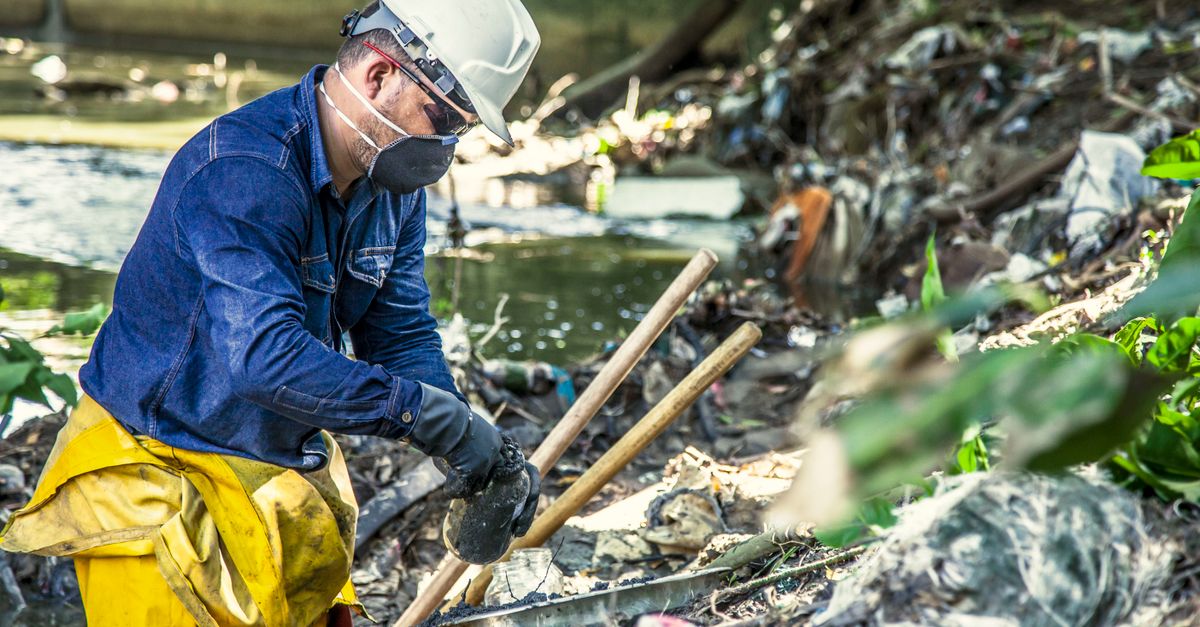
Understanding hydration needs is vital for outdoor workers.
Hydration is a critical component of health and performance, especially for outdoor workers who face unique challenges due to environmental conditions. The risk of dehydration can significantly impact productivity and well-being. Understanding when to take hydration breaks is essential to maintaining optimal health and preventing heat-related illnesses. This article explores key indicators that signal the need for hydration breaks and offers recommended practices for outdoor workers to ensure they stay adequately hydrated.
Key Indicators That Signal the Need for Hydration Breaks
Recognizing the signs of dehydration is vital for outdoor workers, as even mild dehydration can impair physical and mental performance. One of the earliest indicators is thirst; while it is a natural cue, relying solely on this sensation may not be sufficient, especially in hot conditions where workers can lose fluids rapidly. Other physical signs include dry mouth, fatigue, and dizziness, all of which should serve as immediate alerts to take a hydration break.
Environmental factors also play a significant role in determining the need for breaks. High temperatures, humidity levels, and direct sun exposure can exacerbate fluid loss through sweat. Generally, when temperatures exceed 30°C (86°F), outdoor workers are at an increased risk of dehydration. Monitoring the heat index, which combines temperature and humidity, can provide a more comprehensive assessment of potential risks, helping workers gauge when to hydrate.
Additionally, physical exertion should be taken into account. Activities that require prolonged periods of manual labor or intense physical effort can lead to accelerated fluid loss. Workers engaged in heavy lifting, moving materials, or performing repetitive tasks should be particularly vigilant and consider taking hydration breaks at regular intervals, even if they do not feel thirsty. Establishing a routine based on activity levels and environmental conditions can help mitigate the risks of dehydration.
Recommended Hydration Practices for Outdoor Workers
To effectively manage hydration, outdoor workers should adopt structured hydration practices tailored to their specific work environments and tasks. Firstly, establishing a hydration schedule is essential. Workers should aim to drink water at regular intervals, ideally every 15 to 20 minutes, rather than waiting until they feel thirsty. This proactive approach can help maintain fluid balance and mitigate the onset of dehydration symptoms.
In addition to water, incorporating electrolyte-rich drinks can be beneficial, particularly in cases of excessive sweating. These beverages can help replenish lost minerals, improving overall hydration and energy levels. However, workers should be cautious of sugary drinks, which may lead to additional fatigue and do not effectively replace lost fluids. It’s advisable to choose options that contain balanced electrolytes without excessive sugars.
Lastly, education and training about hydration should be a priority for employers of outdoor workers. Workshops or briefings on the importance of hydration, recognizing symptoms of dehydration, and encouraging a culture of hydration can significantly enhance workers' well-being. Providing accessible water stations or portable hydration supplies can also promote consistent drinking habits, ensuring that workers have the resources they need to maintain their hydration throughout the day.
In conclusion, adequate hydration is a crucial aspect of health and safety for outdoor workers, particularly in challenging weather conditions. By recognizing key indicators of dehydration and implementing effective hydration practices, workers can protect their health, enhance their performance, and reduce the risk of heat-related illnesses. Encouraging a proactive approach to hydration not only benefits individual workers but also contributes to a safer, more productive work environment.