
When Does Recovery Begin After Stroke
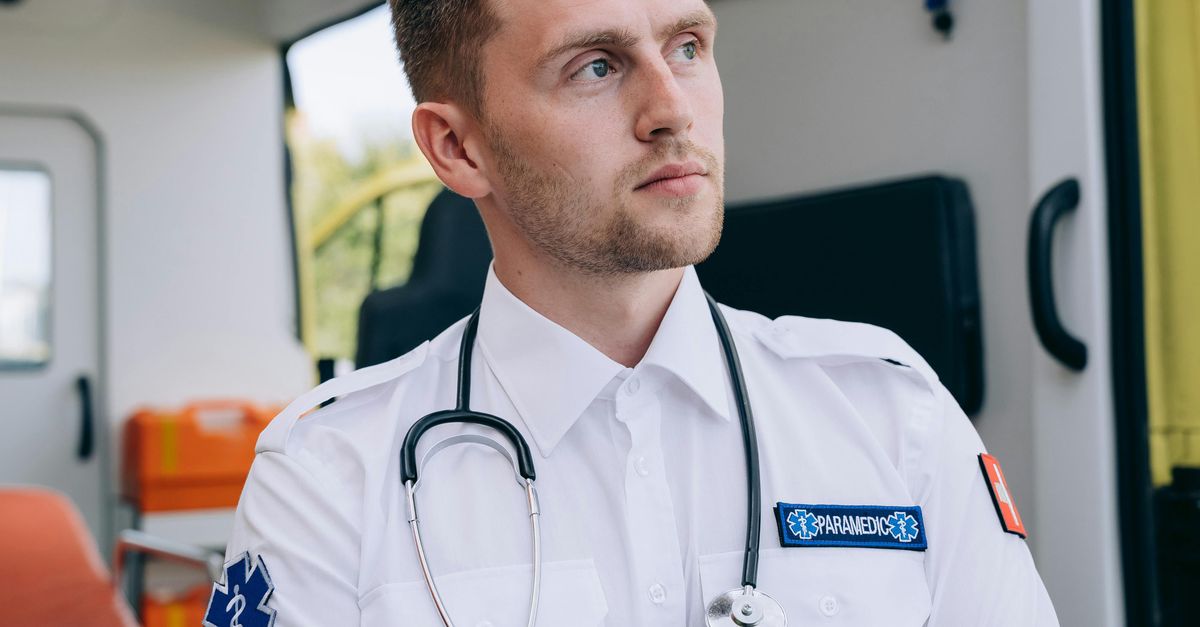
Recovery after a stroke starts sooner than many think.
Stroke, a leading cause of disability worldwide, demands urgent medical attention and a structured recovery process. Understanding when recovery begins after a stroke can provide hope and clarity for patients and their families. This article explores the timeline of stroke recovery and the key factors that influence this complex journey.
Understanding the Timeline of Stroke Recovery Process
Recovery from a stroke is not a linear process; rather, it unfolds in stages, beginning almost immediately after the event. The first 24 to 48 hours post-stroke are critical for medical intervention, focusing on stabilizing the patient and minimizing brain damage. Early rehabilitation efforts may begin in this acute care phase, often involving physical therapy to stimulate movement in affected limbs. However, significant recovery typically starts in the days following stabilization, as the brain begins to heal and adapt.
As patients transition from the hospital to rehabilitation, the timeline for recovery can vary widely. Initial improvements often occur within the first three to six months, a period during which patients may experience notable gains in mobility, speech, and daily functioning. This is particularly true for individuals engaged in intensive therapy, as the brain is most adaptable at this stage. Neuroplasticity, the brain's ability to reorganize itself, plays a vital role during this phase, allowing for compensatory strategies and new skill acquisition.
Long-term recovery may continue for years after the stroke, but the rate of improvement typically slows down after the first year. While some patients see gradual enhancements in function over time, others might plateau. Ongoing therapy and support are crucial for maintaining gains and fostering the best possible outcomes. Family involvement and emotional support can significantly influence motivation and participation in rehabilitation, essential elements in the recovery timeline.
Key Factors Influencing Recovery After a Stroke
Several factors significantly influence the trajectory of stroke recovery. One of the most critical is the type and severity of the stroke itself; ischemic strokes, caused by blood clots, may have different recovery patterns compared to hemorrhagic strokes, which involve bleeding in the brain. The location of the stroke can also impact which functions are affected, making some recoveries more challenging than others. Understanding these variables can help healthcare professionals tailor rehabilitation strategies to meet individual needs.
Age is another pivotal factor in recovery. Younger patients often benefit from better neuroplasticity, resulting in a potentially quicker recovery compared to older individuals. However, age-related health conditions and comorbidities can complicate this process. Additionally, pre-existing health conditions, such as diabetes or hypertension, can influence recovery outcomes by affecting overall health and response to rehabilitation efforts. Monitoring these conditions is essential for optimizing recovery strategies.
Lastly, social support and psychological well-being play crucial roles in the recovery process. Emotional support from family and friends can aid motivation and adherence to rehabilitation regimens. Mental health conditions such as depression and anxiety can hinder recovery, making it important for healthcare providers to address these issues within a comprehensive care plan. Engaging patients in goal-setting and rehabilitation activities can foster a sense of agency, contributing positively to their recovery journey.
Recovery after a stroke is a multifaceted process influenced by various factors, including the type of stroke, age, health conditions, and emotional support. Understanding when recovery begins and recognizing the elements that can aid or hinder progress offers valuable insights for patients and their families. Consulting healthcare professionals throughout this journey is vital to ensure that individuals receive the appropriate care and support tailored to their unique circumstances.