
When Does Platelet Count Become Critical
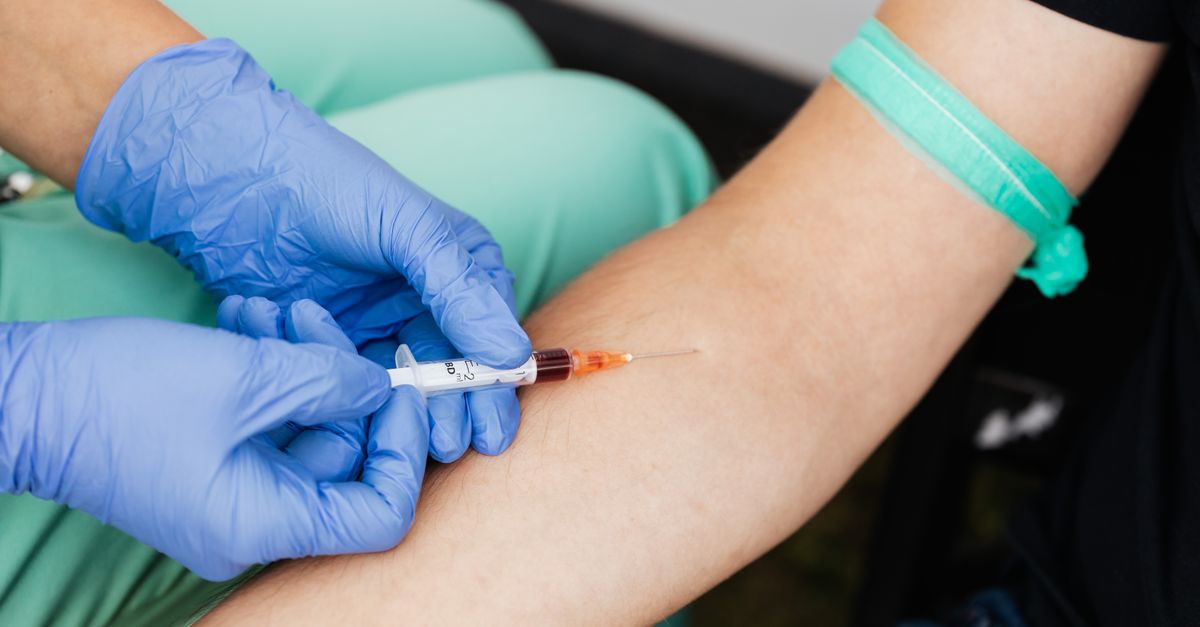
Understanding critical platelet levels is vital for health.
Platelets are a crucial component of our blood, playing a vital role in clotting and wound healing. Understanding when platelet levels become critical is essential for both healthcare professionals and patients. A normal platelet count ranges from 150,000 to 450,000 platelets per microliter of blood. However, when counts drop below this threshold, it can lead to significant health risks. This article delves into the various thresholds for critical platelet levels and the implications these levels may have on health and treatment.
Understanding the Thresholds for Critical Platelet Levels
Platelet counts are categorized into different levels based on their clinical significance. Mild thrombocytopenia is generally defined as a platelet count between 100,000 and 150,000, while moderate thrombocytopenia ranges from 50,000 to 100,000 platelets per microliter. Severe thrombocytopenia is classified as a count below 50,000. At these levels, the risk of bleeding increases, making it crucial for healthcare providers to monitor patients closely. A count below 20,000 is particularly alarming and is often deemed critical, as spontaneous bleeding can occur even without trauma.
The causes of low platelet counts can vary widely, including bone marrow disorders, autoimmune diseases, and certain medications. For instance, conditions like aplastic anemia or leukemia can lead to a dangerously low platelet count, necessitating immediate medical intervention. It's also important to consider that individual factors, such as age and overall health, may influence how a patient responds to low platelet counts. Therefore, comprehensive assessments are essential in determining the appropriate course of action.
Detection of low platelet counts typically involves a complete blood count (CBC) test. Regular monitoring is advised for individuals at risk, such as those undergoing chemotherapy or with known blood disorders. Understanding these thresholds can empower patients and caregivers to recognize when to seek medical help, thereby fostering timely intervention and potentially mitigating serious complications.
Implications of Low Platelet Counts on Health and Treatment
Low platelet counts can have serious implications for health, particularly concerning the risk of bleeding. Patients with thrombocytopenia may experience symptoms such as easy bruising, prolonged bleeding from cuts, or spontaneous nosebleeds. In severe cases, the risk of internal bleeding increases, which may necessitate hospitalization. The consequences of low platelet counts underscore the importance of early detection and intervention, as well as the need for tailored treatment plans based on individual circumstances.
Treatment options for low platelet counts can vary depending on the underlying cause. For instance, if medications are the culprit, discontinuing or adjusting the dosage may resolve the issue. In some cases, platelet transfusions may be necessary to quickly elevate platelet levels, especially in preparation for surgical procedures. Healthcare professionals may also consider medications that stimulate platelet production in the bone marrow, such as thrombopoietin receptor agonists. However, each treatment plan should be nuanced and take into account the patient's overall health and specific condition.
Moreover, lifestyle changes can also play a supportive role in managing low platelet levels. Nutritional support, including vitamins like B12 and folate, may bolster overall blood health. Additionally, avoiding certain medications that can exacerbate thrombocytopenia, such as non-steroidal anti-inflammatory drugs (NSAIDs), can be crucial. Ultimately, a multidisciplinary approach involving hematologists and primary care physicians is essential to devise an effective management strategy, emphasizing the importance of patient education and active participation in health decisions.
In conclusion, recognizing when platelet counts become critical is vital in preventing serious health consequences. With thresholds clearly defined, healthcare professionals and patients can work together to monitor and manage platelet levels effectively. Understanding the implications of low platelet counts not only aids in timely interventions but also fosters informed discussions about treatment options. As healthcare continues to evolve, ongoing education and awareness will remain key to navigating the complexities surrounding platelet health.