
When Does Heart Disease Become Life-Threatening
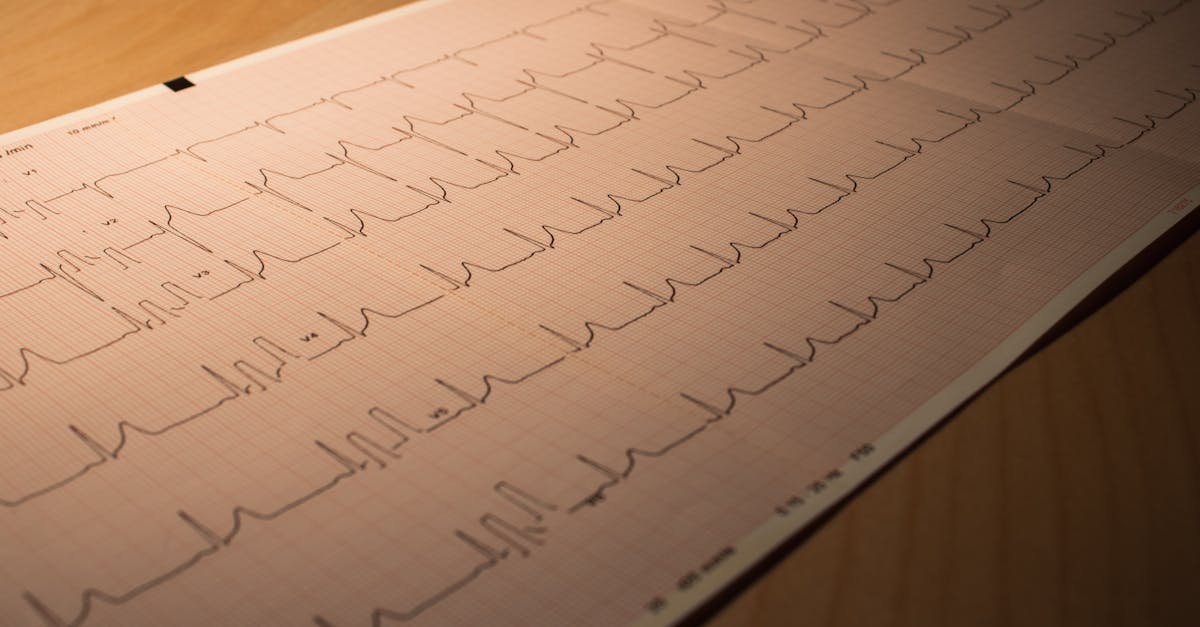
Heart disease can escalate quickly; recognizing warning signs is crucial.
Heart disease remains one of the leading causes of mortality globally, affecting millions of lives across various demographics. Understanding when heart disease transitions from a manageable condition to a life-threatening state is critical for both patients and healthcare professionals. Early recognition of risk factors and symptoms can lead to timely intervention and potentially life-saving measures. In this article, we will explore the stages of heart disease and the warning signs that indicate a condition may become life-threatening.
Understanding the Stages of Heart Disease and Their Risks
Heart disease can be categorized into several stages, beginning with risk factors that may not present any immediate symptoms. These stage one factors include hypertension, high cholesterol, and lifestyle choices such as poor diet and lack of exercise. At this point, an individual may not even be aware that they are at risk. Regular check-ups and screenings are essential during this phase to monitor heart health and catch potential issues early. Lifestyle modifications can often mitigate these risks significantly.
As heart disease progresses, it may evolve into more serious conditions, such as coronary artery disease, heart failure, or arrhythmias. Stage two often involves symptoms like chest pain, shortness of breath, or fatigue that are indicators of underlying heart problems. At this stage, individuals are advised to consult healthcare providers for appropriate diagnosis and management strategies. Ignoring these symptoms can lead to further complications, including heart attacks or strokes.
Finally, in the advanced stages of heart disease, the condition can become life-threatening. This phase typically involves significant impairment of heart function, leading to severe manifestations such as heart failure, cardiac arrest, or sudden death. At this point, the prognosis can be poor if immediate medical attention is not sought. Understanding these stages can empower individuals to take proactive measures in managing their heart health effectively.
Key Indicators That Signal Life-Threatening Conditions
Recognizing key indicators that heart disease may have turned life-threatening is crucial for prompt intervention. One of the most alarming signs is acute chest pain or discomfort, which may radiate to the arms, jaw, or back. This symptom could signify a heart attack and demands immediate medical attention. Other critical warning signs include severe shortness of breath, especially when at rest or during minimal physical activity, indicating that the heart is struggling to supply the body with adequate blood and oxygen.
Another significant indicator of a life-threatening situation is the presence of arrhythmias, which are irregular heartbeats that can lead to palpitations, dizziness, or even fainting. While some arrhythmias may be benign, others can be life-threatening, leading to cardiac arrest. If these symptoms are experienced, it is imperative to seek emergency care. The risk of sudden cardiac events increases in individuals with known heart conditions, making awareness of these symptoms even more vital.
Lastly, significant swelling in the legs, ankles, or abdomen, known as edema, can indicate that the heart is not effectively pumping blood. This symptom often accompanies heart failure and signals that immediate medical evaluation is necessary. Individuals experiencing these indicators should not ignore them, as early intervention can be a lifesaver. Recognizing these signs and acting promptly can make the difference between life and death.
Understanding the distinction between manageable heart disease and life-threatening conditions is essential for prevention and timely intervention. By recognizing the stages of heart disease and being vigilant about the signs and symptoms, individuals can take proactive steps toward safeguarding their heart health. Regular check-ups, lifestyle modifications, and immediate attention to alarming symptoms are crucial in managing heart disease effectively. Always consult qualified healthcare professionals for personalized advice and treatment options to ensure the best outcomes.