
When Does Fatty Liver Become Serious
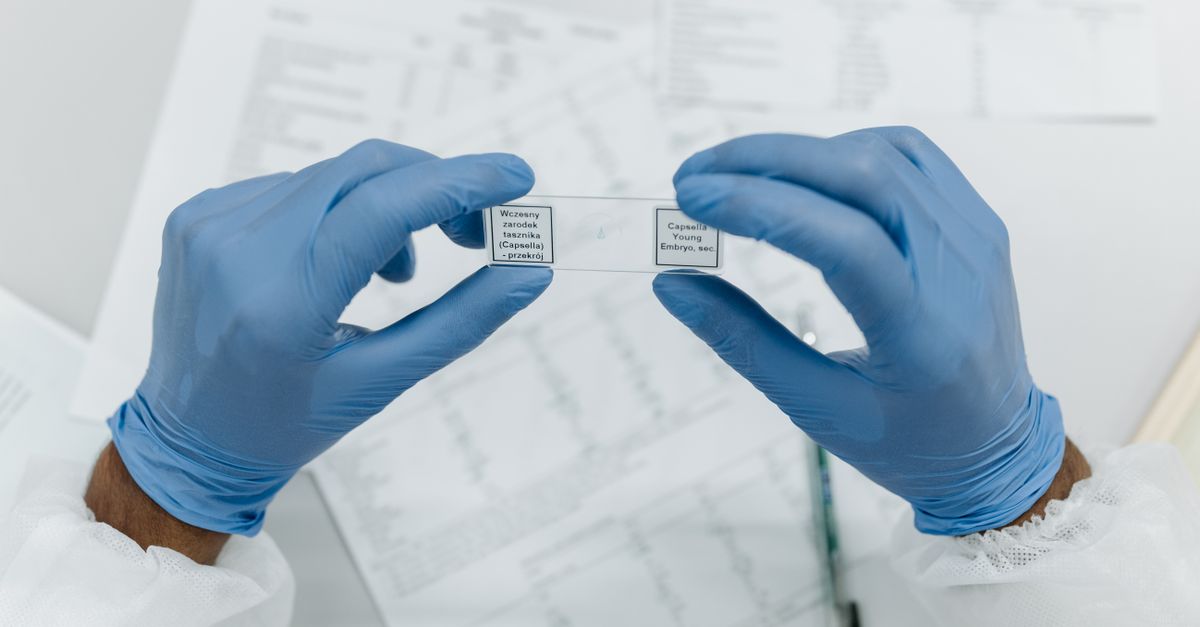
Understanding when fatty liver disease becomes a serious concern.
Fatty liver disease, also known as hepatic steatosis, has become a growing concern worldwide, particularly in countries with rising obesity rates. While the condition often starts as a benign accumulation of fat in liver cells, it can progress to more serious health issues. Understanding when fatty liver becomes a serious threat is crucial for both patients and healthcare providers. This article explores the stages of fatty liver disease and the key indicators that suggest a shift towards serious health complications.
Understanding the Progression of Fatty Liver Disease Risk
Fatty liver disease is generally divided into two main categories: non-alcoholic fatty liver disease (NAFLD) and alcoholic liver disease (ALD). NAFLD is more prevalent globally, often associated with obesity, diabetes, and metabolic syndrome. Initially, the disease may present with minimal symptoms, leading many individuals to overlook its existence. However, as fatty deposits continue to accumulate, the risk for more serious liver conditions increases significantly.
The progression of fatty liver can typically follow three stages: simple steatosis, steatohepatitis, and cirrhosis. Simple steatosis is the initial stage where fat accumulates without causing inflammation. While it is often reversible with lifestyle changes, prolonged neglect can lead to non-alcoholic steatohepatitis (NASH), which is characterized by inflammation and liver cell damage. If left untreated, NASH can progress to cirrhosis, where normal liver tissue is replaced by scar tissue, severely compromising liver function.
It is important to note that the transition between these stages may vary among individuals and can be influenced by factors such as genetics, lifestyle, and underlying health conditions. Regular monitoring and early intervention are vital to prevent the disease from advancing to more serious stages that can lead to liver failure or even liver cancer.
Key Signs That Indicate Serious Fatty Liver Conditions
Patients and healthcare professionals should be aware of specific signs that may indicate a progression to serious liver conditions. Symptoms such as persistent fatigue, unexplained weight loss, and abdominal discomfort can serve as early warning signals. More advanced symptoms may include jaundice (yellowing of the skin and eyes), swelling in the abdomen (ascites), or severe itching. Each of these symptoms can indicate liver dysfunction and should prompt immediate medical evaluation.
Laboratory tests, including liver function tests, can help quantify the severity of liver impairment. Elevated levels of liver enzymes such as AST and ALT can indicate liver inflammation, while imaging studies like ultrasound or MRI can visualize fat accumulation and assess liver scarring. Healthcare providers might also consider a liver biopsy to confirm the extent of damage and determine the most appropriate management strategy.
Beyond physical symptoms and lab findings, individuals with risk factors such as obesity, Type 2 diabetes, and chronic alcohol consumption are at a higher risk for serious complications. Early identification and intervention can mitigate these risks, emphasizing the importance of regular screenings and check-ups for at-risk populations.
As fatty liver disease continues to rise globally, understanding when it becomes serious is essential for maintaining liver health. By recognizing the progression of the disease and its key warning signs, individuals and healthcare providers can work together to implement timely interventions. Awareness and education surrounding fatty liver disease will play a critical role in reducing its potential impact on overall health and well-being. Consulting with healthcare professionals for personalized advice and regular monitoring is essential in managing this condition effectively.