
What Is the Platelet Count in Dengue
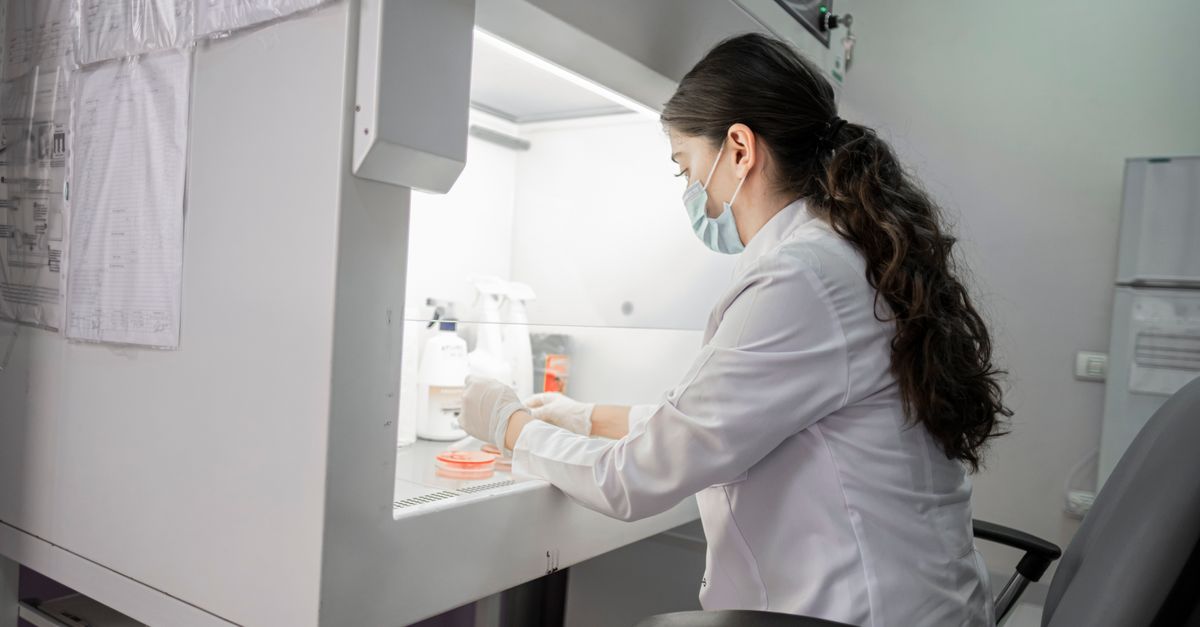
Understanding platelet counts is crucial in dengue management.
Dengue fever, transmitted primarily by the Aedes mosquito, poses a significant public health challenge, especially in tropical and subtropical regions. One of the crucial parameters assessed in dengue patients is the platelet count, which can provide vital insights into the disease's severity and potential complications. This article delves into the importance of understanding platelet counts in the context of dengue fever, shedding light on what constitutes normal and critical levels.
Understanding the Significance of Platelet Count in Dengue
Platelets, or thrombocytes, are essential components of the blood that play a crucial role in clotting and wound healing. In the context of dengue, monitoring platelet count becomes vital as the virus can lead to a reduction in platelet levels, known as thrombocytopenia. A significant drop in platelets can indicate severe forms of dengue, including dengue hemorrhagic fever and dengue shock syndrome. Medical professionals often track platelet counts closely, as changes in the count can signal the progression of the disease and guide treatment decisions.
When dengue virus infects an individual, the immune response can lead to the destruction of platelets. This phenomenon, coupled with the potential for increased bleeding, highlights the importance of regular monitoring of platelet levels. The decline in platelet count often correlates with other clinical symptoms such as bleeding tendencies and organ involvement, making it an essential parameter in assessing a patient's condition.
Healthcare providers utilize platelet counts alongside other clinical indicators to determine the best course of action for patients. For example, when platelet counts fall below a certain threshold, doctors may recommend hospitalization for closer monitoring and supportive care. Thus, understanding the significance of platelet counts in dengue is vital for timely and effective medical intervention.
Normal vs. Critical Platelet Levels: A Dengue Overview
In healthy individuals, normal platelet counts range from approximately 150,000 to 450,000 platelets per microliter of blood. However, during a dengue infection, these levels can fluctuate significantly. Mild cases of dengue might exhibit a moderate drop in platelet counts, typically ranging from 100,000 to 150,000, while severe cases may show counts below 100,000, which is often a cause for concern.
Critical platelet levels, particularly those below 50,000 platelets per microliter, can be indicative of severe dengue. At this stage, patients face heightened risks of bleeding, organ impairment, and potentially life-threatening complications. The World Health Organization (WHO) delineates these thresholds for healthcare professionals, underscoring the urgency for intervention when counts reach such critical levels.
Regular monitoring of platelet counts is essential not only for early detection of severe dengue but also for evaluating recovery. As the illness progresses and symptoms improve, platelet counts typically begin to rise. Healthcare professionals look for this upward trend as a positive sign of recovery, often using it to inform discharge decisions and further care plans. Understanding the spectrum of platelet levels is crucial for effective management and patient outcomes in dengue cases.
In conclusion, the platelet count serves as a vital indicator in the assessment and management of dengue fever. Understanding the normal and critical levels of platelet counts can help healthcare professionals make informed decisions and provide timely care to patients. While a drop in platelet count can signal severe complications, effective monitoring and intervention can mitigate risks and improve patient outcomes. As dengue continues to affect populations worldwide, awareness of its implications on platelet health remains crucial. Always consult qualified healthcare professionals for accurate diagnosis and treatment.