
What is pre-existing disease coverage and how it impacts your policy
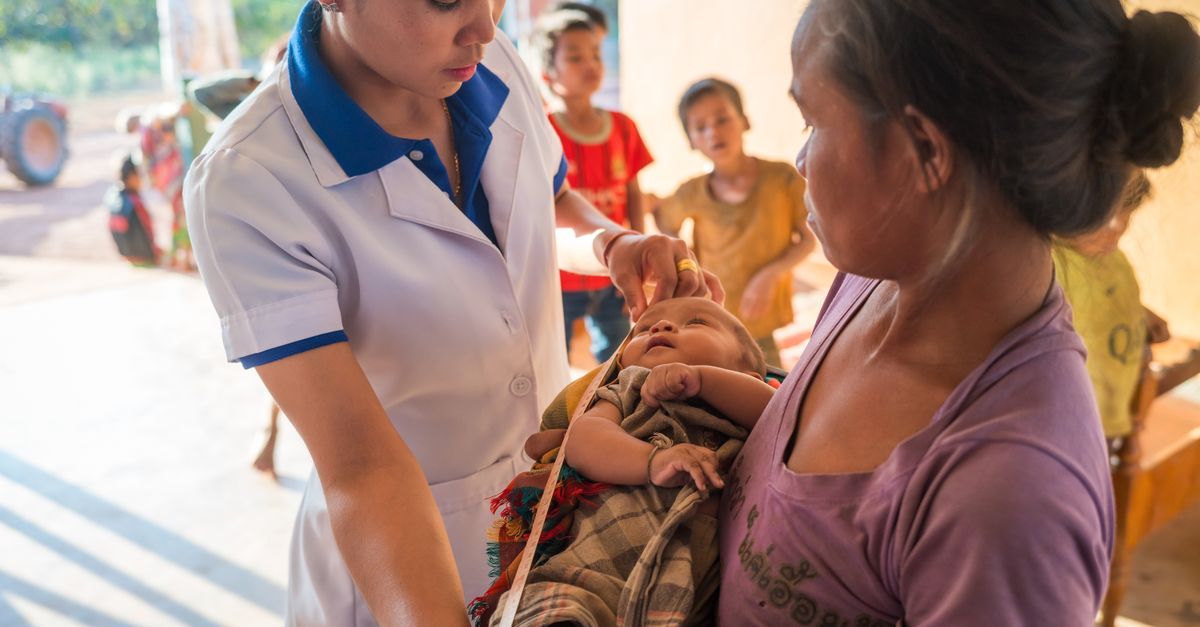
Understanding pre-existing disease coverage is crucial for policyholders.
In an ever-evolving healthcare landscape, understanding the nuances of health insurance is crucial for individuals seeking financial protection against medical expenses. One significant aspect of this is pre-existing disease coverage, which refers to how health insurance policies handle conditions that a person has been diagnosed with prior to the start of their policy. This article aims to demystify pre-existing disease coverage and its implications on health insurance policies, particularly in the Indian context.
Understanding Pre-Existing Disease Coverage in Health Policies
Pre-existing disease coverage is a term used to describe how health insurance companies address conditions that existed before the individual acquired the policy. In many cases, these conditions can include chronic diseases such as diabetes, hypertension, or any other health issues that were diagnosed before taking out the insurance policy. Understanding how these conditions are defined and treated by insurers is vital for policyholders, as it directly influences their ability to claim benefits when needed.
Typically, health insurance policies will have a waiting period for pre-existing conditions. This means that if a policyholder requires treatment for a pre-existing condition within a specified time frame after the policy is initiated, the insurer may not cover the associated costs. The duration of this waiting period can vary significantly between different policies and insurers, ranging from a few months to several years. Therefore, it is essential for individuals to carefully review the terms of their health insurance to fully comprehend the implications of pre-existing condition coverage.
Additionally, it's worth noting that regulations governing pre-existing disease coverage can differ from one country to another. In India, for instance, the Insurance Regulatory and Development Authority of India (IRDAI) has mandated that insurers clearly state their terms regarding pre-existing conditions in their policy documents. This transparency is intended to enable potential policyholders to make informed decisions about their healthcare coverage options.
How Pre-Existing Conditions Affect Your Insurance Options
The presence of pre-existing conditions can significantly narrow the range of health insurance options available to an individual. In many cases, insurers may impose stricter underwriting rules or higher premiums for applicants with such conditions. This can discourage individuals from seeking comprehensive coverage, leaving them vulnerable in times of need. Consequently, it is essential for people with pre-existing conditions to explore multiple insurance policies and compare the terms and conditions, ensuring they choose an option that best serves their healthcare needs.
Furthermore, the impact of pre-existing conditions extends beyond just the initial purchase of a health insurance policy. Individuals may find that their conditions affect their ability to switch insurers or upgrade their coverage later on. Insurers often perform detailed health assessments and may deny coverage or charge higher premiums based on existing health issues. As a result, it becomes vital for individuals to maintain their health and manage any existing conditions to avoid complications when dealing with health insurance in the future.
Despite these challenges, some insurers offer special plans or riders for individuals with pre-existing diseases. These specialized products may come with higher premiums but can provide more extensive coverage for chronic conditions. Understanding these options can empower policyholders to make informed choices and perhaps negotiate better terms that consider their unique health situations.
Navigating the complexities of health insurance can be daunting, especially when pre-existing conditions come into play. Understanding the intricacies of pre-existing disease coverage is vital for individuals seeking to secure adequate financial protection against healthcare costs. By being informed about the implications of pre-existing conditions on insurance options, policyholders can make educated decisions that not only safeguard their health but also their financial well-being. As always, individuals are encouraged to consult with qualified insurance professionals to explore the best options tailored to their circumstances.