
What Is Oxygen Therapy in Chronic Obstructive Pulmonary Disease
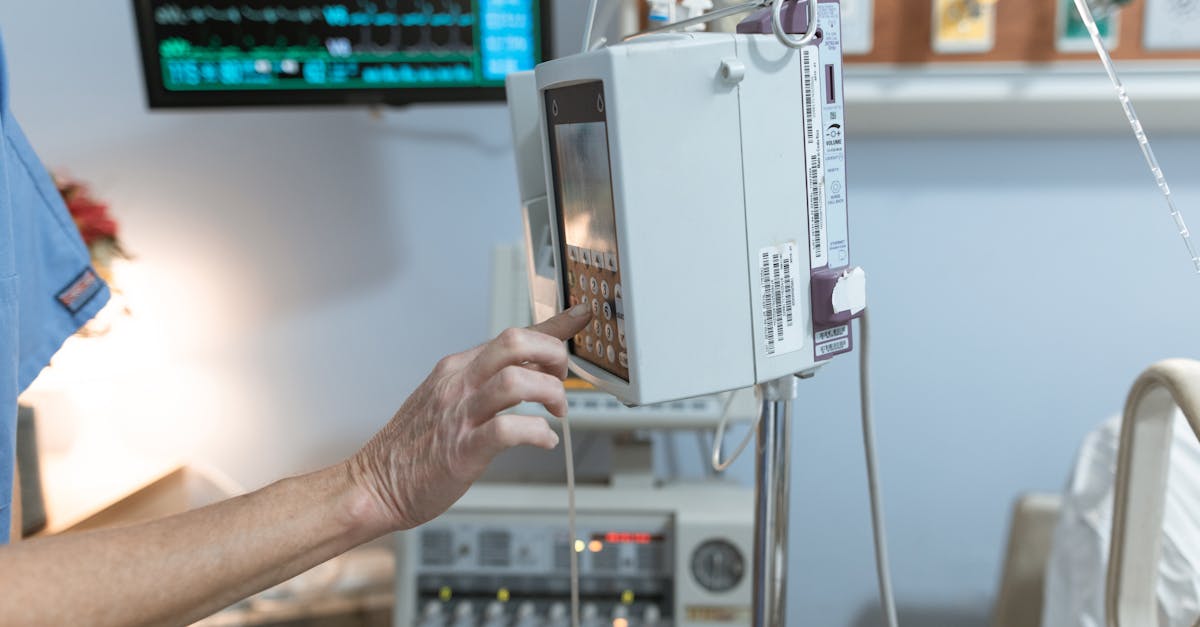
Oxygen therapy can significantly improve quality of life for COPD patients.
Oxygen therapy is a pivotal component in the management of Chronic Obstructive Pulmonary Disease (COPD), a progressive lung condition that affects millions worldwide. For those living with COPD, the ability to breathe comfortably can often be compromised due to obstructed airflow. This article will explore the essential aspects of oxygen therapy for COPD patients, its benefits, and considerations to keep in mind.
Understanding Oxygen Therapy for COPD Patients' Needs
Oxygen therapy involves the administration of supplemental oxygen to individuals who have low levels of oxygen in their blood. In the context of COPD, this therapy is crucial as it helps alleviate symptoms associated with hypoxemia, a condition where the oxygen saturation in the bloodstream falls below normal levels. For patients suffering from COPD, achieving adequate oxygen levels is essential not only for short-term relief but also for long-term health outcomes.
There are various methods of delivering oxygen therapy to COPD patients, including nasal cannulas, face masks, and portable oxygen tanks. The choice of method often depends on the severity of the disease and the patient's specific needs. Healthcare providers typically evaluate a patient's oxygen levels through tests like arterial blood gas measurements or pulse oximetry to determine the necessity and type of oxygen therapy required.
Despite its effectiveness, oxygen therapy requires careful monitoring and regular follow-ups. Patients must be educated about the safe use of oxygen equipment and the importance of adhering to prescribed oxygen levels. This understanding can significantly improve their quality of life while mitigating potential risks associated with improper usage.
Benefits and Considerations of Oxygen Therapy in COPD
The primary benefit of oxygen therapy for COPD patients is the enhancement of their quality of life. By ensuring sufficient oxygen levels, patients often experience reduced breathlessness, increased exercise capacity, and improved cognitive function. These enhancements can facilitate better engagement in daily activities and social interactions, allowing patients to maintain a more active lifestyle.
Moreover, oxygen therapy has been shown to extend the survival of patients with severe COPD who experience chronic hypoxemia. Clinical studies indicate that long-term oxygen therapy can prolong life by addressing the underlying issue of inadequate oxygen in the bloodstream. This potential for increased longevity is a significant consideration for both patients and healthcare providers when discussing treatment options.
However, oxygen therapy is not without its considerations and risks. Patients must be cautious about potential safety hazards, such as fire risks associated with oxygen use, and they should be educated about maintaining their equipment. Additionally, some patients may experience psychological effects related to their dependence on supplemental oxygen. This multifaceted nature of oxygen therapy underscores the importance of comprehensive patient education and ongoing support from healthcare professionals.
In conclusion, oxygen therapy serves as a vital resource for individuals managing Chronic Obstructive Pulmonary Disease. By enhancing oxygen levels and improving overall quality of life, this therapy plays a crucial role in the daily lives of many patients. Nonetheless, careful consideration and education regarding its use are essential to maximize benefits while minimizing risks. As research continues to evolve, ongoing dialogue between patients and healthcare providers will remain pivotal in optimizing the management of COPD through oxygen therapy.